mobile menu button

1967-1976

Life of History

1967 (Age 41)

1968 (Age 42)

1969 (Age 43)

1970 (Age 44)

1971 (Age 45)

1972 (Age 46)

1973 (Age 47)

1974 (Age 48)

1975 (Age 49)

1976 (Age 50)

May 16, 1967

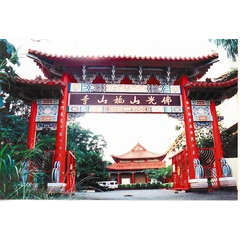
Founding Fo Guang Shan in Dashu Township, Kaohsiung

Venerable Master Hsing Yun founded Fo Guang Shan, establishing the Four Objectives: To propagate the Dharma through culture, to nurture talent through education, to benefit society through charity, and to purify hearts and minds through spiritual cultivation. He set forth the working motto of "Giving others faith, giving others joy, giving others hope, and giving others convenience," and composed the "Buddha's Light Verse" as a daily guiding principle: "May kindness, compassion, joy, and equanimity pervade all worlds; May they cherish and build affinities to benefit all beings; May Chan, Pure Land, and Precepts inspire equality and patience; May their humility and gratitude give rise to great vows." He devoted himself to promoting Humanistic Buddhism and personally composed Fo Guang Shan Pure Regulations, integrating ancient and modern practices, establishing regulations and systems, and leading Buddhism into a new milestone of modernization.

July 12, 1967

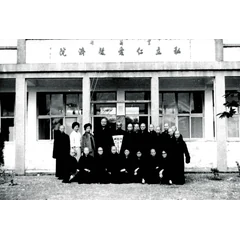
Taking over the "Private Ren'ai Relief Academy" (now Lanyang Ren Ai Senior Citizen's Home)

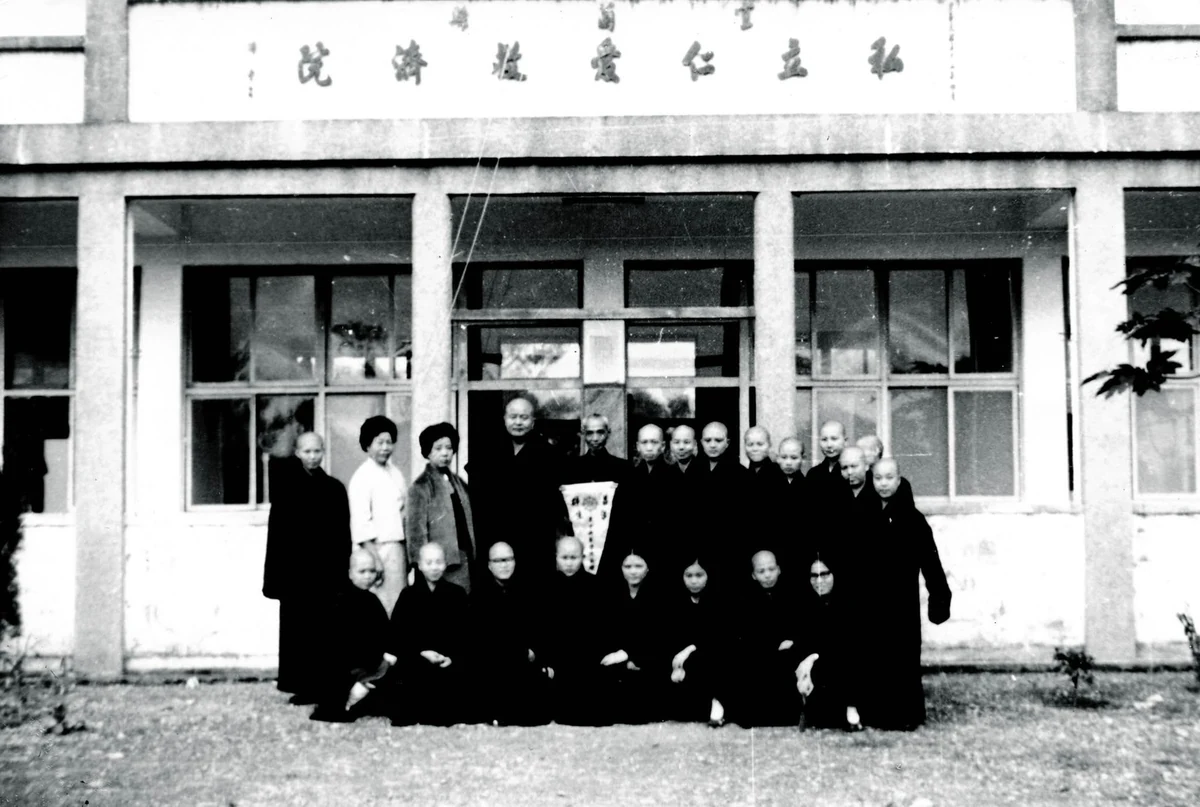
In 1967, Venerable Master Hsing Yun took over the Christian "Ren'ai Relief Academy" (later called Lanyang Ren Ai Senior Citizen's Home). It was originally founded in 1962 by Mr. Tung Hung-lieh, a Christian. Due to financial difficulties, Yilan County Magistrate Lin Tsai-tien asked Venerable Master to take it over, with Mrs. Yu Chien Yu-chan serving as director.

In 1971, Eastern Buddhist College graduates Venerables Yi Jung and Shao Chueh volunteered to serve there, dedicating themselves for decades without retreat, this bodhisattva aspiration is truly difficult for anyone but a true bodhisattva.

December 15, 1968

Completion of the Eastern Buddhist College

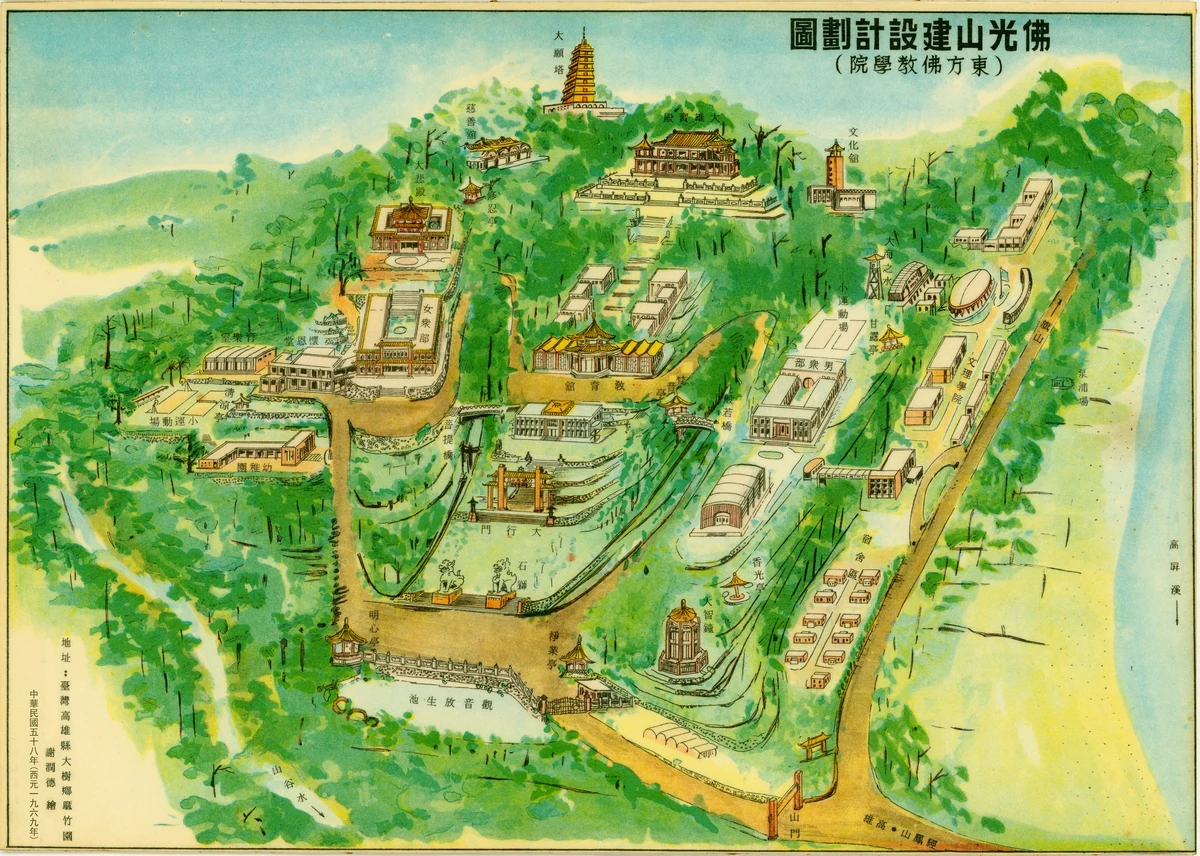
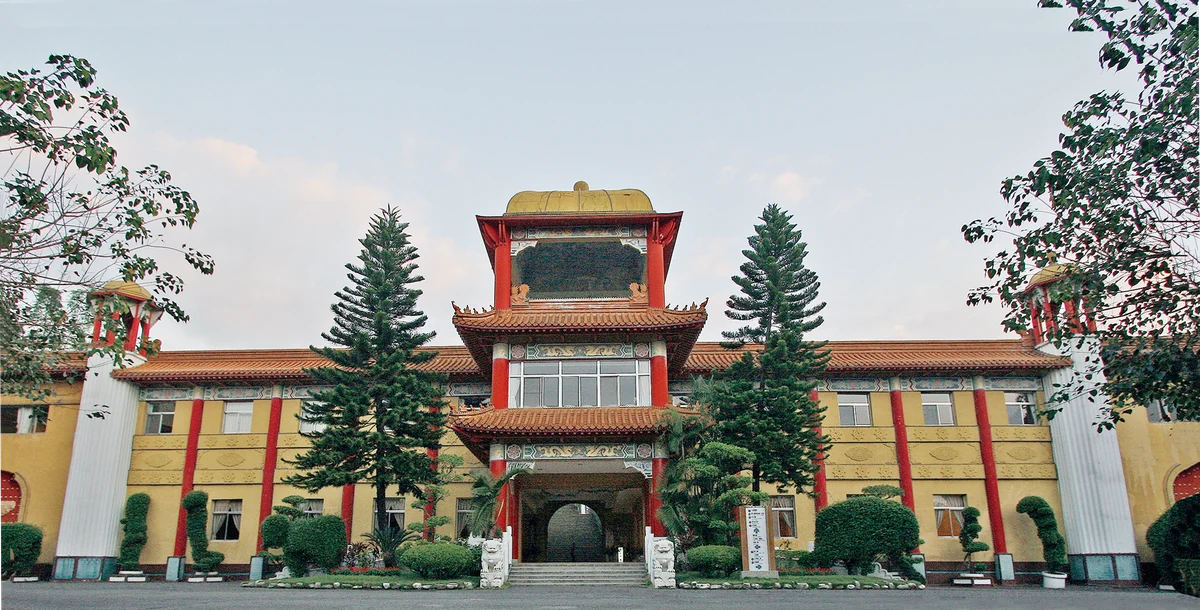
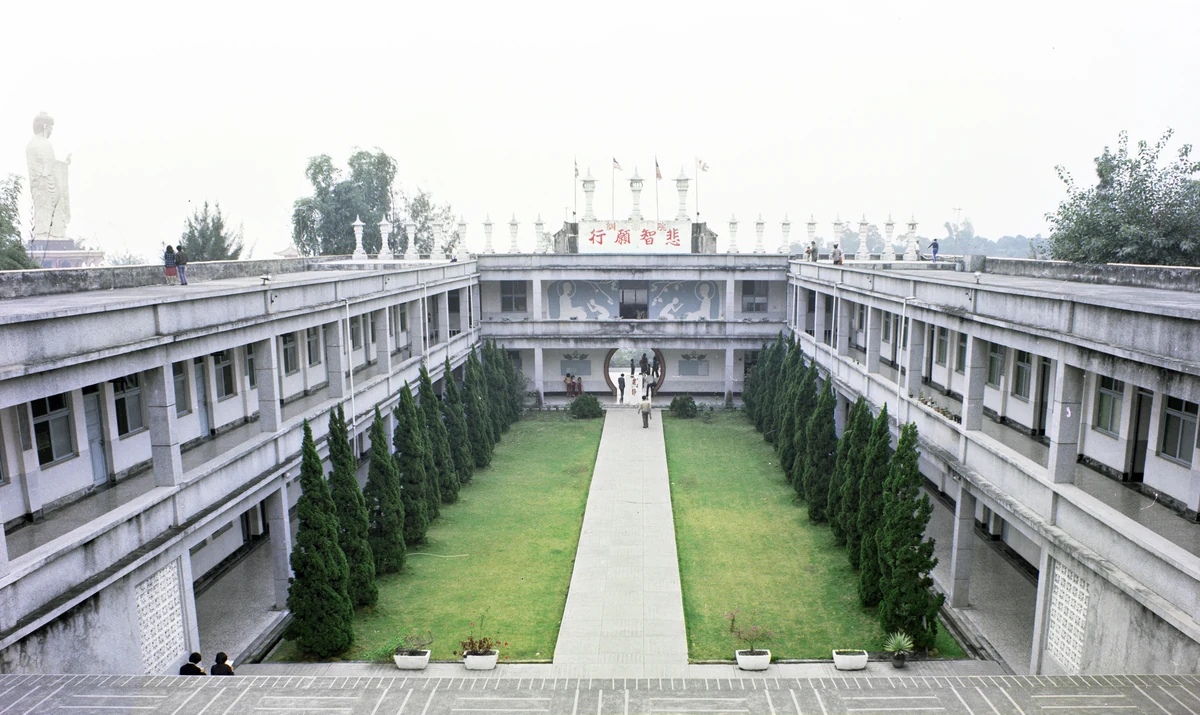
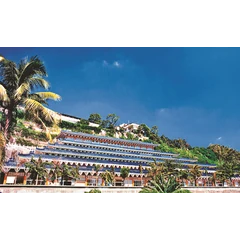
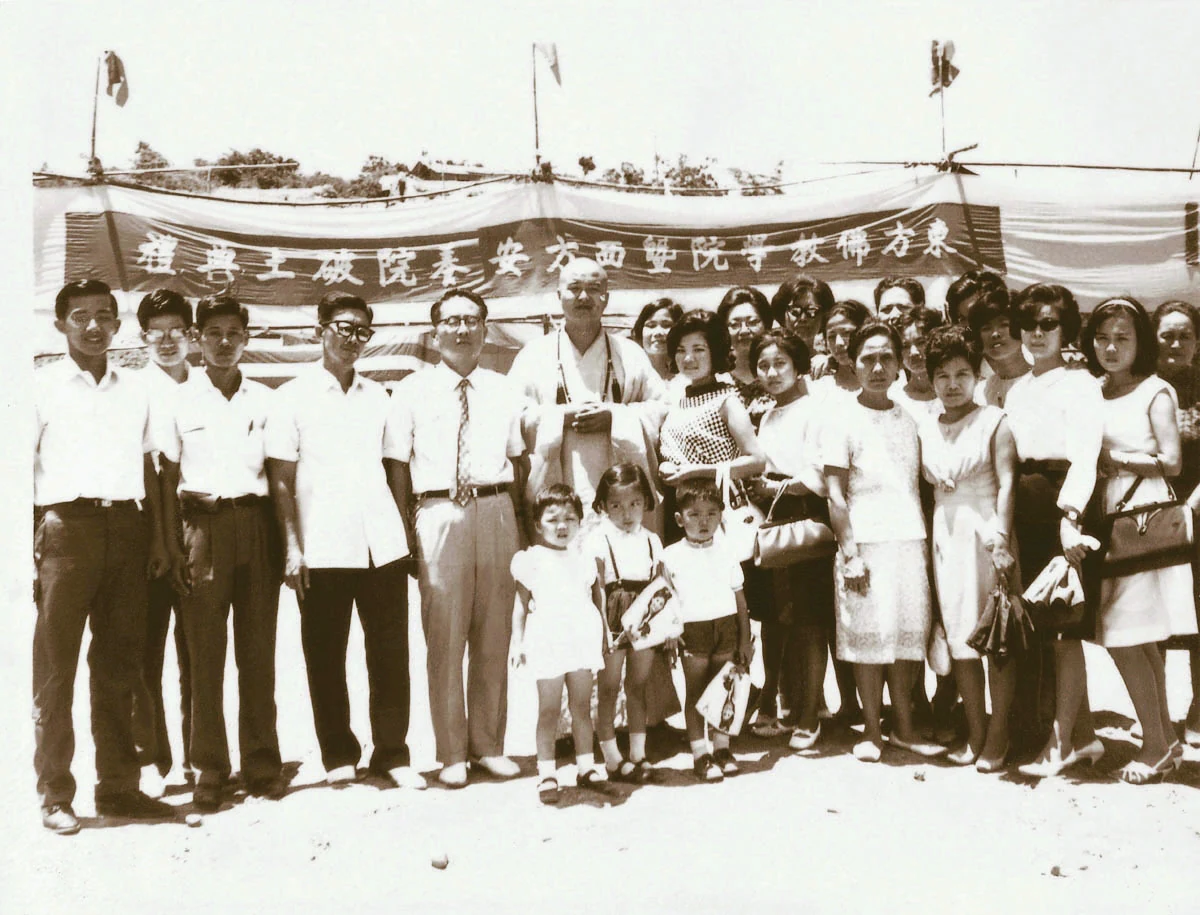
On June 18, 1967, the groundbreaking ceremony for the Eastern Buddhist College building and the "Western Pure Land Retirement Home" (Fo Guang Vihara) was held. Venerable Master Hsing Yun specially invited Venerable Dong Chu, Director of the Chinese Buddhist Culture Hall, to officiate. When Venerable Master originally planned the construction of Fo Guang Shan, he did not start with the Main Shrine but first built the Eastern Buddhist College. The future of Buddhism depends on youth and intellectuals for its propagation. Thailand and Japan both have many Buddhist universities, yet Taiwan at that time did not have a single university established by Buddhists. To meet the needs of the times and to integrate Eastern and Western thought while inspiring human wisdom, the Eastern Buddhist College was specially established for Buddhist scholars worldwide to study and research, with plans to expand into a Buddhist university. At that time, there were 28 classrooms (now a three-story building). In front of the classrooms, there are 18 banyan trees on both sides, originally planted to commemorate the 18 monastics in the first graduating class of Shou Shan Buddhist College (predecessor of the Eastern Buddhist College). These banyans have now grown as tall as the building itself.

July 28 –
August 9, 1969

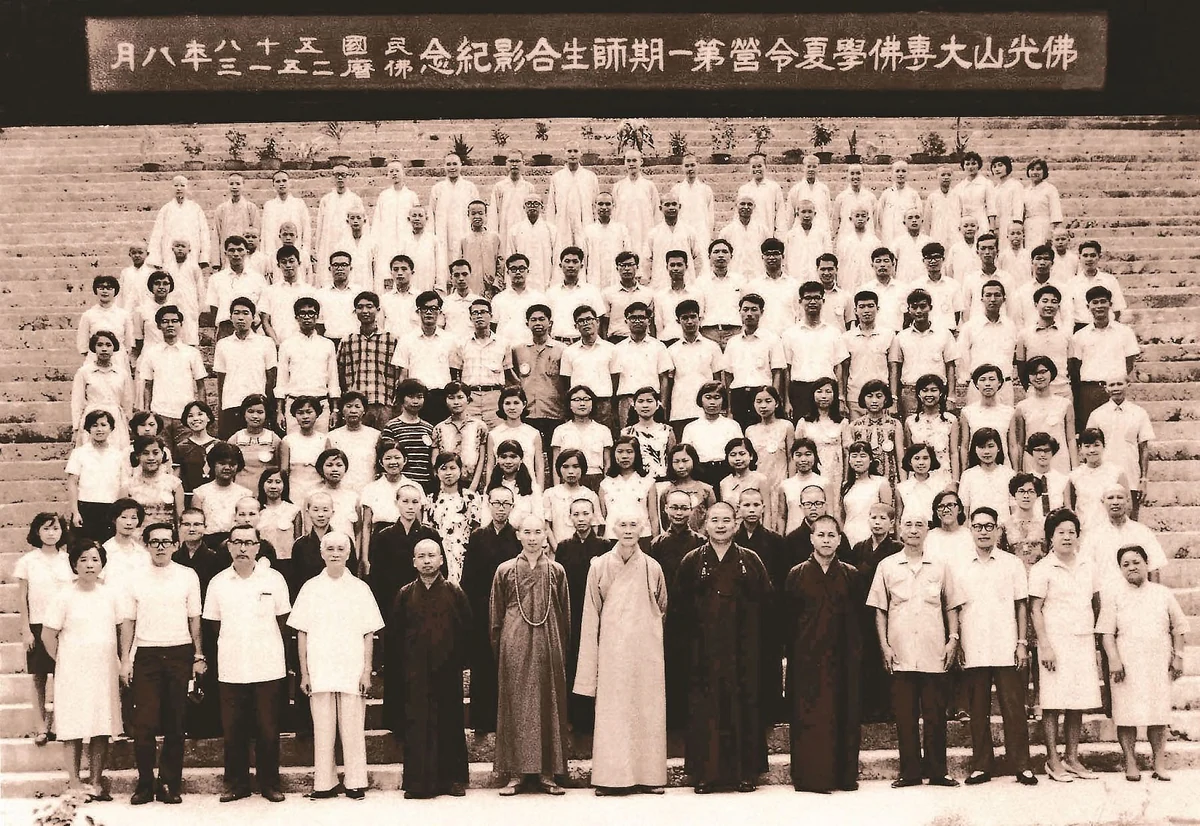
1st College Buddhist Youth Summer Camp

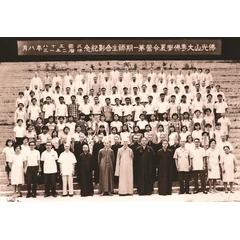
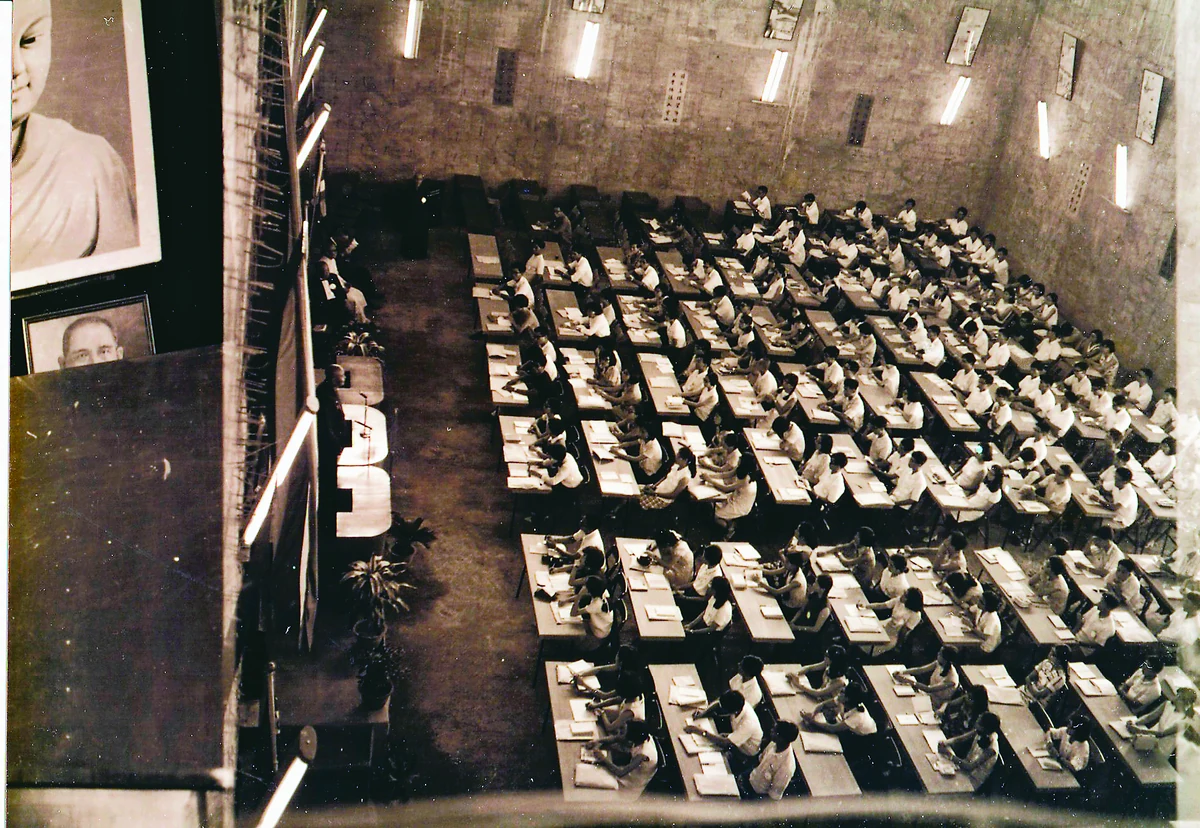
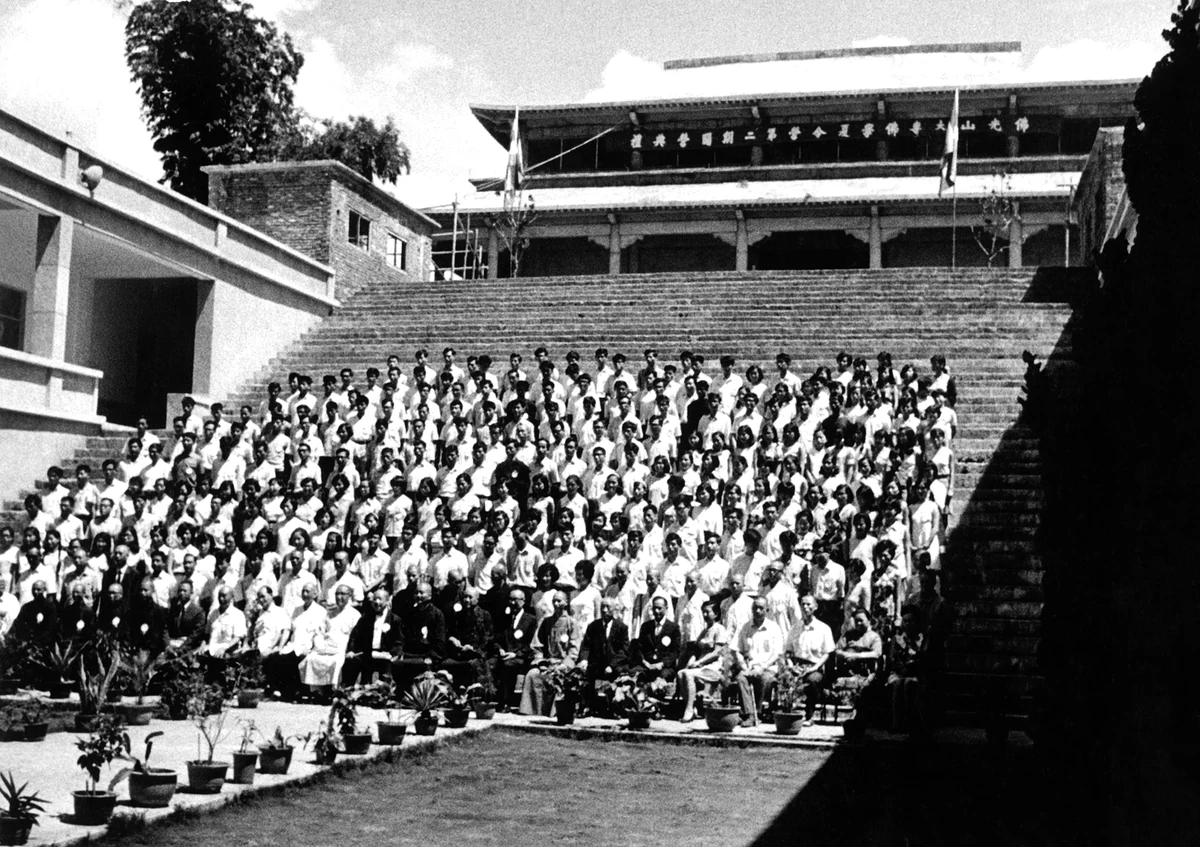
In 1969, to guide college youth toward Buddhism, Venerable Master Hsing Yun held the "1st College Buddhist Youth Summer Camp," with nearly 100 students from 26 colleges and universities including National Taiwan University, Chinese Culture University, National Taiwan Normal University, National Cheng Kung University, and Kaohsiung Medical University (originally known as Kaohsiung Medical College). This pioneered the trend of college youth studying Buddhism, injecting vitality into Buddhism. Some young people formed connections with Buddhism through this camp, such as Professor Wu Yi, Professor Chang Shangte, and Mr. Wang Shang-yi. Buddhism also created new developments and moved toward a new era because of these young people's involvement.

Before the closing ceremony, 26 young people resolved to take refuge in the Triple Gem. All participants voted to establish an "Alumni Association" to strengthen students' faith in the Dharma and further study Buddhism, ensuring the spirit of the College Buddhist Youth Summer Camp would continue.

Since the first College Buddhist Youth Summer Camp began, it has continued for decades, gathering the strength of many young people and nurturing many outstanding talents, including renowned American surgeon Shen Jen-yi, Kaoshiung Chang Gung Memorial Hospital President Chen Chao-long, and Japanese dentist Lin Ning-feng.

From 1970

Establishment of Various Social Charitable Enterprises

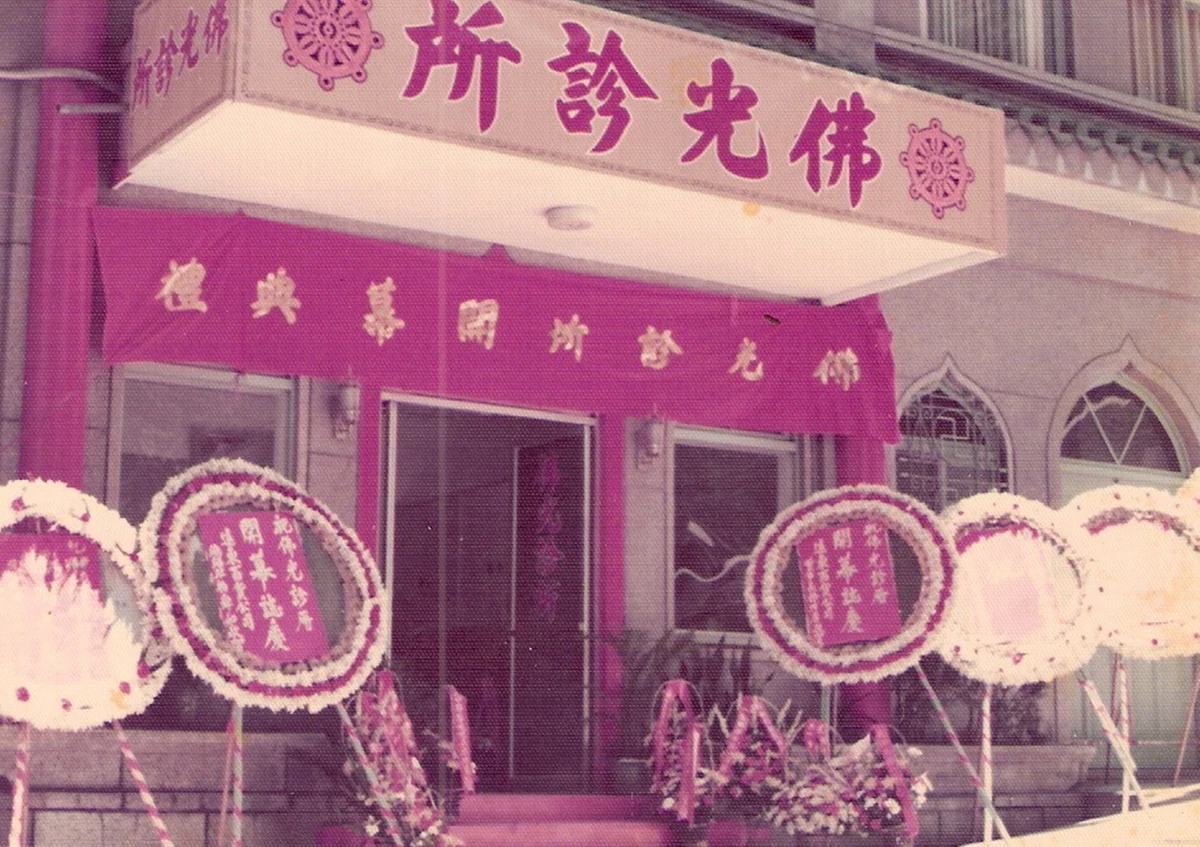
Venerable Master Hsing Yun successively established the Da Ci Children's Home, Fo Guang Vihara, Fo Guang Shan Compassion Foundation, Ren Ai Senior Citizen's Home, Cloud & Water Mobile Clinic, Fo Guang Clinic, and Mentality Protection Center Vehicles. He assisted the Kaohsiung County Government in establishing senior housing, donated dozens of Hope elementary and secondary schools and Fo Guang hospitals in mainland China, and donated wheelchairs and prefabricated houses worldwide, engaging in emergency relief, caring for children and the elderly, and helping the disadvantaged and poor.

July 13, 1970

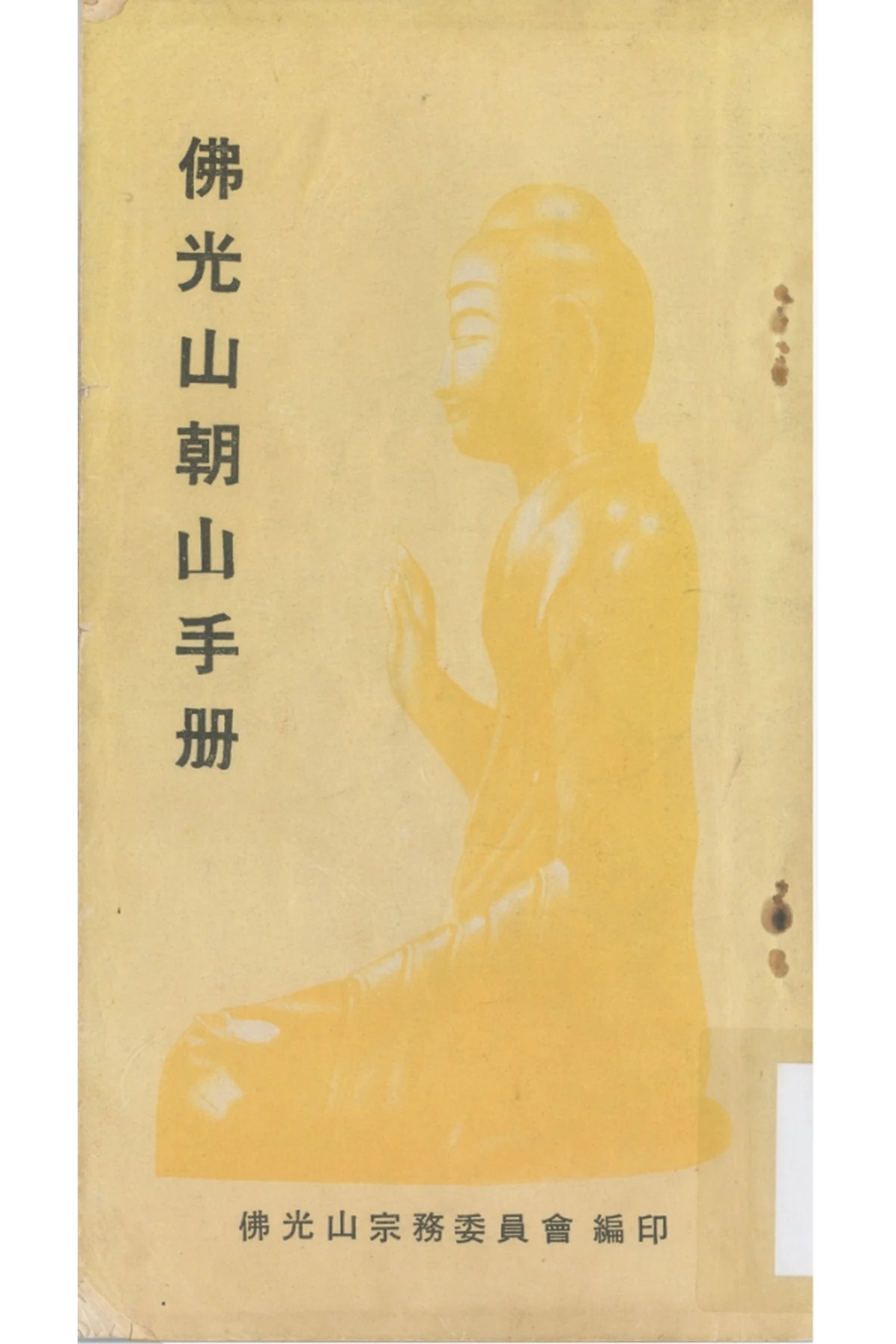
College Buddhist Youth Summer Camp Students Dedicate a Seated Maitreya Bodhisattva Statue

The second "College Buddhist Youth Summer Camp" held its opening ceremony at the Great Compassion Shrine. Venerable Master Hsing Yun spoke on the meaning of holding the summer camp: to elevate young people's character, purify their afflictions, expand their hearts, and dignify their world. Over 500 young people from more than 40 colleges and universities participated, held in two sessions.

The curriculum included the Heart Sutra, Platform Sutra of the Sixth Patriarch, Amitabha Sutra, Verses on the Eight Consciousnesses, Essentials of Tiantai School, and Introduction to Buddhism, taught by Venerable Master, Venerable Hui Hsing, Venerable Chin Kung, Tang Yi-hsuan, and Layman Fang Lun.

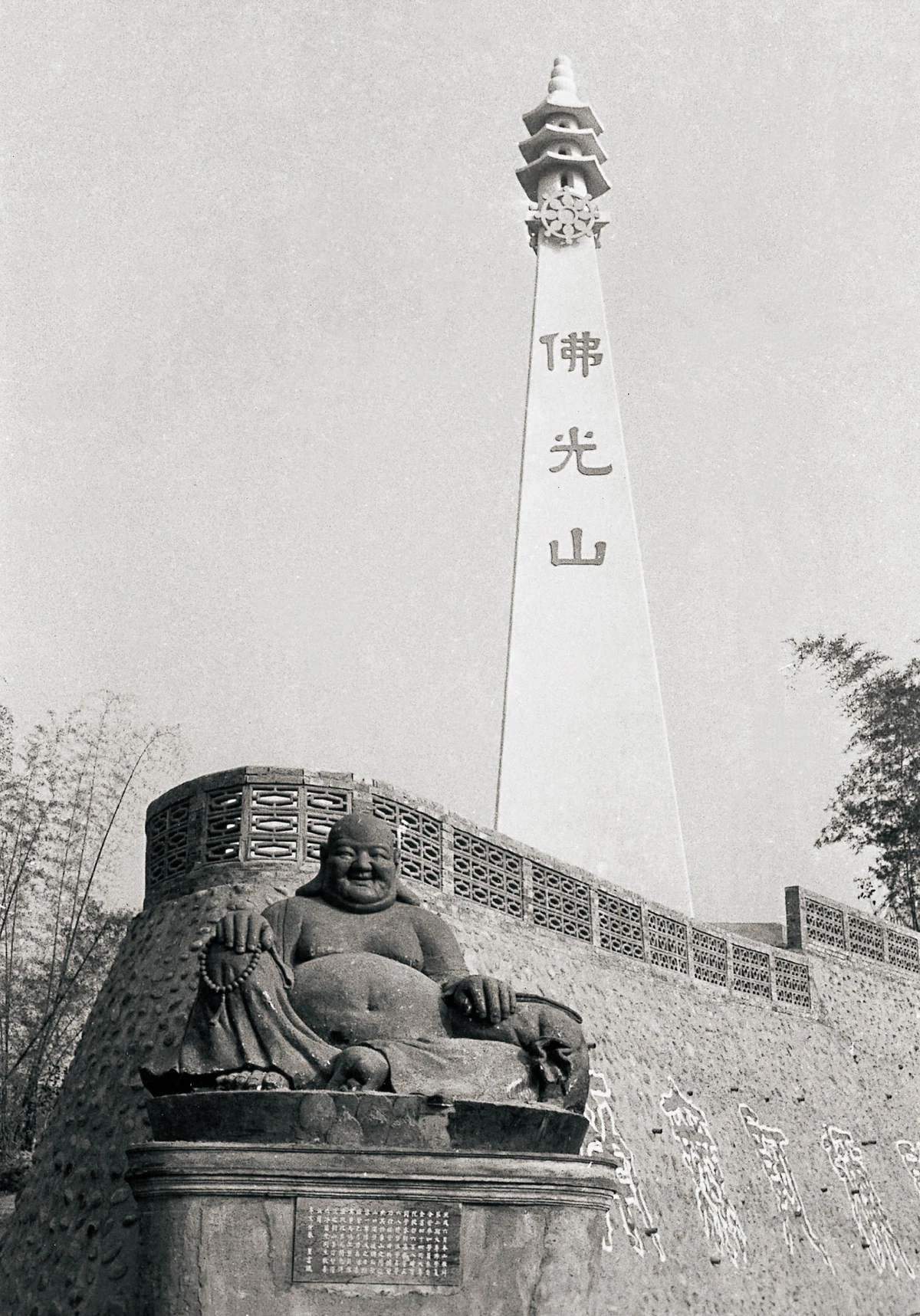
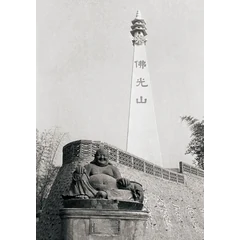
In the first session, 60 young people resolved to take refuge in the Triple Gem, and 40 volunteered to stay as counselors for the second session to serve new participants. Among them, three art school students (Hung Chu-tsai, Chu Chao-chi, and Ke Ta-san) used their artistic expertise to sculpt a six-foot tall seated Maitreya Bodhisattva statue (now seated at the Mountain Gate) as a gift of gratitude from the participants.

December 15, 1970

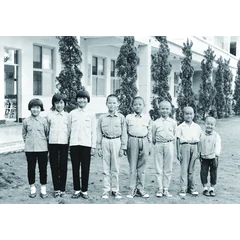
Founding Da Ci Children's Home

On December 15, 1970, Da Ci Children's Home was approved by the Social Affairs Bureau of Kaohsiung County Government. Initially, the Huai-en Hall and Zhi-du Hall of the Buddhist College served as temporary housing for the children.

Later, through the enthusiastic support of philanthropist Mr. Hsu Huai-sheng, former manager of the Bank of Communications, and the "Da Ci Children's Home Charity Sale" initiated by fourth-year students and faculty of the Eastern Buddhist College, along with a month-long island-wide charity sale, funds were raised for construction.

Construction began in 1972, and the building was completed on January 6, 1975, accepting orphaned children from various countries, becoming the Buddhist community's first children's home to accept international children. In 1989, it was expanded into a six-story building with offices, reception rooms, activity center, classrooms, dormitories, kitchen, dining hall, bathrooms, medical room, Buddha hall, and children's library, completed in 1991. In 2024, renovations began on the original site, completed in 2025.

To date, over a thousand children have grown up there, forming a warm extended family. Directors over the years have included Venerables Tzu Jung, Tzu Chia, Tzu Yi, Yi Chieh, Yi Lai, Ms. Hsiao Pi-liang, and Lin Chen-yu.

April 11, 1971

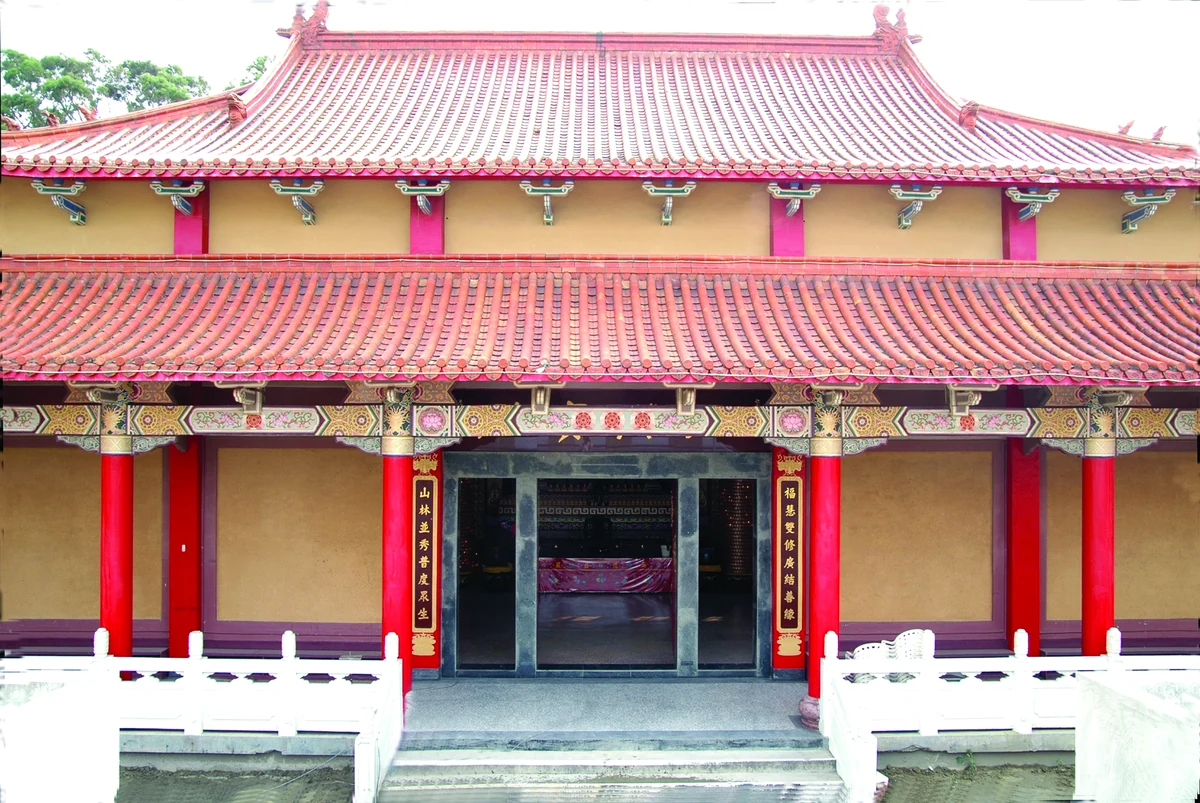
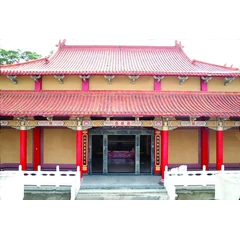
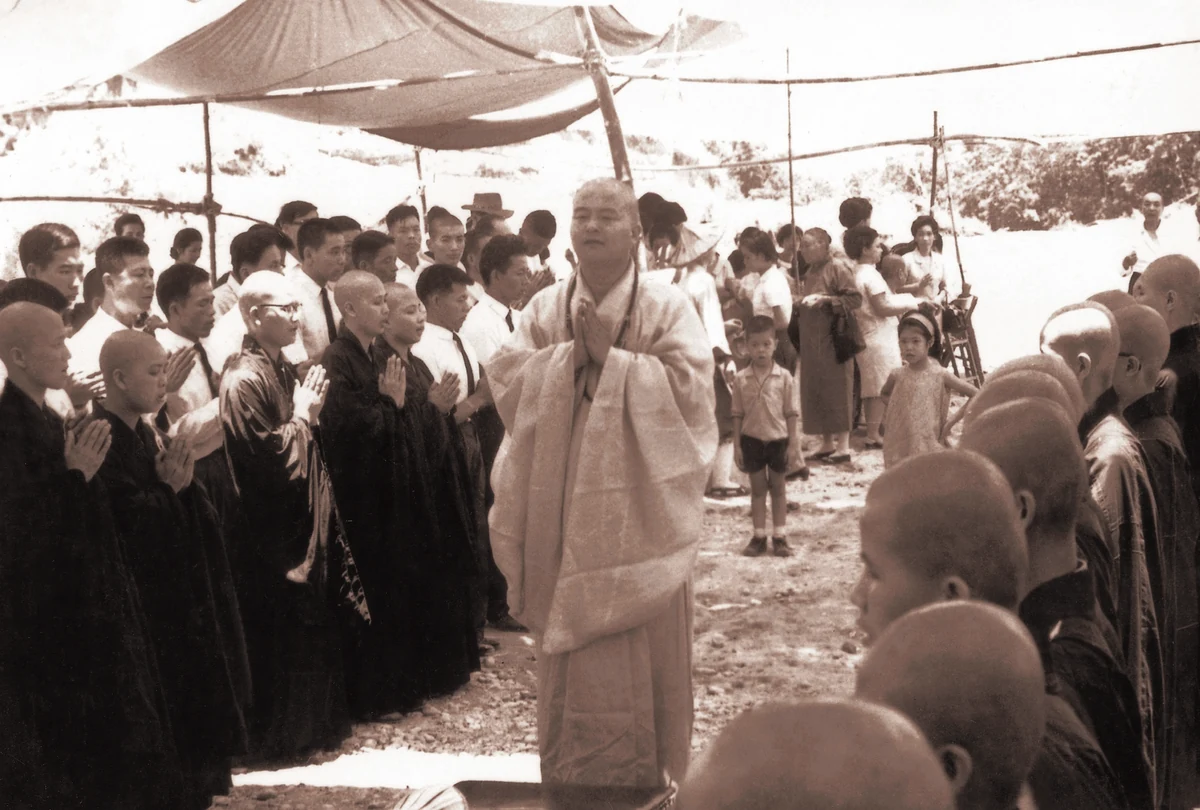
Completion of the First Shrine Hall: the Great Compassion Shrine

On December 15, 1968, construction began on the Great Compassion Shrine, the first shrine hall at Fo Guang Shan. After the groundbreaking, due to tight finances, construction did not proceed actively. The following year, after the first College Buddhist Youth Summer Camp was held and Fo Guang Shan's reputation spread, visitors increased daily, and efforts were made to speed up construction. At that time, there really was no extra funding, building a Buddha hall required enormous sums.
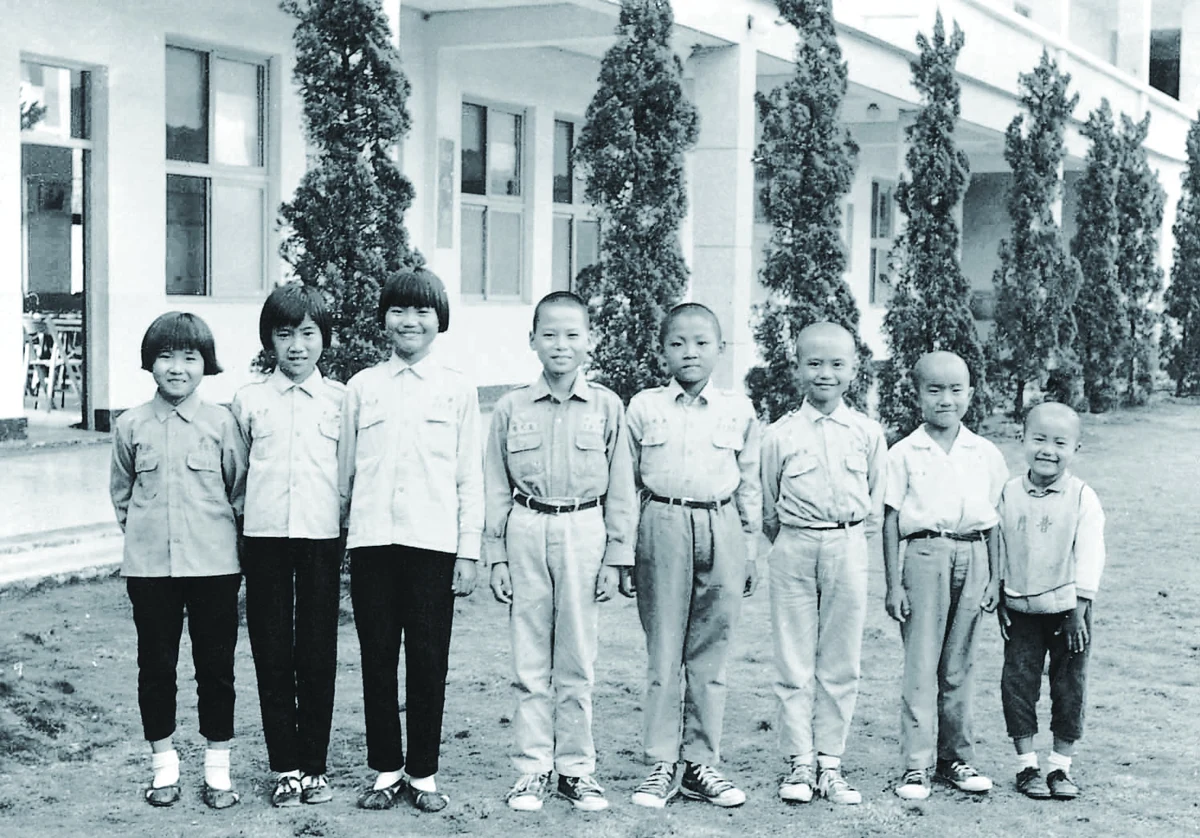
Later, Venerable Master Hsing Yun published an announcement in Awakening the World Periodical: welcoming everyone to donate Guanyin statues at 500 yuan each. Unexpectedly, the Great Compassion Shrine had tremendous appeal, even taxi drivers in Taipei sent money to donate after hearing the news.

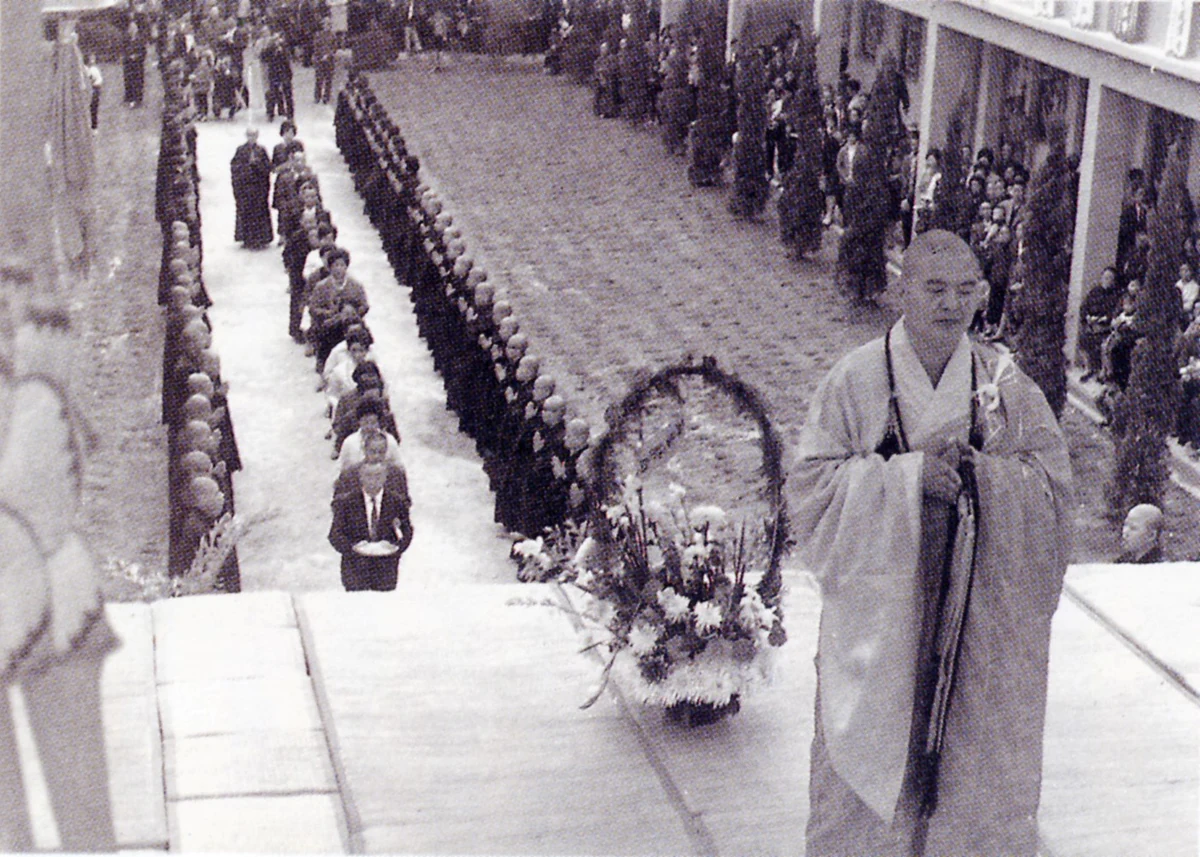
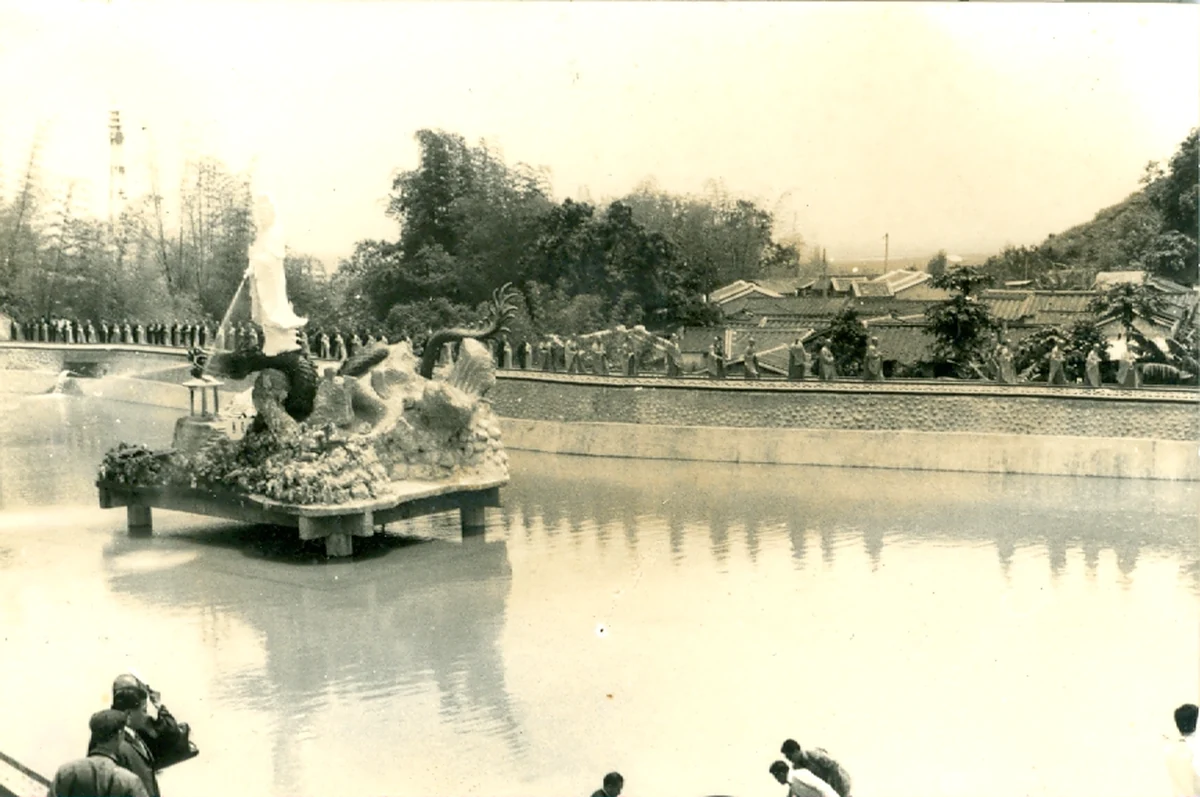
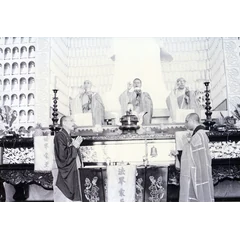
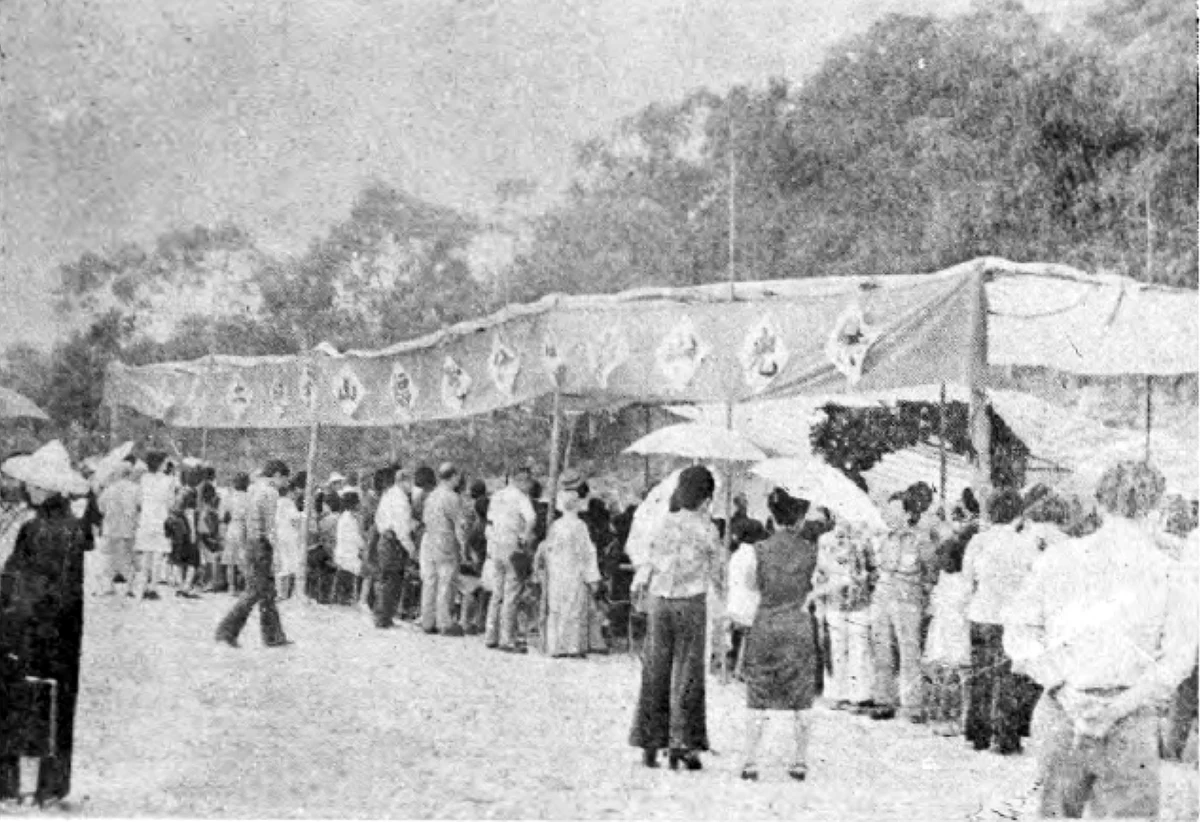
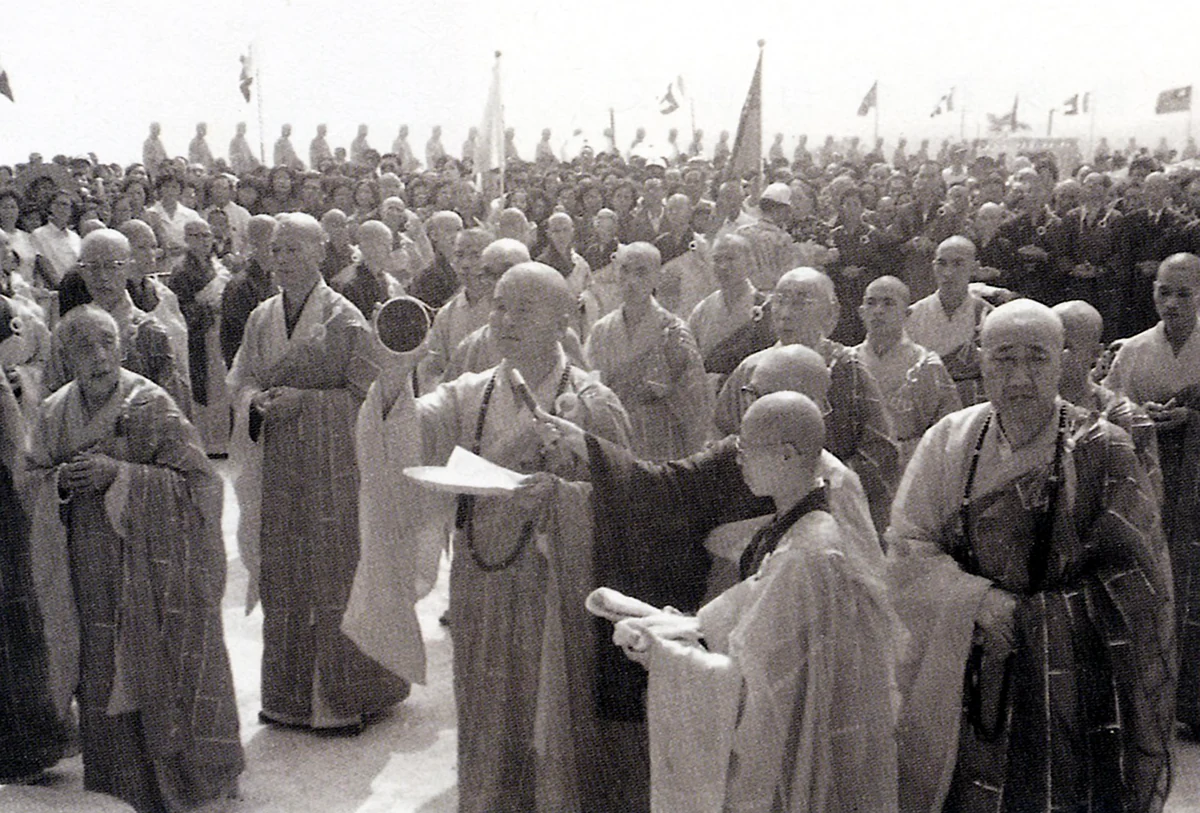
On April 11, 1971, the Great Compassion Shrine was completed. Venerable elders from various mountains and 100,000 devotees attended the ribbon-cutting ceremony. Simultaneously held were the consecration ceremonies for the 10,000 Guanyin images and the Maitreya image, the first liberation ceremony at the "Avalokitesvara Pond," the completion ceremonies for Dragon Pavilion and Serenity Pavilion, the opening ceremony of Precious Bridge, and the unveiling of the Founding Memorial Plaque, truly an unprecedented grand occasion.

April 11, 1971

Maitreya Buddha Statue Installation Ceremony

After the first College Buddhist Youth Summer Camp, six students voluntarily stayed to paint pictures of the Western Pure Land. One was named Tu Kuo-wei. Another student, Chu Chao-chi, said: "Venerable Master Hsing Yun wants to make a Maitreya Buddha for Fo Guang Shan as repayment."

Chu Chao-chi worked alone at what is now the Jetavana Grove Reception Center. Although still a student, the Maitreya Buddha he sculpted had a dignified appearance. It was later moved to the Mountain Gate. At the time, a 20-ton crane was borrowed from the Kaohsiung Port Authority (now called Port of Kaohsiung, Taiwan International Ports Corporation, Ltd.), but unexpectedly it broke. A 40-ton crane was then found, but it also broke, only then did they realize how heavy the Maitreya Buddha was.

Later, hearing that the military arsenal had an 80-ton crane, they borrowed it and finally moved the Maitreya Buddha to its current position at the mountain gate. The installation ceremony was held on April 11, 1971. Since then, it has guarded the Fo Guang Shan Mountain Gate, compassionately welcoming all who come to the mountain.

April 11, 1971

Simultaneous Completion and Opening of Dragon Pavilion, Precious Bridge, and Serenity Pavilion

Venerable Master Hsing Yun said that Fo Guang Shan was accomplished through the collective effort of everyone, how should he thank them all? After much consideration, "Fo Guang Tea" was set up in the Dragon Pavilion near the Great Buddha Land, providing tea for visitors from all directions. Originally, there was a deep ditch in front of the Pilgrim's Lodge. It took thousands of truckloads of soil and gravel to fill it into flat ground. Because the ditch on the left side facing the Pilgrim's Lodge was too deep and difficult to fill, a bridge about 50 meters long was built to connect the Pilgrim's Lodge and the Great Compassion Shrine, named "Precious Bridge. The Serenity Pavilion was donated by participants of the 1969 first College Buddhist Youth Summer Camp. When the mountain was first established, there was nothing. "Fragrant" represents offering a petal of heart incense to the ten directions; "Light" represents Buddha's light illuminating all, giving warmth and brightness. The hope is that everyone who comes here can feel the heart incense and warm brightness that Fo Guang people offer. On April 11, 1971, Dragon Pavilion, Precious Bridge, and Serenity Pavilion were completed and opened simultaneously.

March 1972

Establishing the Fo Guang Shan "Headquarters Committee Organizational Charter"

The Buddha-era Sangha's uposatha confession and karmic procedural systems were even more detailed and thorough than modern national legal procedures, with management methods that understood human nature and flexibly adaptable disciplinary regulations.

Throughout history, eminent monks and great masters such as Dao'an and Baizhang integrated ancient and modern practices, compiling monastic regulations and monastery rules. Due to lack of successors or sectarian differences, these could not be transmitted for long.

"Without rules, nothing can be accomplished." Without organizational systems, how can members' strength be united?

After Venerable Master Hsing Yun founded Fo Guang Shan, he established regulations and rules. In 1972, he formulated the "Headquarters Committee Organizational Charter," clearly defining personnel regulations and pioneering the monastic ranking system. From then on, Fo Guang Shan became a modern religious organization with structure and systems, leading the Buddhist community to gradually eliminate past problems of disorganization and lack of institutional structure.

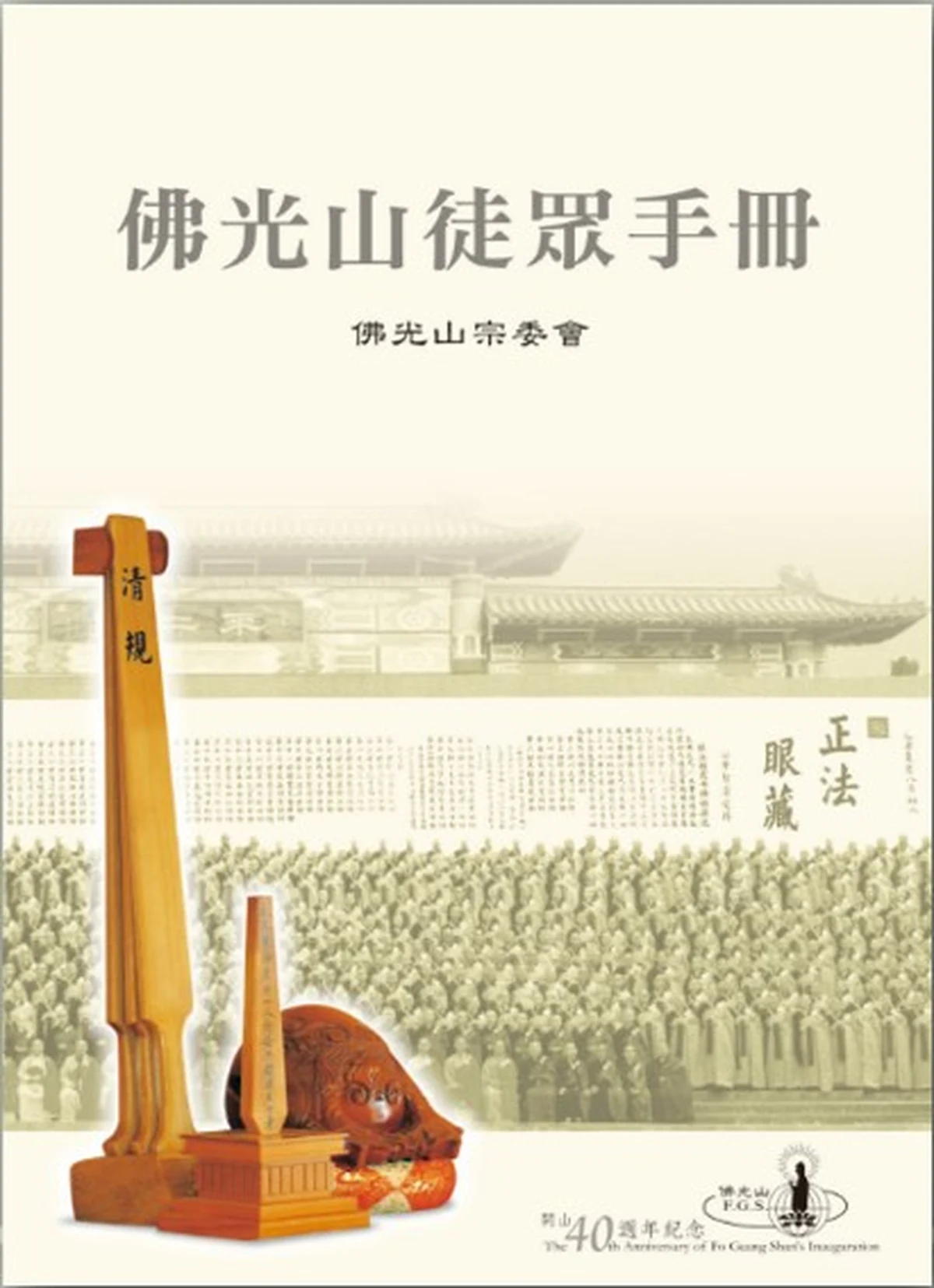
In June 2006, for Fo Guang Shan's 40th anniversary, the regulations and rules formulated over the years were compiled into the Fo Guang Shan Monastics Handbook, later renamed Fo Guang Shan Pure Regulations.

1972/10/21

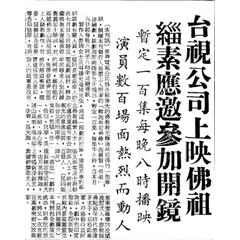
Adaptation of Taiwanese Drama Series "The Buddha"

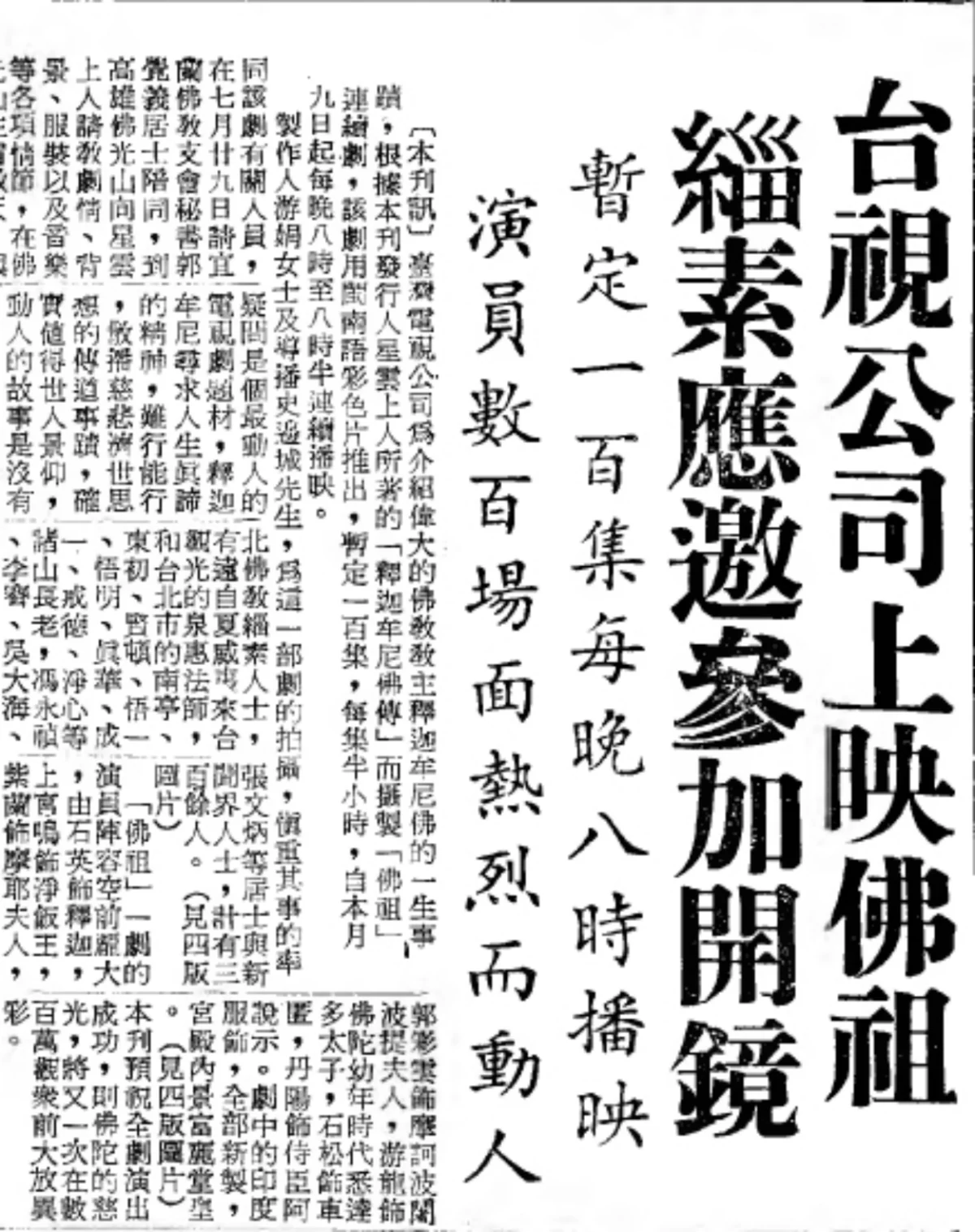
In 1972, the Taiwanese-language drama series "The Buddha," adapted from Venerable Master Hsing Yun's Biography of Sakyamuni Buddha, aired on Taiwan Television (TTV) with excellent ratings.

March 16, 1973

Completion of the Pilgrim's Lodge

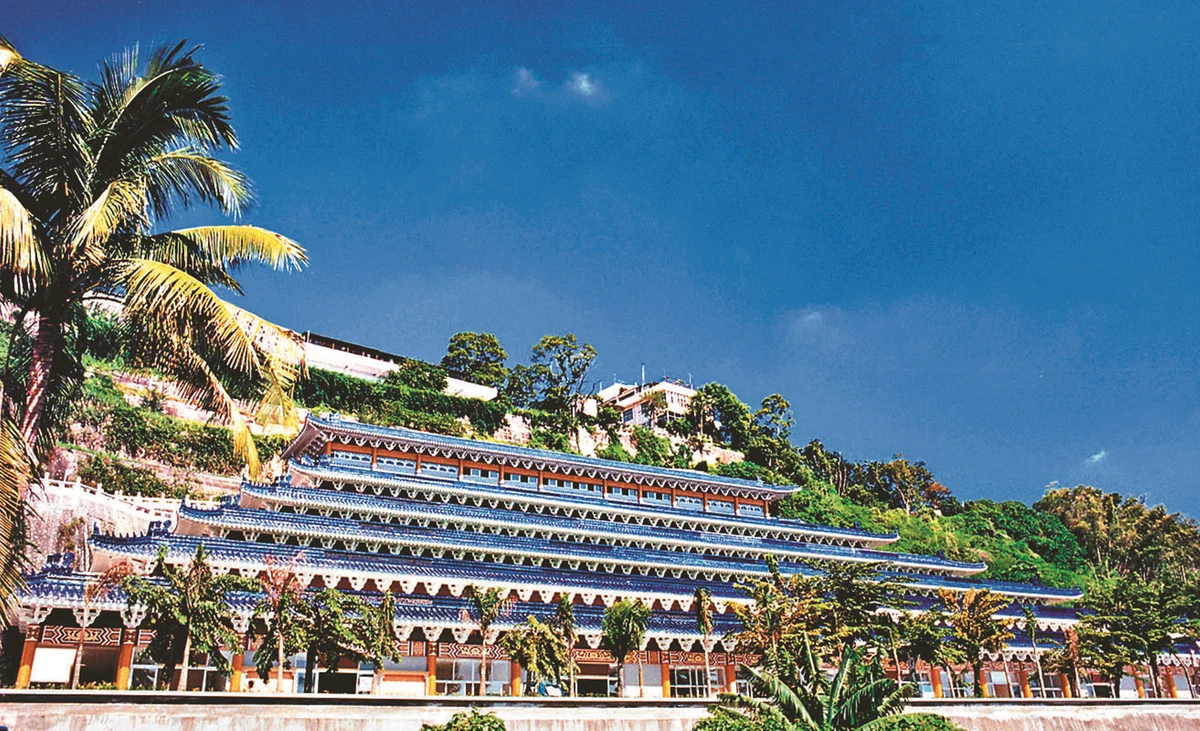
On March 16, 1973, the "Pilgrim's Lodge" was completed, with Venerable Tzu Chuang serving as the first director. It was Fo Guang Shan's most modernized building in its early period, representing a revolutionary significance for Buddhism, providing accommodation and meals for visiting devotees.

Venerable Master Hsing Yun believed that temples should be like the Western Pure Land, pure and dignified. He built the Pilgrim's Lodge environment to be like a Buddha land, giving people joy and convenience. The internationalization and modernization of the Pilgrim's Lodge helped devotees from around the world form connections with the main monastery.

All facilities were designed with providing the best service in mind. Guests from all directions, both men and women of faith, filled with Dharma joy after receiving warm hospitality and Dharma talks from monastics, continuously offered support. The Pilgrim's Lodge made enormous contributions to Fo Guang Shan's Dharma propagation and development.

June 16, 1973

Premier Chiang Ching-kuo and Delegation Visit the Monastery

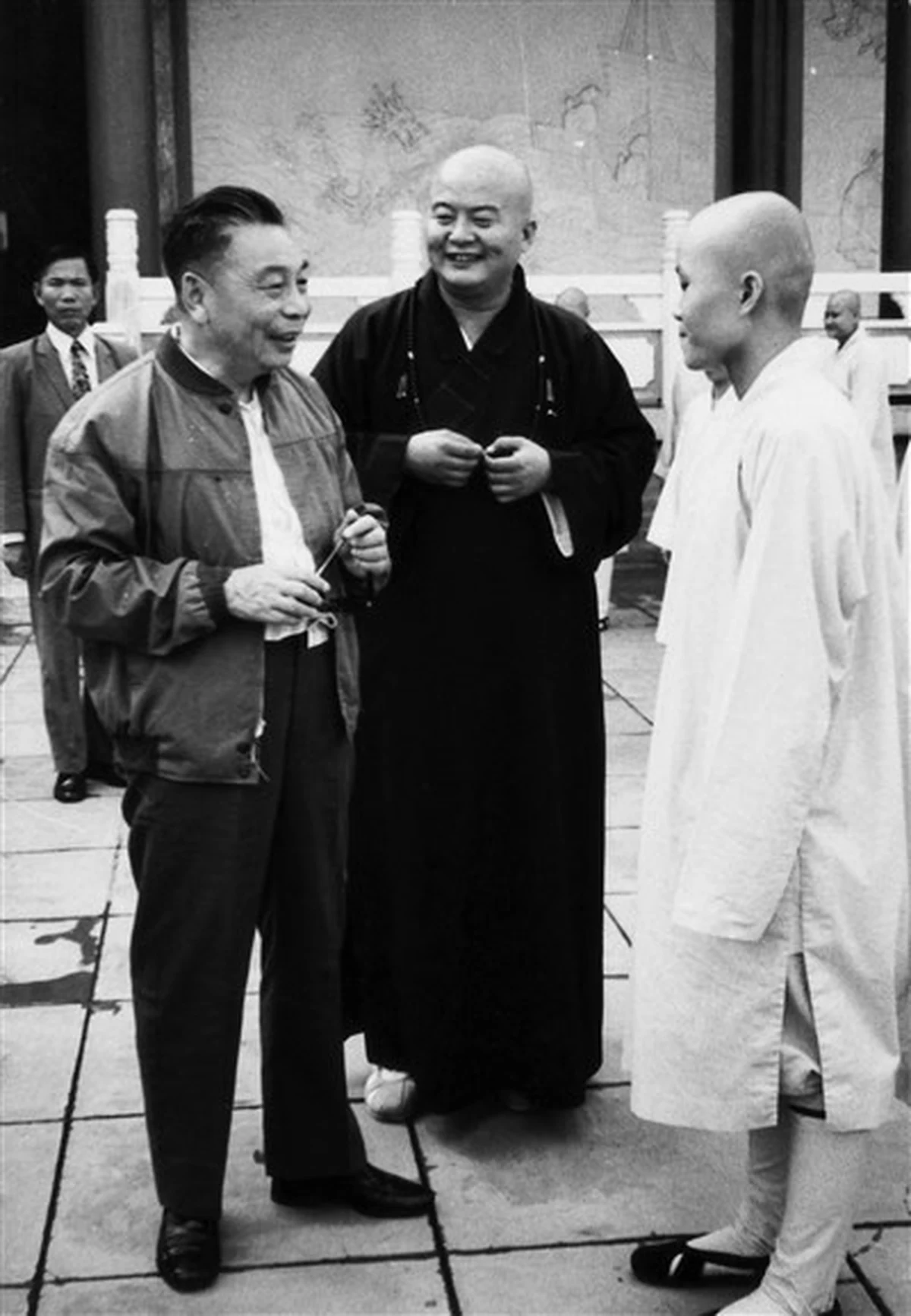
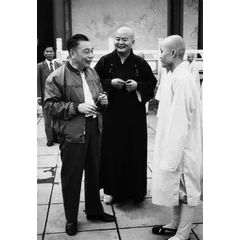
On June 16, 1973, during the celebration of Fo Guang Shan's sixth anniversary, Premier Chiang Ching-kuo of the Executive Yuan, Taiwan Provincial Government Chairman Hsieh Tung-min, and Kaohsiung County Magistrate Lin Yuan-yuan specially came to Fo Guang Shan to offer congratulations and tour the facilities. Venerable Master Hsing Yun expressed that this was not only Fo Guang Shan's honor but something the entire Buddhist community should celebrate, showing that orthodox Buddhist temples and various propagation endeavors had received attention and affirmation from government officials.

When Premier Chiang Ching-kuo visited Fo Guang Shan, he noticed the large resident population and asked about the source of living expenses. Venerable Master felt that besides relying on devotees' limited support, Buddhism should strive for self-development by establishing productive enterprises such as schools, hospitals, and publishing books and magazines. This would not only sustain the religious community itself but also promote national prosperity.

August 13, 1973

First Ullambana "Sangha Dana Dharma Service" at Shou Shan Temple

To correct folk customs and improve social atmosphere, on August 13, 1973, the first expanded Ullambana Dharma Service was held at Fo Guang Shan's Shou Shan Temple. Through the cultivation virtues of monastics, blessings are dedicated to deceased ancestors for early liberation or elevation of their status, while helping devotees understand the meaning and merit of the Ullambana service of offering to the Buddha and providing for the Sangha.

Venerable Master Hsing Yun proposed that the Buddhist Association of the Republic of China designate the 15th day of the seventh lunar month, "Buddha's Day of Joy," as "Sangha Day," and the seventh month as "Filial Piety Month. However, over the years, Sangha Dana assemblies had become formulaic, merely mobilizing various human and material resources, training lay devotees and volunteers to serve for months; while monastics traveled exhaustingly from north to south just to eat a meal, receive offerings, and collect souvenirs. Venerable Master advocated that the meaning of "Sangha Dana" is:

1) Supporting for a year, not just one day;
2) Supporting the future, not just the present;
3) Supporting the ten directions, not just one person;
4) Supporting the pursuit of the Way, not just festivity.

September 18, 1973

Founding Taiwan's First Buddhist University: Fo Guang Shan Monastic University

Taiwan lacked a proper institution of higher learning for nurturing Buddhist talent. Those aspiring to deeply study the Dharma and integrate worldly knowledge mostly had to explore on their own or travel overseas. In light of this, on September 18, 1973, Venerable Master Hsing Yun established the "Fo Guang Shan Monastic University." The Eastern Buddhist College was retained, and graduates from previous classes were allowed to enter the Monastic University to complete additional credits.

Five departments were established: Doctrine, Practice, Propagation, Arts, and Languages, with 25 subjects including Consciousness-Only and Buddhist History. Venerable Master believed that only by advancing from general education to specialized expertise, allowing young people aspiring to deeply study Buddhism and dedicate themselves to Buddhist work to develop specialized skills, could Buddhist education truly achieve the ideal of applying what is learned. It was later renamed "Fo Guang Shan Monastic College."

July 1974

Fo Guang Shan "Longevity Memorial Park" Officially Registered

In 1974, Fo Guang Shan Longevity Memorial Park was approved by the Taiwan Provincial Government Department of Social Affairs. From then on, Venerable Master Hsing Yun's aspiration to "let everyone's entire life, from birth to death, be completed at Fo Guang Shan" was finally achieved.

After over a decade of construction, the seven-story Longevity Pagoda was completed. Besides housing memorial niches, responding to social needs, a "Rebirth Hall" was established for end-of-life use, with kitchen, bathroom, and rooms for family members to rest, as well as a "Longevity Hall" for funerals, memorial services, and ceremonies.

On November 27, 1983, the "Longevity Hall" attached to Longevity Memorial Park opened. To promote "Final Moments of Life Care," a "hospice room" was established within Longevity Hall, providing the dying with a peaceful final journey accompanied by family and the sound of Buddha's name.

September 1974

Pioneering Pilgrimage Buses

After Venerable Master Hsing Yun founded Fo Guang Shan in 1967, following three years of pioneering work, the Eastern Buddhist College and the majestic Great Compassion Shrine were successively completed. Northern devotees returning to the mountain to pay respects increased daily.

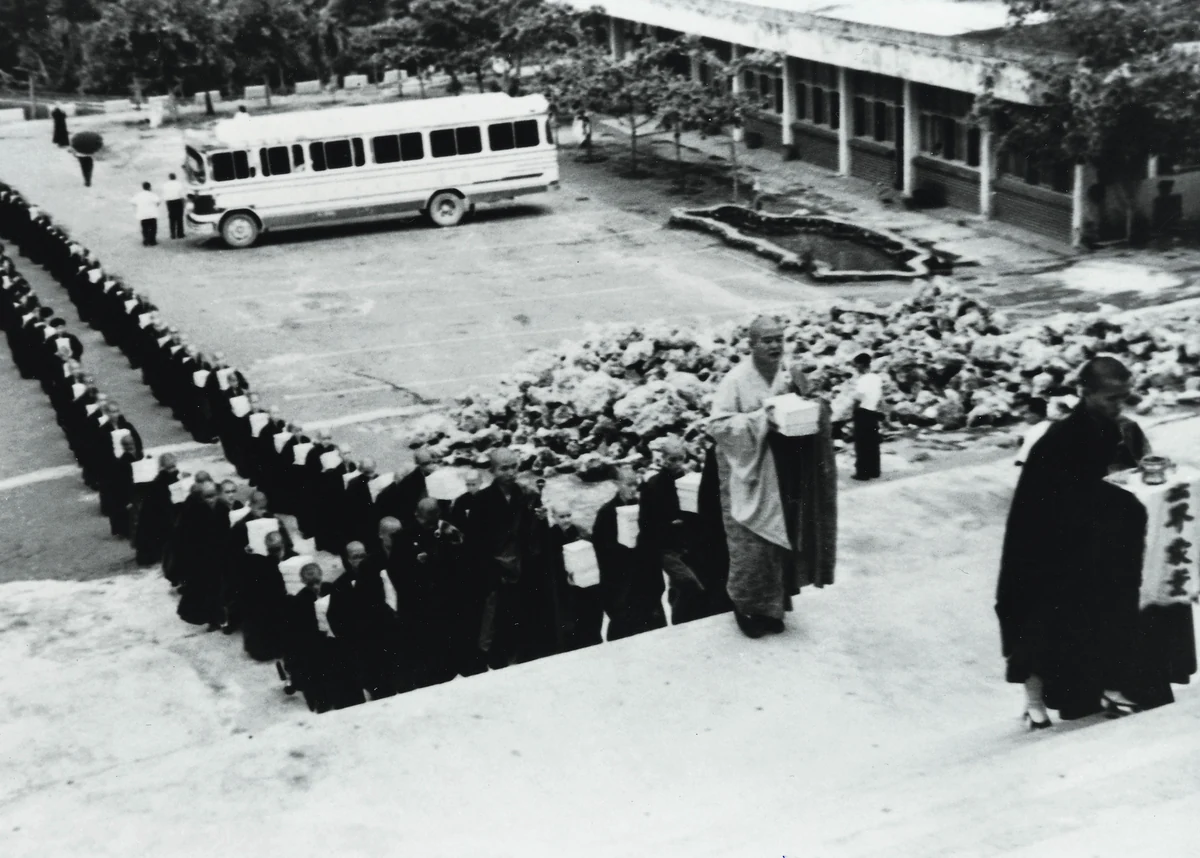
Due to the many inconveniences of north-south transportation, in September 1974 Venerable Master pioneered the "Pilgrimage Bus," with buses departing from Taipei every Saturday to transport devotees to Fo Guang Shan for pilgrimage. When pilgrimage groups arrived, Venerable Master would always lead all reception monastics to welcome them in formation, setting off firecrackers and presenting flower garlands. Many visitors and devotees, having never received such grand welcomes in their lives, were deeply moved.

During the overnight pilgrimage journey, monastics provided meticulous care and attention, leading tours of the mountain while Venerable Master gave Dharma talks. Everyone returned home filled with Dharma joy. After returning to Taipei, word spread by mouth, and people actively introduced others, causing the pilgrimage enthusiasm to endure.

Through the successful promotion of pilgrimage groups, not only did Buddhism gain countless devotees, but it also brought the necessary funds for Fo Guang Shan's initial construction, greatly benefiting Fo Guang Shan's future Dharma propagation and development.

January 6, 1975

Completion of Da Ci Children's Home building

On January 6, 1975, Fo Guang Shan Da Ci Children's Home held its building completion ceremony. It was initiated by Hsu Huai-sheng, supported by Hsieh Yi-hsiung's land donation, board members' support, charity sales by fourth-year Eastern Buddhist College students, and planning by successive directors Venerables Tzu Chia and Tzu Yi.

Under Venerable Master Hsing Yun's guidance, Fo Guang Shan has always upheld these principles for the Children's Home:

1) No claims of poverty, to prevent psychological trauma to children, they do not use the children to solicit monetary support from society;
2) No individual adoptions, let each child feel secure in treating the Children's Home as their own home; they are all princes and princesses of Fo Guang Shan;
3) Dress with dignity, provide new clothes and shoes for school as much as possible, so they feel proud outside and can interact with classmates with dignity and equality.

March 1975

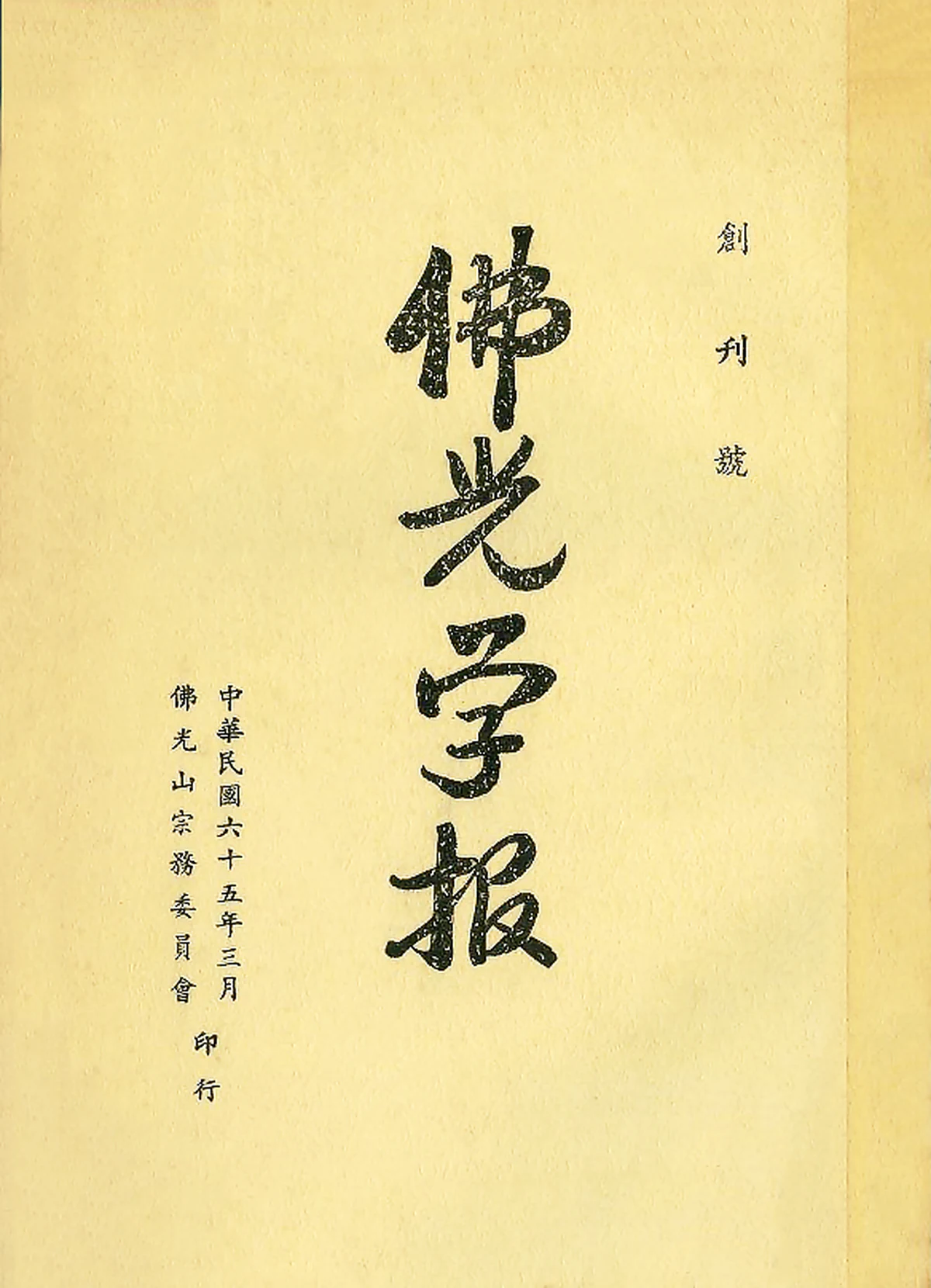
Inaugural issue of Fo Guang Buddhist Journal

The Fo Guang Buddhist Journal was launched in 1975, an important gift marking Fo Guang Shan's tenth anniversary. This journal was edited by Venerable Tzu Hui, with Professor Lan Chi-fu invited as executive editor. Its founding purpose was to pioneer Buddhist academic research and expand the depth and breadth of Buddhism.

April 20, 1975

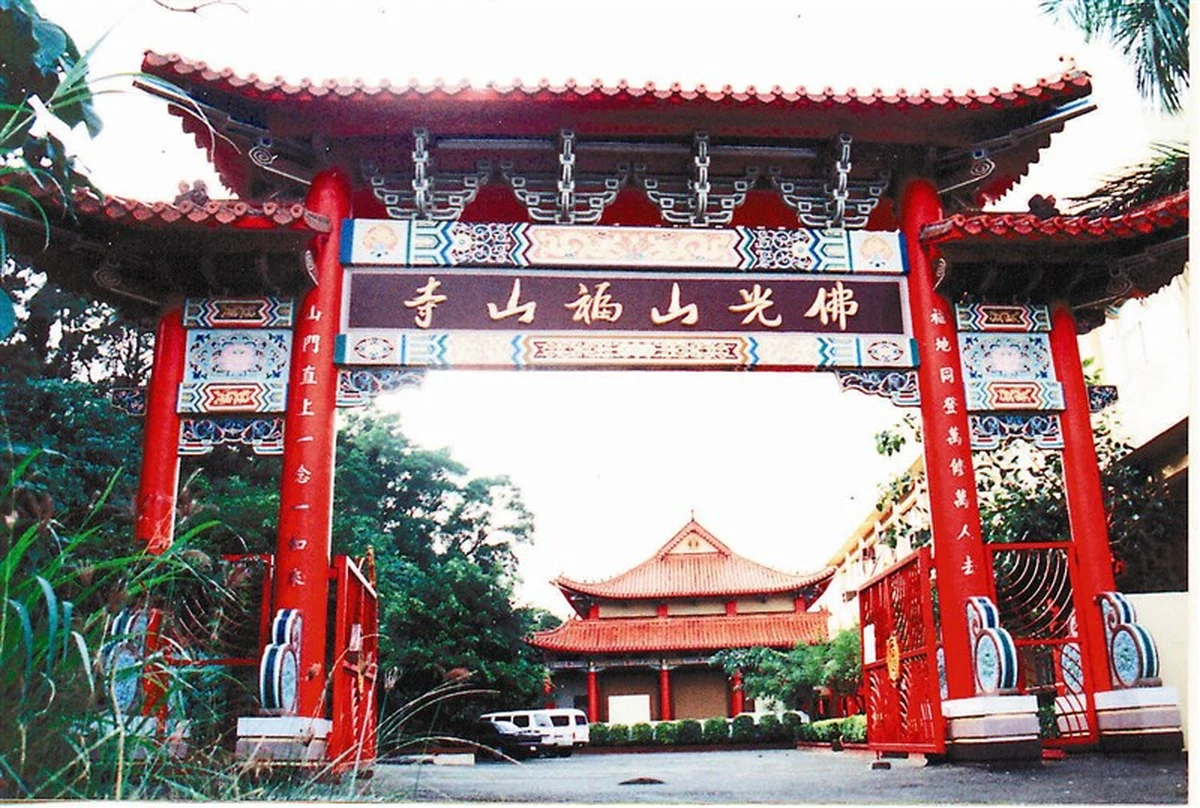
Construction Begins on Fo Guang Shan's First Branch Temple: Fushan Temple

On April 20, 1975, construction began on Fo Guang Shan's first branch temple, Fushan Temple, with Venerable Hsin Ping in charge of the project. At that time, the chairman of the Changhua County Buddhist Association said: "We hope that under Venerable Master Hsing Yun's leadership, Fushan Temple will serve as a base for propagation, bringing the Dharma to all people in Changhua. Venerable Master said he chose to build a temple in Changhua to provide a rest and connection center for Buddhists traveling between north and south, hoping Fushan Temple would become a bridge for Buddhist exchange between north and south. Before the highway was completed, driving between Taipei and Kaohsiung took eight hours, requiring a midway stop for rest and meals, so Changhua was chosen for Fushan Temple. After the highway opened, although not as crucial as before, Fo Guang Shan's Fo Guang Dictionary of Buddhism and Fo Guang Buddhist Canon: Agama Canon were both completed at Fushan Temple.

Note:
Lei Yin Temple and Shou Shan Temple were both built before Fo Guang Shan was founded; Fushan Temple was the first branch temple after Fo Guang Shan's founding, completed in December 1985.

October 7, 1975

Venerable Ren Guang, Chinese monk in Japan, donates a set of the Tetsugen Canon to Fo Guang Shan

Venerable Ren Guang, a Chinese monk residing in Japan, donated a complete set of the Tetsugen Canon to Fo Guang Shan. Venerable Master Hsing Yun led his disciples to ceremonially receive it.

October 20, 1975

First Monastic to Give Dharma Talks in a National Hall

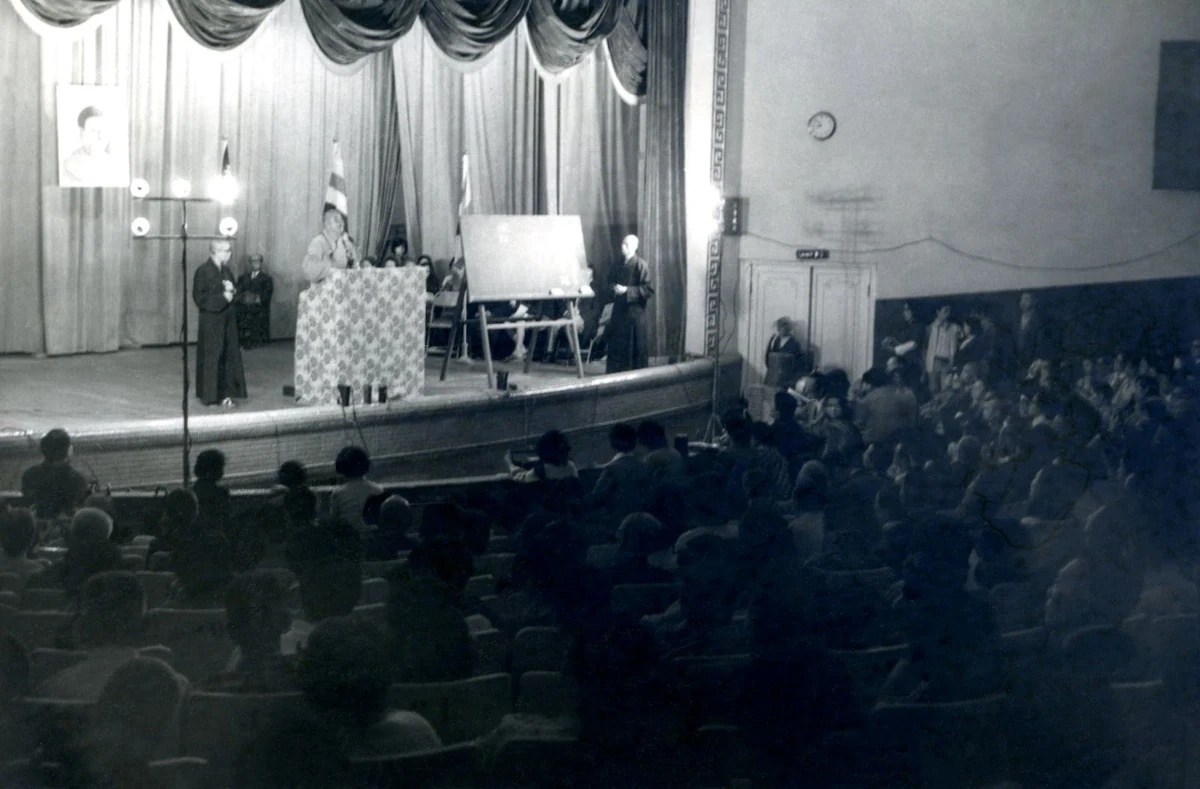
Buddhist propagation activities in the past were generally confined to repentance services and sutra chanting in temples, giving the impression that Buddhism was merely a faith of worshipping spirits and seeking blessings. Since 1971, Fo Guang Shan has held large-scale Buddhist lectures in various locations, elevating Buddhism from ordinary temple services to the level of hearing the Dharma and gaining wisdom. In October 1975, Fo Guang Shan held its first three-day Buddhist lecture series at the National Taiwan Arts Education Center in Taipei. Venerable Master Hsing Yun's topics were: "From the Platform Sutra of the Sixth Patriarch to the Characteristics of Chan School Teaching," "From the Diamond Sutra to the Study of Prajna Emptiness," and "From the Amitabha Sutra to the Establishment of Pure Land Thought," bringing the Buddha's Dharma voice into the national hall. The scene of 10,000 listeners was like Vulture Peak appearing again, Jetavana shining anew. Buddhism entering the national cultural hall and being accepted by all citizens was a major step forward, not only elevating Buddhism's image and showing that Buddhism is not merely a folk religion for prayer and worship, but demonstrating its function of purifying society and beautifying hearts.

November 16, 1975

Completion and Inauguration of the Welcoming Buddha

To propagate the Dharma and guide sentient beings, besides the fearless spirit of protecting Buddhism, one must also establish practice centers and perform Buddhist ceremonies. On November 16, 1975, the Inauguration Ceremony was held for Taiwan's largest and Southeast Asia's tallest Buddha statue, the "Welcoming Buddha" Simultaneously, the groundbreaking ceremony for the Main Shrine and the completion ceremony for the Tsung Lin University building were also held. That day, venerable elders from various mountains were invited to jointly officiate the ceremony with Venerable Master Hsing Yun. May all sentient beings in the world receive the Buddha's care and visit this Pure Land in the human realm. The Welcoming Buddha stands 120 feet tall, then one of the tallest Buddha statues in Southeast Asia. Due to the enormous scale of the project, the Great Buddha was made in three parts. For the lotus seat concrete work, due to insufficient manpower, students and staff of the College worked together day and night to complete the concrete work. Ground was broken in July 1974, and a three-day Dharma service for myriad conditions was held at the official opening. It has since become a landmark of the main monastery.

November 16, 1975

Fo Guang Shan Main Shrine Groundbreaking Ceremony

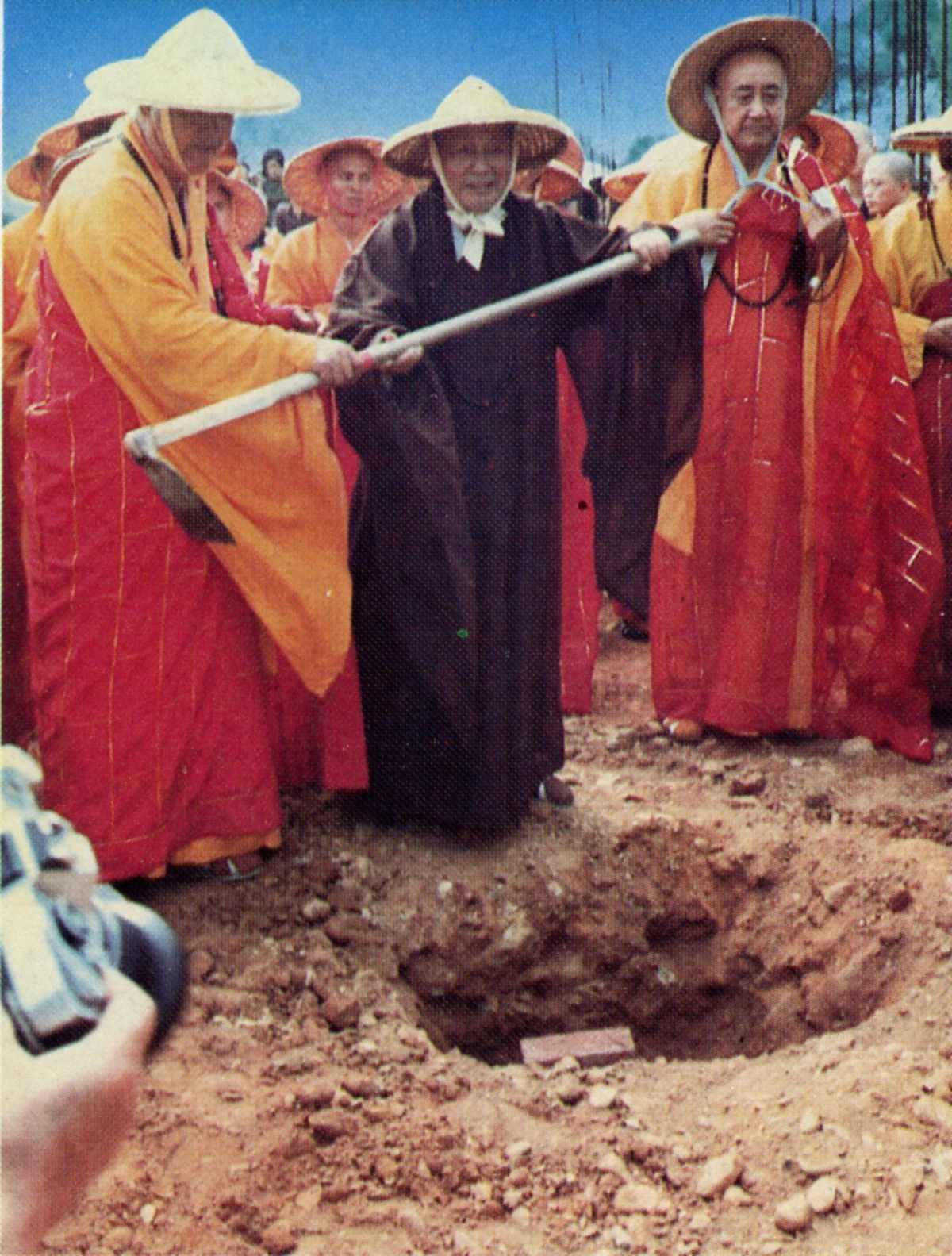
On November 16, 1975, the Main Shrine groundbreaking was jointly officiated by Venerable Master Hsing Yun and Venerable Zhu Yun. The foundation stone came from the five-grain bricks beneath the diamond throne at the Buddha's teaching site in India, symbolizing inheriting the Buddha's teachings above and setting an example for the future below.

The Main Shrine covers 1,080 ping of construction area, with a front courtyard of over 1,000 ping, capable of accommodating 30,000 devotees. The avenue leading to the Main Shrine through the Padmagarbha Gate is paved with 464 concrete blocks. Staff and students of the entire mountain endured the pain of cement corrosion to hand-draw 27,840 lines, naming it the "Path to Buddhahood. When the Main Shrine was first groundbroken, the mountain was still covered with thorny bamboo, hemp bamboo, pineapples, longan, and lychee trees. The harvested bamboo shoots supplemented the community's expenses, while the fruit trees were most loved by summer camp students. Except for some shared with benefactors, the community did not sell them, visiting devotees and tourists could pick and enjoy them but not take them away.

November 16, 1975

Establishment of the "Zongyang Memorial Hall"

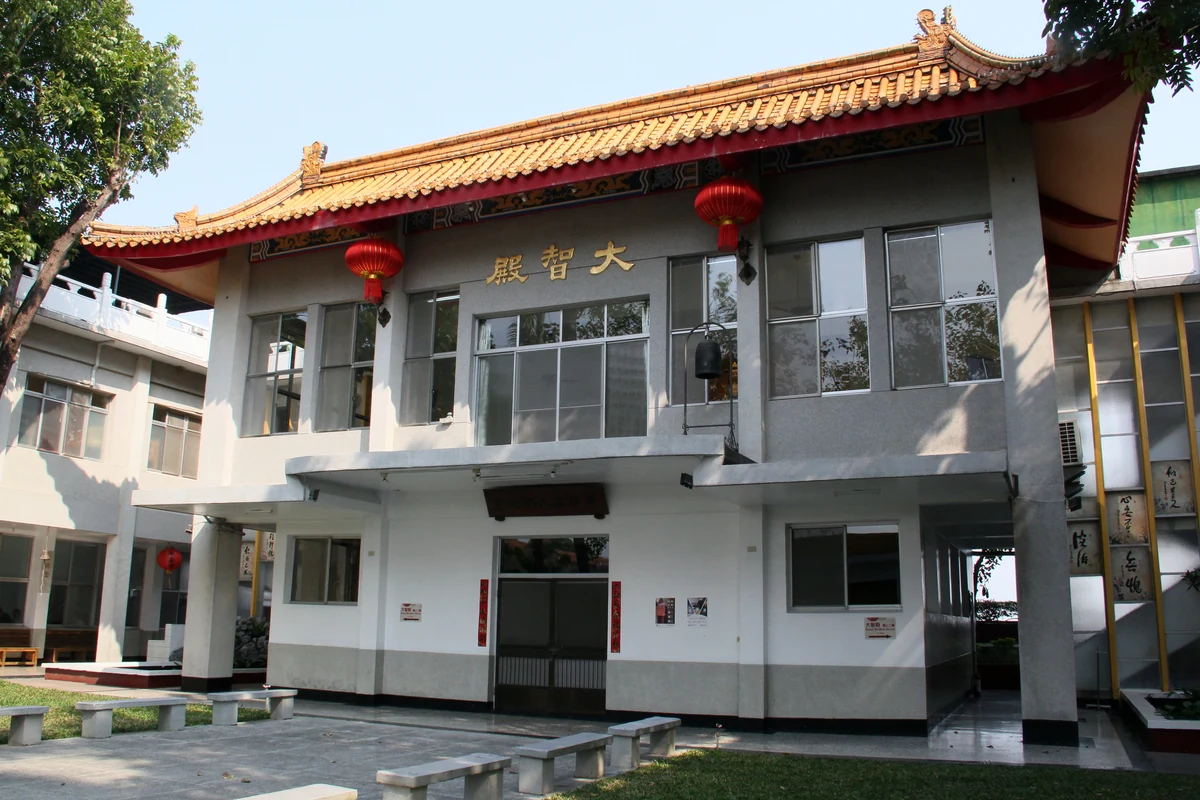
The Great Wisdom Shrine and Great Buddha Land were simultaneously consecrated and opened. To commemorate Venerable Zongyang who revitalized Qixia, Venerable Master Hsing Yun established the Zongyang Memorial Hall beneath the Great Wisdom Shrine. The main hope was that male students studying here would "use world-transcending thought to do world-engaging work," emulate Venerable Zongyang's spirit of serving the nation and people and practicing the bodhisattva path, universally transform sentient beings, and create a new chapter for Humanistic Buddhism.

June 21, 1976

Official Establishment of the "Fo Guang Shan Compassion Foundation"

On June 21, 1976, following the Buddha's spirit of compassion and helping the world, the "Fo Guang Shan Compassion Foundation" was officially established. Through charitable work, it integrates the Dharma into society, shelters sentient beings, solves problems of poverty, and promotes social welfare.

Subsequently, the "Fo Guang Free Medical Clinic" was established at Kaohsiung Shou Shan Temple; and together with Laymen Li Chiang-nan and Kuo Cheng-chang, the "Fo Guang Pumen Hospital" was established in Yilan, the Buddhist community's first hospital. The Friendship Service Team regularly or irregularly serves lonely elderly people, including cleaning their living environment, helping with washing, hair washing, nail trimming, mending clothes, providing daily necessities, and leading elders in Buddha recitation practice.

Additionally, there are mobile clinics, winter relief, emergency assistance, life-releasing ceremony, organ donation, children's home, elderly residential care facility (senior home), retirement home, memorial park, the Compassion Foundation cares for people throughout their entire lives, from birth, aging, sickness, and death to peaceful end-of-life care and burial.

August 29, 1976

Japan's Soto Zen sect

Rempo Niwa Leads Goodwill Delegation to Visit Fo Guang Shan

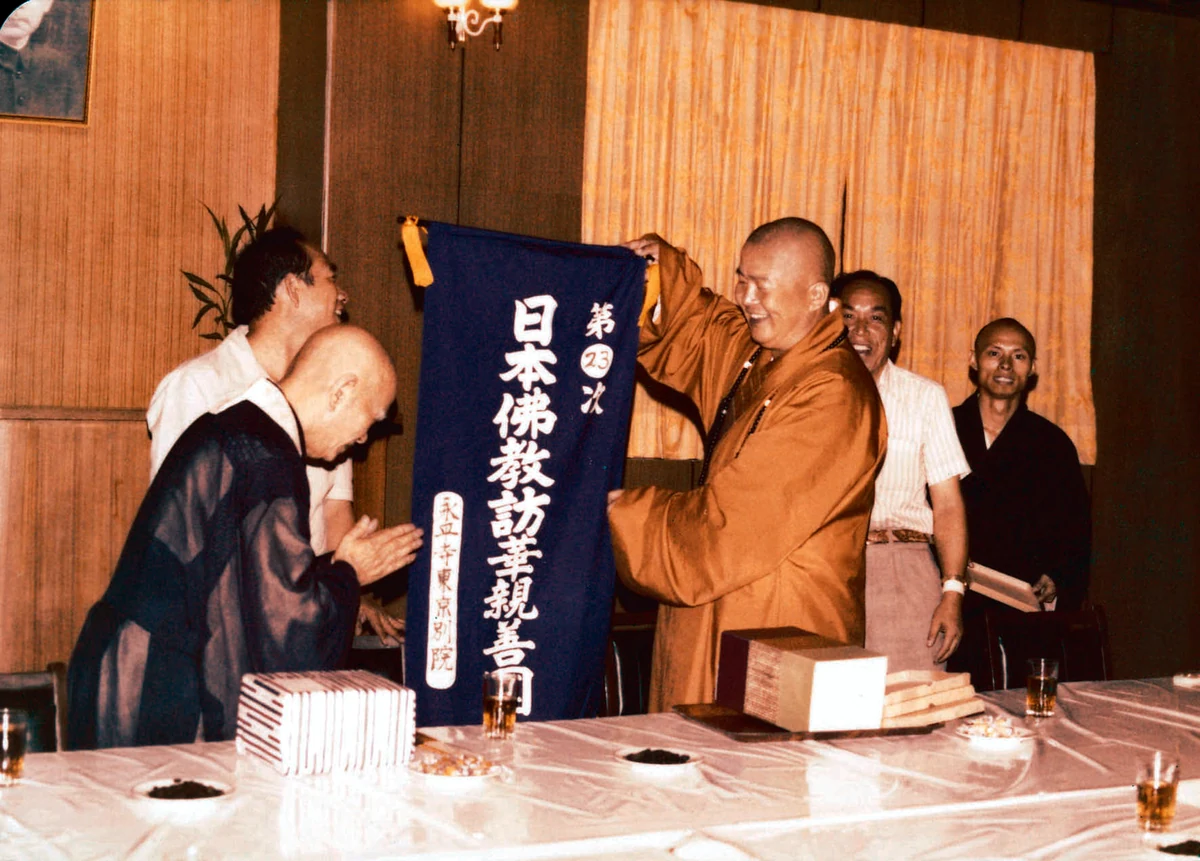
On August 29, 1976, Rempo Niwa, President of the "Association for the Promotion of Japan–China Buddhist Relations" and Vice Abbot of Eihei-ji, the head temple of Japan's Soto Zen sect, led a goodwill delegation of 24 members to visit Fo Guang Shan. Venerable Master Hsing Yun led the entire mountain community in a warm welcome, stating in his address that the delegation had contributed greatly to promoting friendship between Chinese and Japanese Buddhism, and that Buddhism should unite further to promote the brilliance of humanity.

Venerable Master said, "Rempo Niwa and I have mutual respect and appreciation. In 1973, Venerable Rempo Niwa and I served as presidents of the Association for the Promotion of Japan–China Buddhist Relations respectively. We mutually respected and cooperated with each other, with very frequent exchanges to promote Buddhist relations. In 1977, he also visited Tokyo. At that time, he hosted a banquet for them at the Eihei-ji Tokyo Betsuin. We agreed on the necessity of mutual exchange between the two regions' Buddhism, and I concurred with his view."

1976/11/1

Buddhism's First Retirement Home for the Elderly: Fo Guang Vihara Opens

In 1976, "Fo Guang Vihara" opened, Buddhism's first retirement home for the elderly. The hope was to provide retirement care for senior benefactors who had contributed to Buddhism, repaying kindness on behalf of Amitabha Buddha. Buddhist temples often tell devotees who make donations: "Infinite merit! To volunteers who contribute labor, they also say: "Infinite merit! Amitabha Buddha will welcome you in the future."

Venerable Master Hsing Yun said, "Every time I hear such statements, I think: 'Devotees have dedicated themselves to Buddhism, why should we trouble Amitabha Buddha to repay this kindness? What have we Buddhist disciples done for Buddhism? Why should we ask Amitabha Buddha to express thanks? How can we shirk responsibility and enjoy the fruits without effort?'"

Venerable Master said, "We should not let Amitabha Buddha repay kindness on our behalf; we should take responsibility for expressing gratitude ourselves. For example, Layman Chao Mao-lin often went to prisons to propagate Buddhism for over 20 years. When he passed away, I also enshrined his remains at Fo Guang Shan's Longevity Park... Layman Ke Pen-chieh helped compile the Fo Guang Dictionary of Buddhism. In his later years, I welcomed him and his wife to live at Fo Guang Vihara to enjoy their remaining years."