mobile menu button

1947-1956

Life of Pursuit

1947 (Age 21)

1948 (Age 22)

1949 (Age 23)

1950 (Age 24)

1951 (Age 25)

1952 (Age 26)

1953 (Age 27)

1954 (Age 28)

1955 (Age 29)

1956 (Age 30)

1947

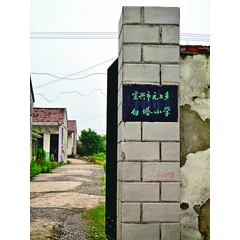
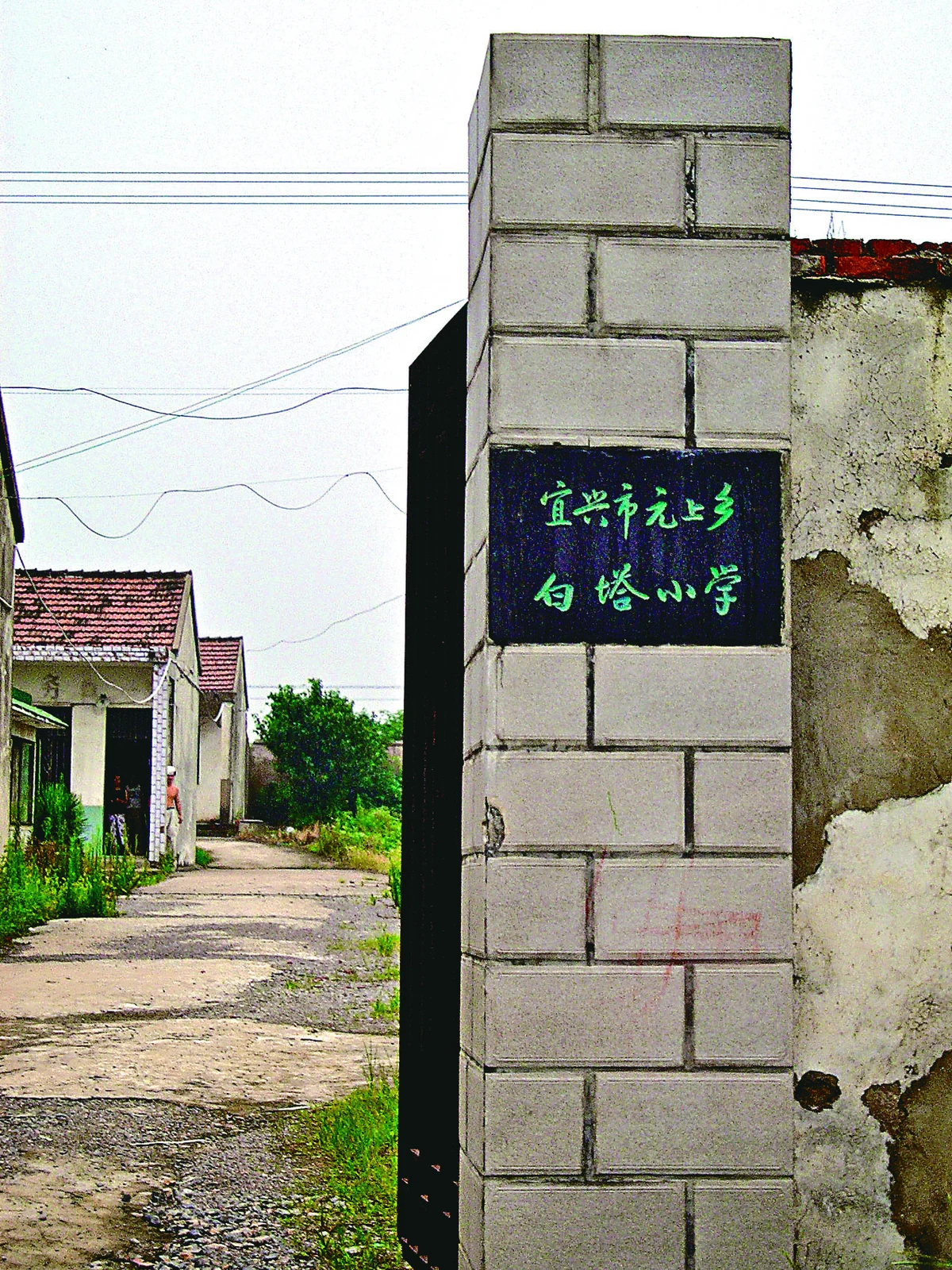
Serving as Principal of Baita Elementary School

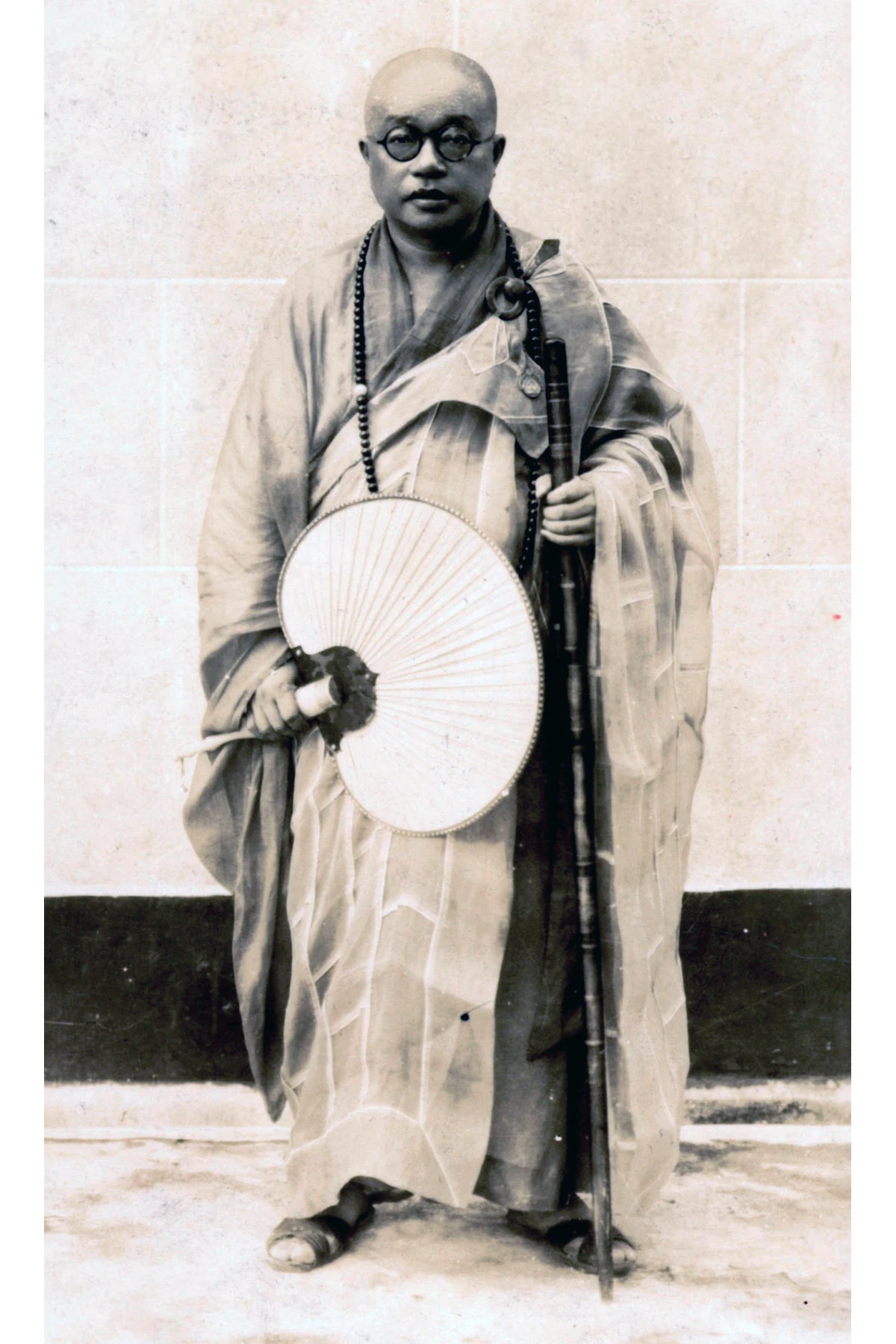
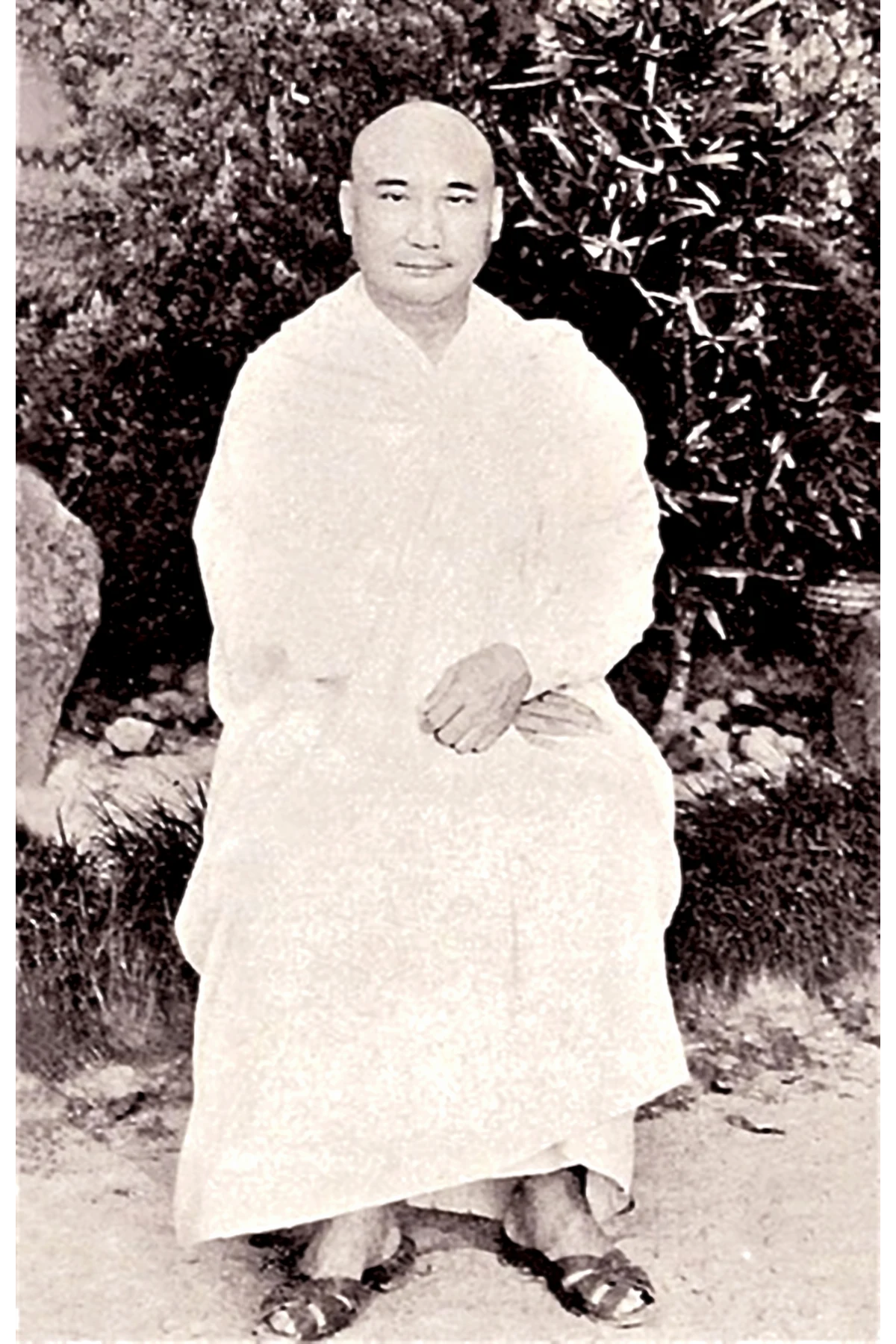
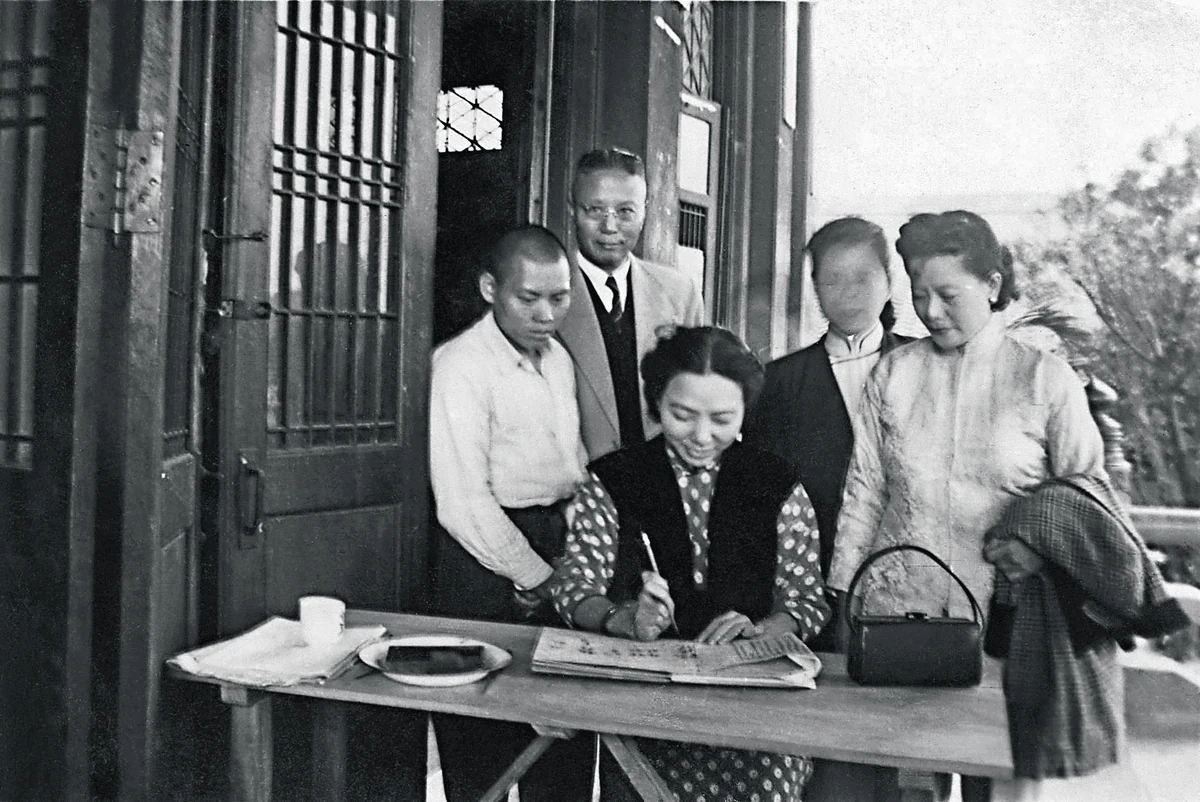
At the invitation of the Yixing Education Bureau, Venerable Master Hsing Yun served as the principal of Baita Elementary School, served as the editor-in-chief of Raging Billows Monthly, and later returned to Nanjing to serve as abbot of Huazang Temple, where he promoted the "New Buddhist Movement."

1947

Co-founding Raging Billows Monthly with Venerable Zhiyong

Venerable Master Hsing Yun said that in 1947, given the nation's precarious state, the dispersion of people's hearts, and the decline of Buddhism, which offered no remedy for the times, he went about raising funds everywhere. In Yixing, he co-edited Raging Billows Monthly with Venerable Zhiyong, promoting the way to revive Buddhism and save the nation. Since everyone cooperated naturally and shared the same ideals, the publication flourished and received much praise. Although this was a mimeographed publication, because Venerable Zhiyong's stencil calligraphy was exceptionally fine, Raging Billows Monthly became even more popular than some typeset publications. Even Hai Ch'ao Yin Monthly, the most authoritative magazine at that time, introduced Raging Billows Monthly in consecutive issues over two years, and the editor Venerable Daxing wrote in bold headlines: "We have gained another fresh force!" This gave them tremendous encouragement. Although only 500 mimeographed copies were distributed, thanks to Venerable Daxing's public recommendation, Raging Billows Monthly's prestige immediately increased tenfold. Raging Billows Monthly published over 20 issues, calling on the younger generation through the magazine to devote themselves to Buddhism and reform its corrupt practices, leading Buddhism toward new horizons.

1947

Mistakenly Accused of Collaborating with the Enemy; Imprisoned for Ten Days

When Venerable Master Hsing Yun was serving as Principal of Baita Elementary School in Yixing, the Chinese Civil War was raging. Every day, both sides sent armed personnel to search for suspicious persons. People being arrested and shot or beaten were a daily occurrence, with many dying unjustly. The normally peaceful and simple countryside was suddenly filled with tension and suspicion.

Venerable Master said, "One day, he was inexplicably taken away. After being imprisoned for ten days, on his way to the execution ground, he felt the world before him turn dim and yellow. He was not afraid of death, but felt regret: 'I am only 21 years old. What a pity! So many ideals and aspirations yet to be realized, and I am about to die. Life is truly like a water bubble, about to vanish without a trace in an instant. And my master, grandmother, and mother don't even know.' As he was thinking this, suddenly someone came and led him out of the execution ground, and he escaped death.

From this experience of escaping death, he realized the truth of his grandmother's words: 'When facing death, do not panic!' Indeed, panic serves no purpose!"

1947/3/17

Passing of Master Taixu: An End to the Divine and Human Eye

The Committee for the Systematization of Chinese Buddhism was preparing to hold its first conference in Nanjing and planned to elect Master Taixu as Chairman. Unfortunately, on March 17, 1947, Master Taixu passed away in Shanghai at the age of 59. When the news came, they felt as if the sky had collapsed and the earth had cracked, "the eye of humans and devas is extinguished." The expression "like losing one's parents" could not adequately describe their feelings at the time; they were even more devastated than if they had lost their parents.

Venerable Master Hsing Yun said, "It felt as if the age of the Dharma's decline had arrived, and the world seemed dark and without light. We had originally felt that Master Taixu had the qualities to be a leader, and we were willing to follow him. We never expected that suddenly our hopes would be shattered. We knew that the troubled Chinese Buddhism still had a long and difficult road ahead."

1948

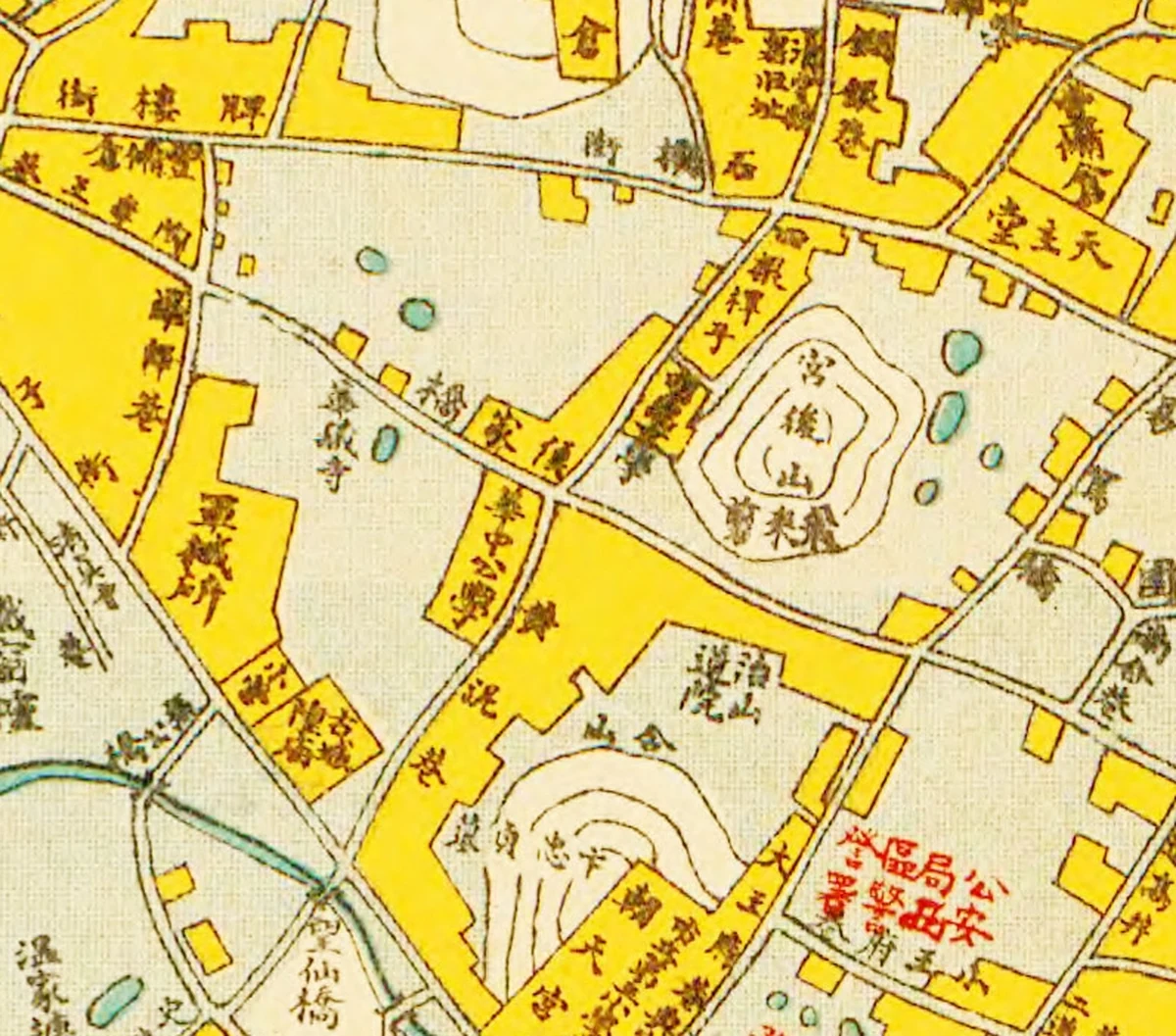
Jointly Managing Huazang Temple with Venerable Zhiyong

Venerable Master Hsing Yun recounted that because the flames of the Chinese Civil War had spread to Yixing, with Nationalist troops conducting sweeps during the day and Communist Liberation Army troops patrolling at night, it was difficult for them to live in peace. Fortunately, their Raging Billows Monthly had gained some readers after publication, including Venerable Yinyun, the abbot of Huazang Temple in Nanjing, who appreciated the magazine and thus entrusted the temple to their management.

Venerable Master said that he discussed with Venerable Zhiyong who should be abbot and who should be superintendent. Venerable Zhiyong said that since Venerable Master was taller and more imposing, he looked more like an abbot; Venerable Master said that Venerable Zhiyong's education and abilities far exceeded his, so he should be abbot. In the end, they agreed not to worry about titles, the two of them would jointly manage Huazang Temple, making it a base for promoting the New Buddhism.

Soon, Venerables Nengpei, Weichun, and Jingshan all came from various places, and Venerable Shiquan also hurried from Mount Putuo to join them.

1948

Promoting the "New Buddhist Movement" at Huazang Temple

Together with Venerable Zhiyong, with their hearts set on reviving Buddhism, they discovered many corrupt practices at Huazang Temple in Nanjing and immediately began making improvements. They established new rules of conduct, reformed the system of ritual services for the deceased, and formulated monastic regulations.

1949

Organizing the "Monastic Rescue Team" and Coming to Taiwan

In the early period, Venerable Master Hsing Yun drifted without a fixed place, and was once imprisoned for 23 days. Fortunately, he was rescued through the efforts of Mrs. Sun Chang Ching-yang (wife of General Sun Li-jen), Mr. Wu Ching-ming (father of former Taiwan Provincial Chairman Wu Kuo-chen), Legislator Tung Cheng-chih, Ting Chun-sheng (Member of the Control Yuan), and others. He was later given lodging by Elder Venerable Miao Guo of Yuan Kuang Ch'an Monastery in Zhongli, and Venerable Master volunteered to serve the temple and guard its mountain forests. With the guarantee of Mr. Wu Hung-lin (father of former KMT Chairman Wu Po-hsiung), successfully obtained his identification documents and was able to remain in Taiwan.

1949

Given Shelter by Elder Miao Guo; Volunteering for Labor

Venerable Master Hsing Yun recounted that as members of the Monastic Rescue Team gradually dispersed and the group disbanded, he had to find his own way. After being turned away from several places, he was finally given lodging by Elder Most Venerable Miao Guo of Yuan Kuang Ch'an Monastery in Zhongli. Most Venerable Miao Guo was the Chairman of the Hsinchu Buddhist Association.

Since the temple lacked young helpers, he volunteered to draw 600 buckets of water daily from the well to supply all 80 people in the monastery. Besides drawing water, he also had to go to town to buy provisions. He would set out under the sparse moonlight, pulling a handcart along 15 li of dusty roads to fetch the day's oil, salt, rice, and firewood. When others cleaned the latrines, they simply flushed them with water; when he cleaned them, he preferred to scrub and brush by hand, not stopping until every trace of filth was completely removed. This work brought him great benefit, for when the mind is pure, everything in this world is inherently undefiled in its true nature. These laborious tasks were already familiar to him, so he did not find them burdensome.

1949

Falling into a Deep Ravine with the Bicycle; Miraculously Unharmed

While staying at Yuan Kuang Ch'an Monastery in Zhongli, Venerable Master Hsing Yun would wake up every morning at 4:30, pulling a handcart to Zhongli town to purchase daily necessities (oil, salt, rice, vegetables) for the 80 people at the monastery. The round trip took about five or six hours. To save time, he also learned to ride a bicycle, sometimes cycling to the small market in "Dalun" when there were fewer items to buy.

Venerable Master said, "My bicycle skills were not very good. One day, as usual, I was riding his bicycle to town. As I traveled along a narrow path, I suddenly saw two young children walking toward me from a distance. In my alarm, I shouted, 'Get out of the way!'" Because he shouted so forcefully, both the bicycle and him were suddenly launched into the air, then fell into a deep ditch, about three stories down.

When he fell, his head struck the ground first, hitting a large rock squarely. Immediately he felt dizzy and saw stars, with everything spinning, as though the sun and moon had lost their light. He thought: "This time I'm surely dead!" He does not know how long it was before he managed to sit up. The bicycle lay in pieces scattered all around, but he himself was miraculously completely unharmed, not a single scratch.

1949

Mr. Wu Hung-lin Provides Guarantee; Successfully Obtains Taiwan Entry Permit

In 1949, after Venerable Master Hsing Yun settled at Yuan Kuang Ch'an Monastery in Zhongli, for safety reasons, the first thing to do was to register his household. Although he had identification, registering required a Taiwan Entry Permit, which he did not have, making registration impossible. Venerable Master said that fortunately, Venerable Chih Tao told him that if he could find Mr. Wu was willing to help. Mr. Wu Hung-lin was then a member of the Taiwan Provincial Consultative Council, and Chairman of the Provincial Police People's Association. With his guarantee, the household registration was completed, enabling the Venerable Master to establish himself in Taiwan. Thus began a deep and lasting relationship with the Wu Po-hsiung's family through the generations.

Note:
Mr. Wu Po-hsiung. To repay Mr. Wu's kindness in making his stay in Taiwan possible, when the elder Mr. Wu passed away in 1995, Venerable Master was propagating the Dharma in the Philippines. Upon hearing the news, he specially returned to Taiwan early to preside over the memorial service. This act deeply moved Mr. Wu Po-hsiung, and in his many subsequent speeches, he always told people that Venerable Master is a person of "sentiment and righteousness."

1949

Falsely Accused of Being a Communist Spy; Imprisoned for 23 Days

Venerable Master Hsing Yun said that while living at Yuan Kuang Ch'an Monastery in Zhongli, he was busy every day sweeping and cleaning, serving the community through manual labor, and was finally able to settle there temporarily. Although Elder Most Venerable Miao Guo provided for his daily needs, safety could not be guaranteed. One day, the government suddenly ordered the arrest of all monastics from Mainland China. That day, while pulling his cart to purchase supplies, he was stopped by the police on the street and inexplicably detained. Because Venerable Master could not speak Taiwanese and there was a language barrier, he had no idea why he was imprisoned. Among them were Venerable Tzu Hang in Taipei and Venerable Lü Hang, a former Army lieutenant general, who was also staying at Yuan Kuang Ch'an Monastery. Fortunately, the arrest of so many monastics alarmed numerous lay Buddhist supporters, including Mrs. Sun Chang Ching-yang (wife of General Sun Li-jen), Mr. Wu Ching-ming (father of Chairman of Taiwan Provincial Government, Mr. Wu Kuo-chen), Legislator Tung Cheng-chih, Control Yuan Member Ting Chun-sheng, as well as Mr. Chao Hen-t'i and Mr. Chung Pa-yi. Through their collective efforts, their group of monastics was finally rescued.

1949

Guarding the Mountain Forest for Three Months; Writing Bells, Gongs and Wooden Fish

Venerable Master Hsing Yun said that while staying at Yuan Kuang Ch'an Monastery, at the instruction of Elder Most Venerable Miao Guo, he guarded the mountain forest at Fayun Temple in Miaoli day and night. "In a thatched hut on the mountain, lying on the cold ground, he completed Bells, Gongs and Wooden Fish. After its publication, it was very well received and gave him tremendous encouragement. He resolved to continue writing so that readers could feast on the Dharma."

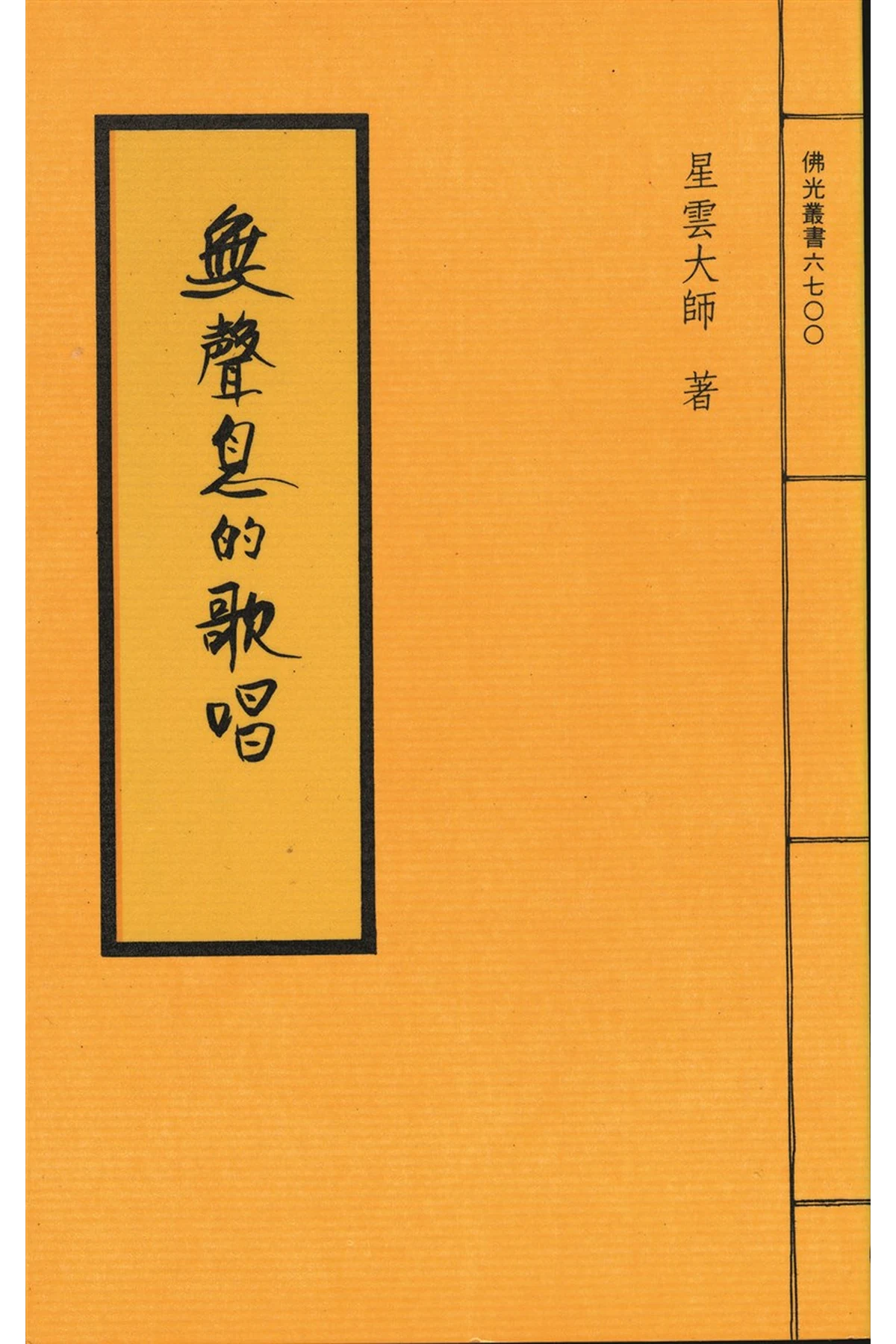
He also said that the twenty essays in Bells, Gongs and Wooden Fish were written over two years during chaotic times. They were serialized in Awakening Living Beings Magazine (Issues 10 to 27) and Bodhedrum (Issues 3 to 7). Using a prose style in which each object narrates in its own voice, he wrote about both sacred and ordinary items commonly seen in Buddhist settings. They were published as "Monologue No. 1," "Monologue No. 2," and so on.

1951

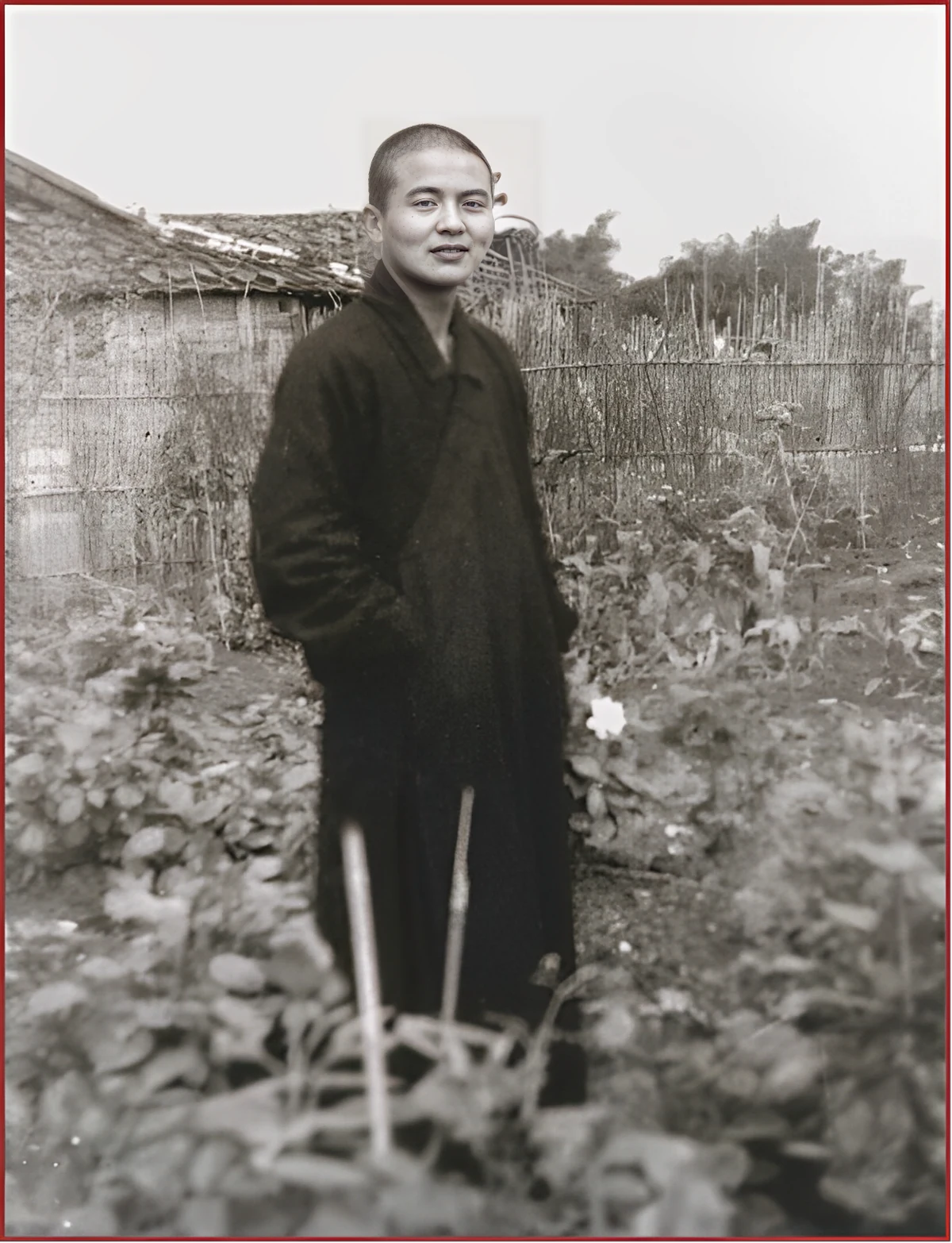
Serving as Dean of Academic Affairs at the "Taiwan Buddhist Seminar" at Green Grass Lake, Hsinchu

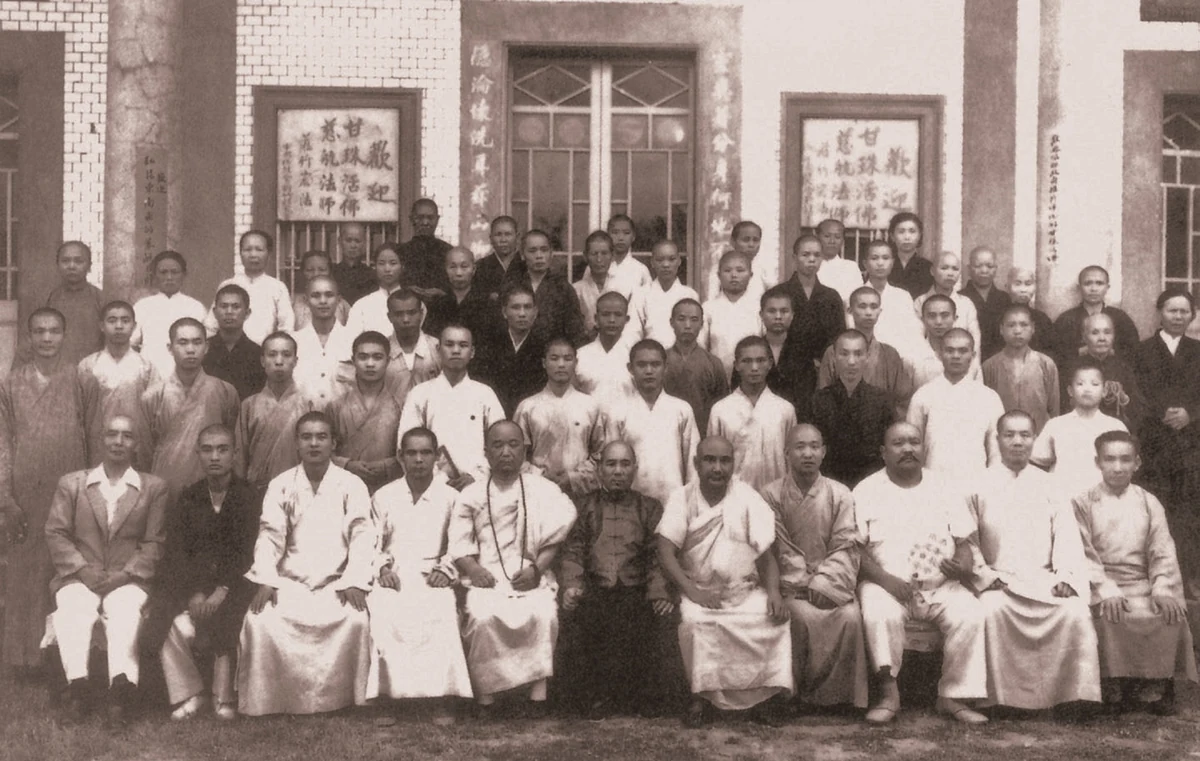
At the invitation of Venerable Daxing, Venerable Master Hsing Yun served as Dean of Academic Affairs at the "Taiwan Buddhist Seminar" (Buddhist College). This was another center for Sangha education after Venerable Tzu Hang came to Taiwan to establish a Buddhist college. It was also Venerable Master's first engagement in Sangha education since serving as Principal of Baita Elementary School.

November 1951

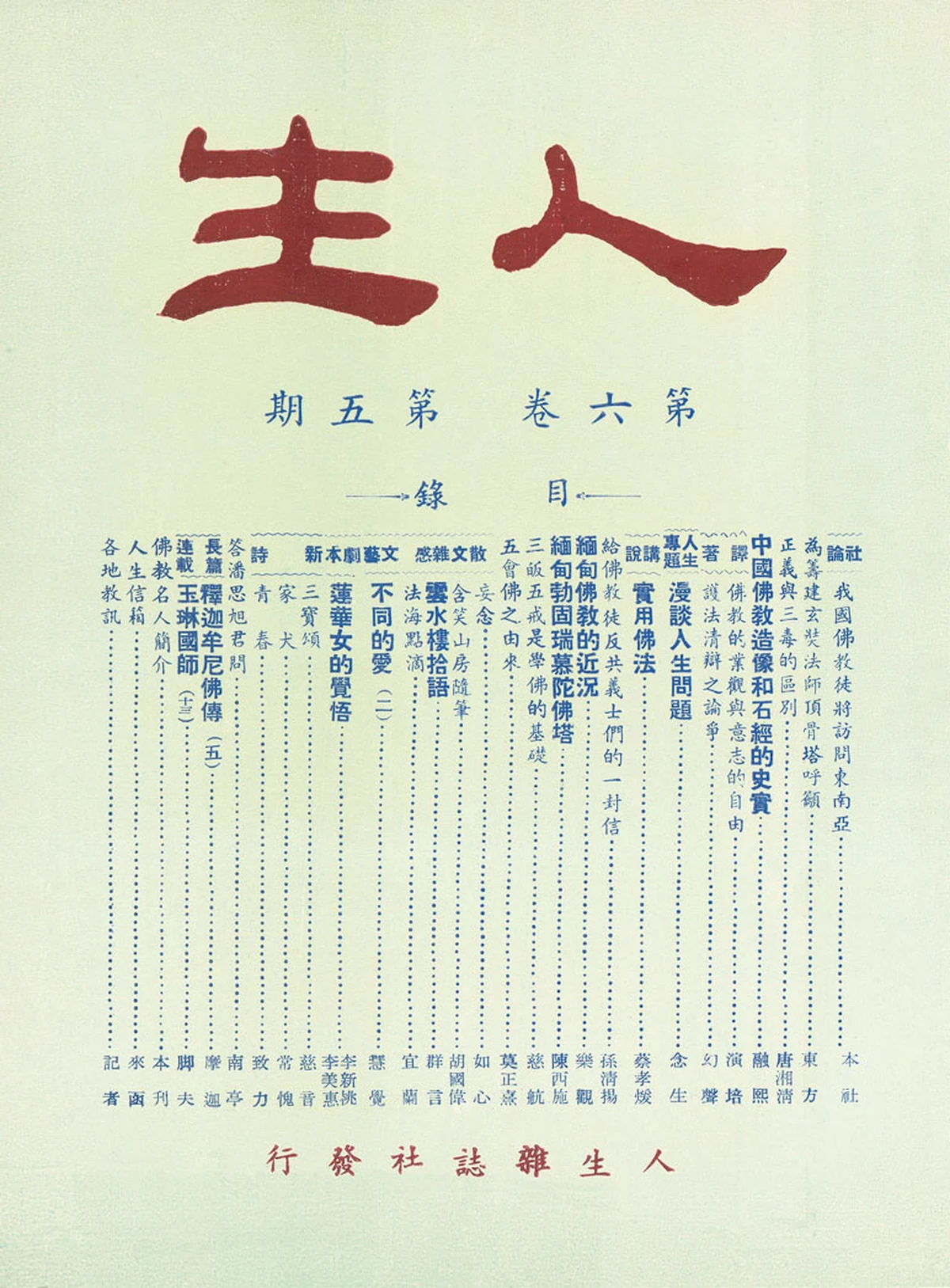
Serving as Editor-in-Chief of Human Life Monthly Magazine

In 1951, at the invitation of Venerable Dong Chu, Venerable Master Hsing Yun edited Human Life Monthly Magazine. He said that over the next six years, he not only wrote articles voluntarily to fill pages and handled all editorial miscellany, but also paid out of pocket for postage and transportation. Even so, he never concerned himself with titles or positions, nor did he complain about the heavy workload. He felt that at a time when Buddhism was in decline, being able to shoulder the important task of cultural education and transmit the Dharma in all directions was of extraordinary significance. For the sake of editing Human Life Monthly Magazine, Venerable Master once stayed for several months in a cabinet beneath the bone-ash urns in the columbarium at Shan Dao Temple in Taipei. Venerable Master said: "Worried they might fall on me, I joked with those departed spirits: 'Please, don't hurt me!'"

After the earthquake, casualties in Hualien were severe. Although he lacked both resources and money, he still used the name of Human Life Monthly Magazine to travel about everywhere, doing whatever little he could for the disaster victims living on the edge of life and death.

April 25, 1952

First Time Propagating the Dharma Among the People

Venerable Master Hsing Yun recounted that his first time propagating the Dharma among the public was at Guan Di Temple in Hsinchu. He said, "That was in 1952, when I was serving as Dean of Academic Affairs at the 'Taiwan Buddhist Seminar' at Lingyin Temple by Green Grass Lake in Hsinchu. Every week, at the invitation of Bhiksuni Hsuan Shen of the Hsinchu Buddhist Association, I would go to Guan Di Temple to teach a class. Throughout his lifelong path of propagating the Dharma, folk religion actually helped him greatly, because temple plazas throughout Taiwan welcome everyone, with no restrictions on who may use them. As long as you come to borrow the space, they are happy to provide it."

Venerable Master has borrowed temple plazas throughout Taiwan for propagating the Dharma, including Lungshan Temple in Wanhua, Guan Di Temple in Hsinchu, Chih Nan Temple in Taipei, Yuli Huashan Temple, Beigang Chao-Tian Temple, and Sun Fong Temple in Kaohsiung. In addition, libraries, school auditoriums, and factories everywhere, especially prisons, have been the places where Venerable Master has formed the most Dharma connections.

Note:
The "Taiwan Buddhist Seminar" opened on November 18, 1951, with its site at Green Grass Lake in Hsinchu.

January 15-29, 1953
(Lunar December 1-15, 1952)

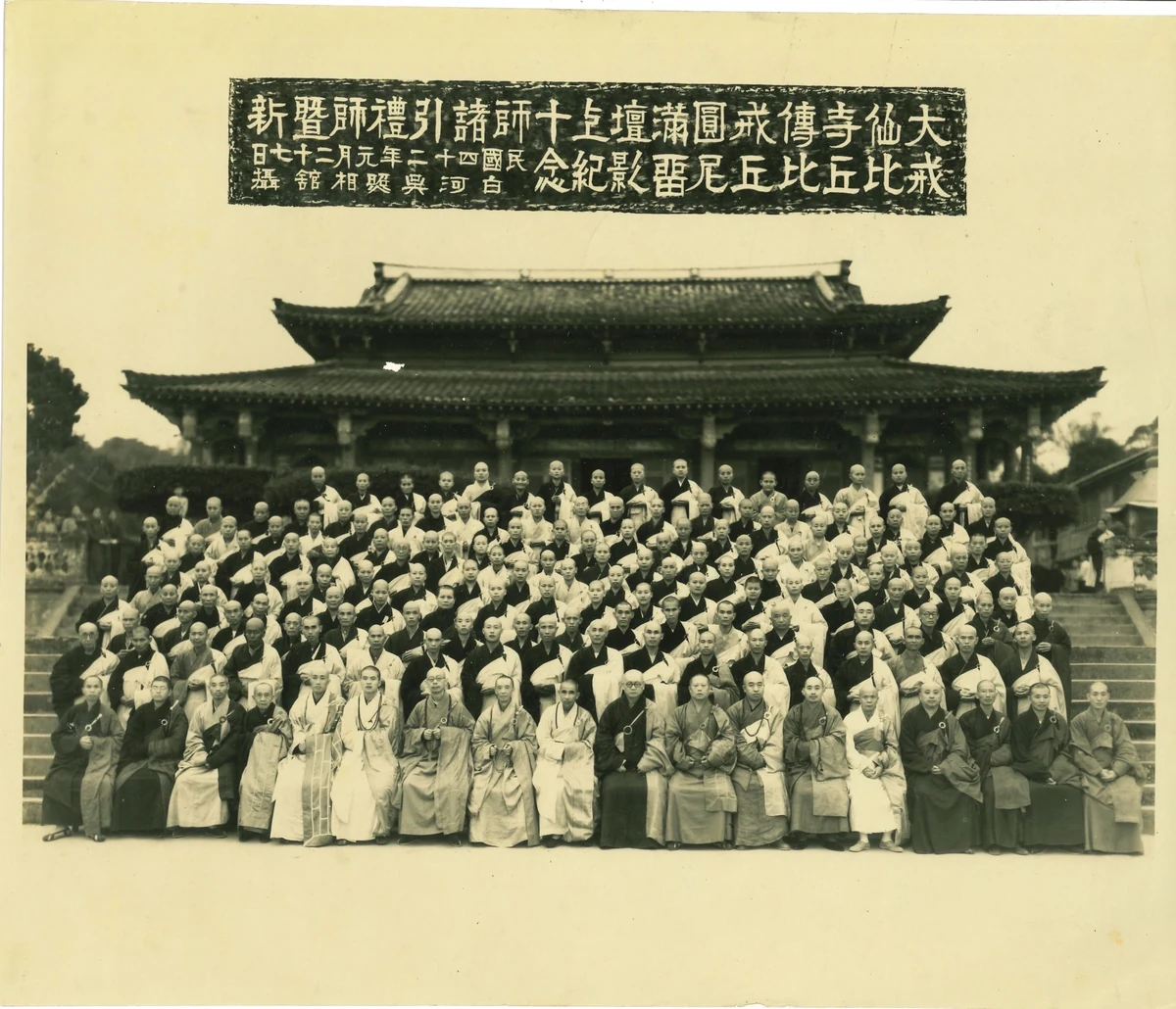
Serving as One of the Ten Masters at the Triple Platform Full Ordination Ceremony

The Buddhist Association of the Republic of China (BAROC) transmitted the Triple Platform Full Ordination Ceremony for the first time at Da Sian Temple in Tainan, and Venerable Master Hsing Yun served as one of the Ten Masters. That same year, at the age of 26, he was elected as a standing director of the BAROC, but immediately resigned, feeling that he was too young and inexperienced, and that he lacked even stable lodging or meals.

February 10, 1953

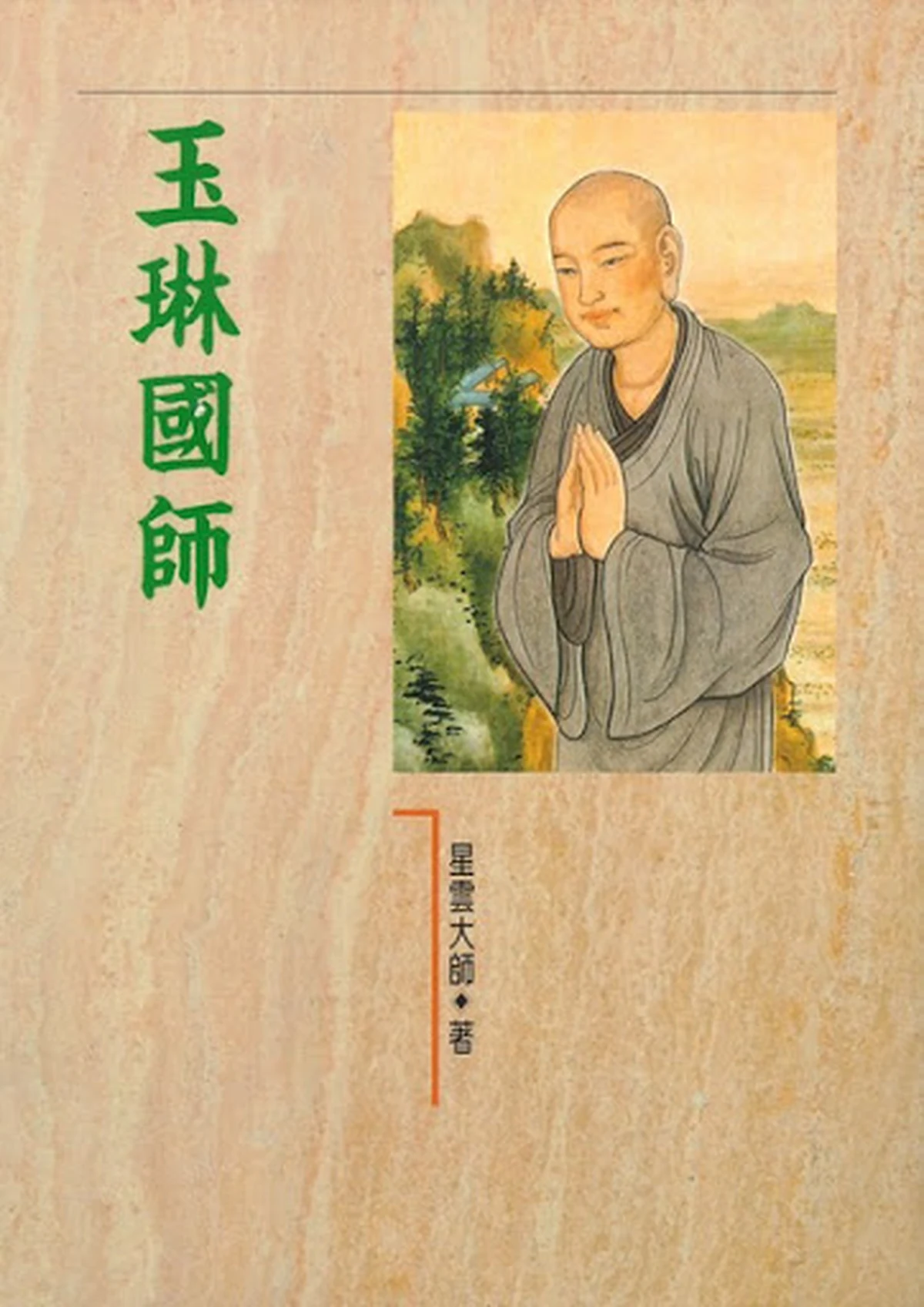
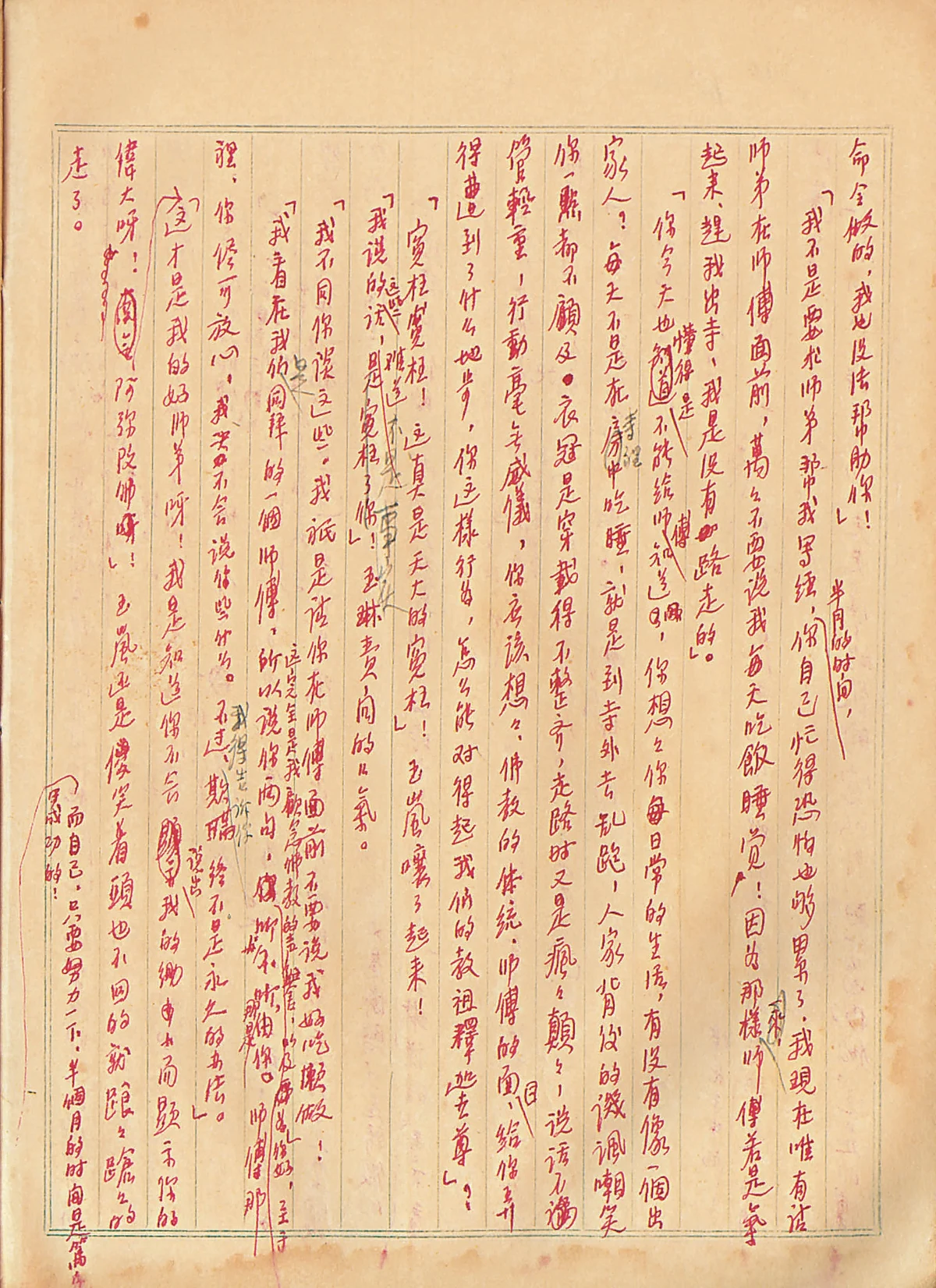
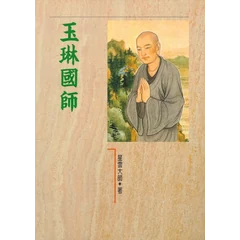
Writing the Buddhist novel National Master Yu Lin

Regarding the writing of National Master Yulin, Venerable Master Hsing Yun said:

"Once, Venerable Zhu Yun and I went to Yuchi Township in Nantou to propagate the Dharma. That night, we stayed at a farmhouse. In the countryside, there were no sanitary facilities, only a chamber pot in the room. The stench was so overwhelming I couldn't sleep. I woke up Venerable Zhu Yun, who was sharing the room:

'Hey, Zhu Yun! I can't sleep.'

'It's so late, why aren't you sleeping?'

'How can I sleep? The smell is unbearable!'

'It is bad, but just try to sleep!'

'I've tried many times but can't fall asleep. Won't you tell him a story?'

Venerable Zhu Yun had a mind full of historical anecdotes. He will publish the master's noble deeds in a magazine so that everyone can share them. Later, he published the story of National Master Yulin in Human Life Monthly Magazine under the pen name "Jiaofu" (lit. porter).

On May 1, 1954, National Master Yulin was published. If anyone asks: "Who bought the land for Fo Guang Shan?" So, one could say that National Master Yulin bought the land for Fo Guang Shan.

March 15, 1953
(Lunar February 1)

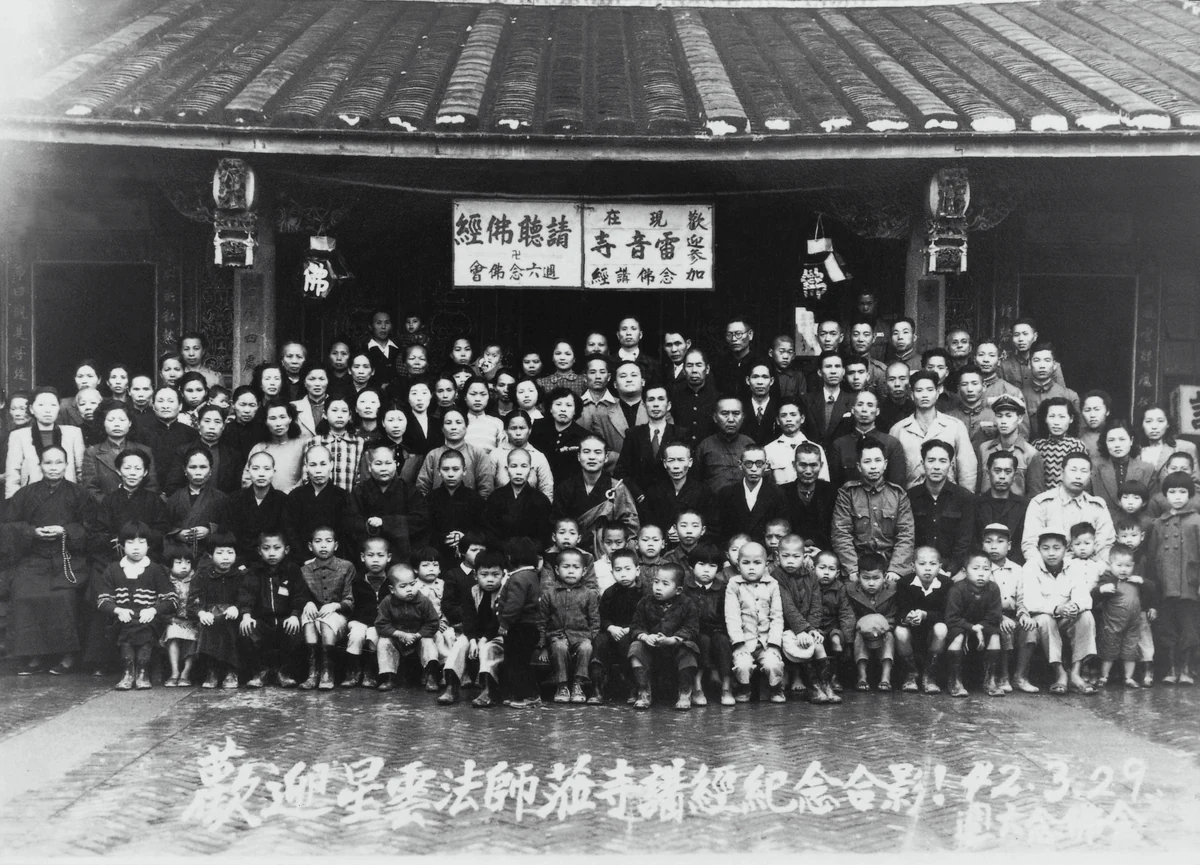
First Sutra Lecture: The Universal Gate Chapter

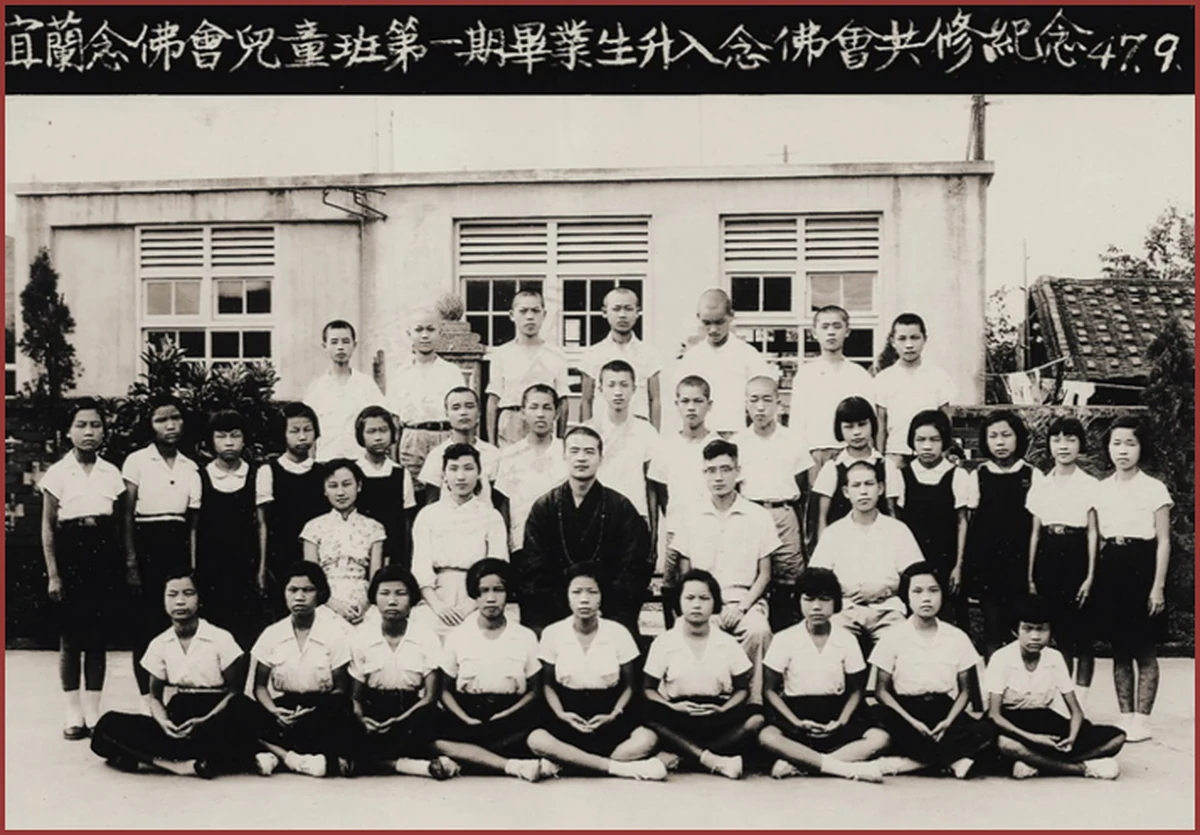
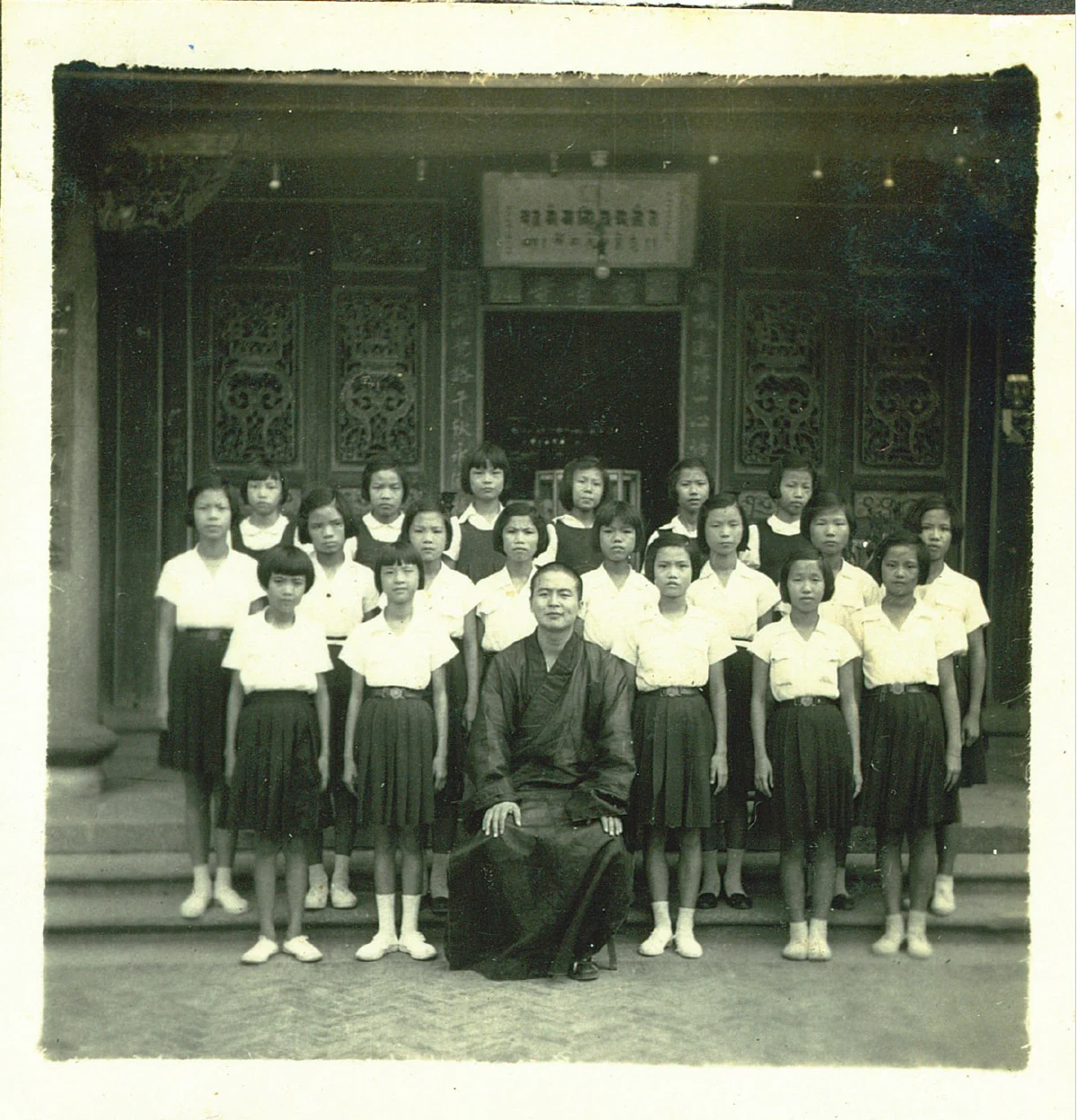
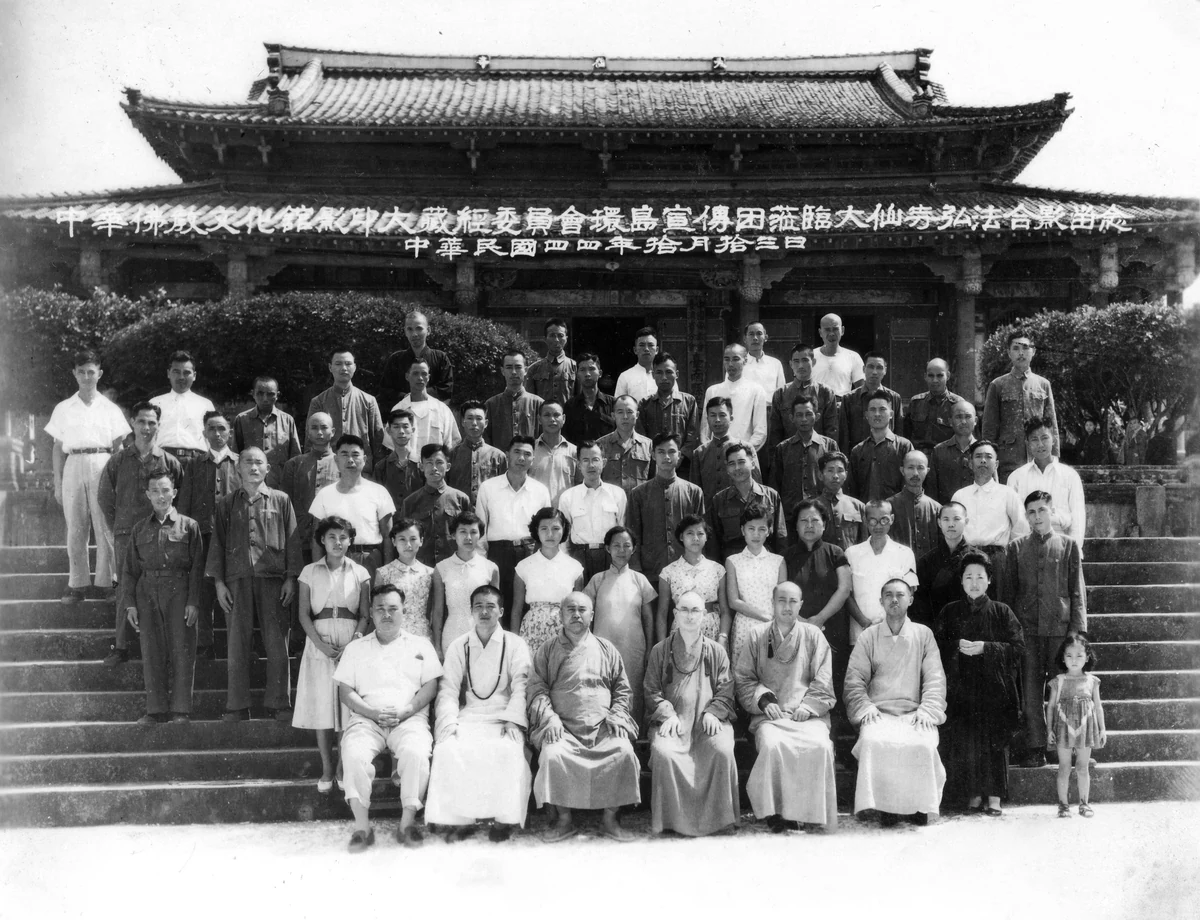
Venerable Master Hsing Yun recalled that in 1953, Mr. Li Chueh-he of Yilan invited him to lecture at the newly established Buddhist Chanting Association. Seeing Mr. Li's kind demeanor and sincere invitation, and noting that no one else was willing to go to such a remote area, he agreed immediately. Upon arrival, he discovered that Lei Yin Temple, a small temple of the Longhua sect of the Zhai Jiao (Taiwanese folk vegetarian religion), was occupied by three military families, each living in a corner, leaving only a small Buddha hall. Venerable Master said, "That was the first sutra lecture of his life. At that time, Venerable Master spent 20 days lecturing on the "Universal Gate Chapter of Avalokitesvara Bodhisattva." The audience grew more enthusiastic each day, and on the final day, 108 people took refuge, quite a remarkable turnout for Taiwan at that time. Using this location as a base, he established the Buddhist Chanting Association, Dharma Propagation Team, Buddhist Choir, and Children's Class, catalyzing the early development of Buddhism in Taiwan. From Taiwan, Humanistic Buddhism spread to five continents, making Yilan the birthplace of Humanistic Buddhism, truly fulfilling the old saying, "Unintentionally planted willows grow into shade."

1953

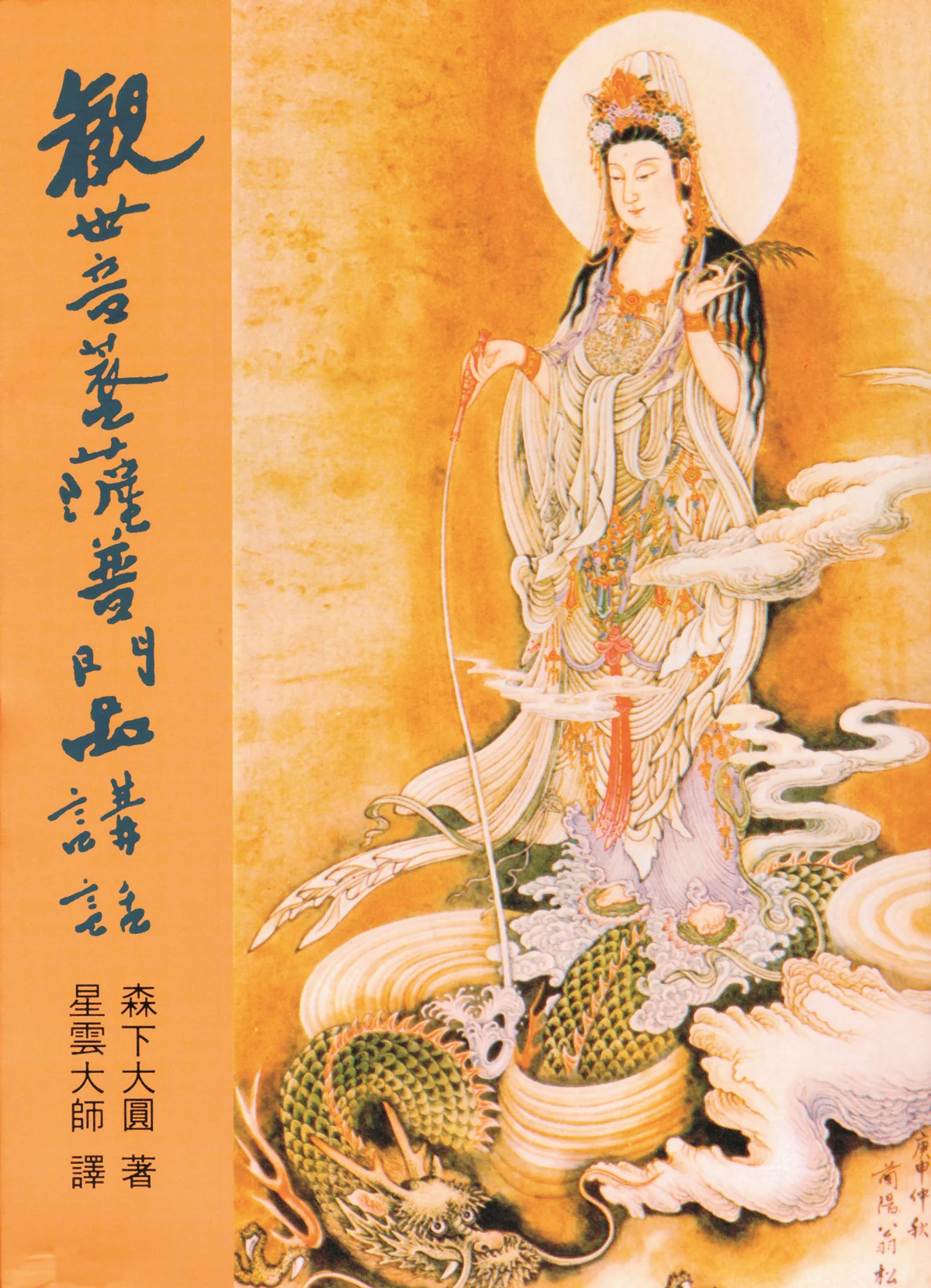
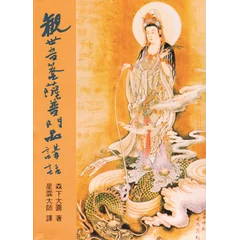
Publication of First Translated Work: Commentary on the Universal Gateway Chapter

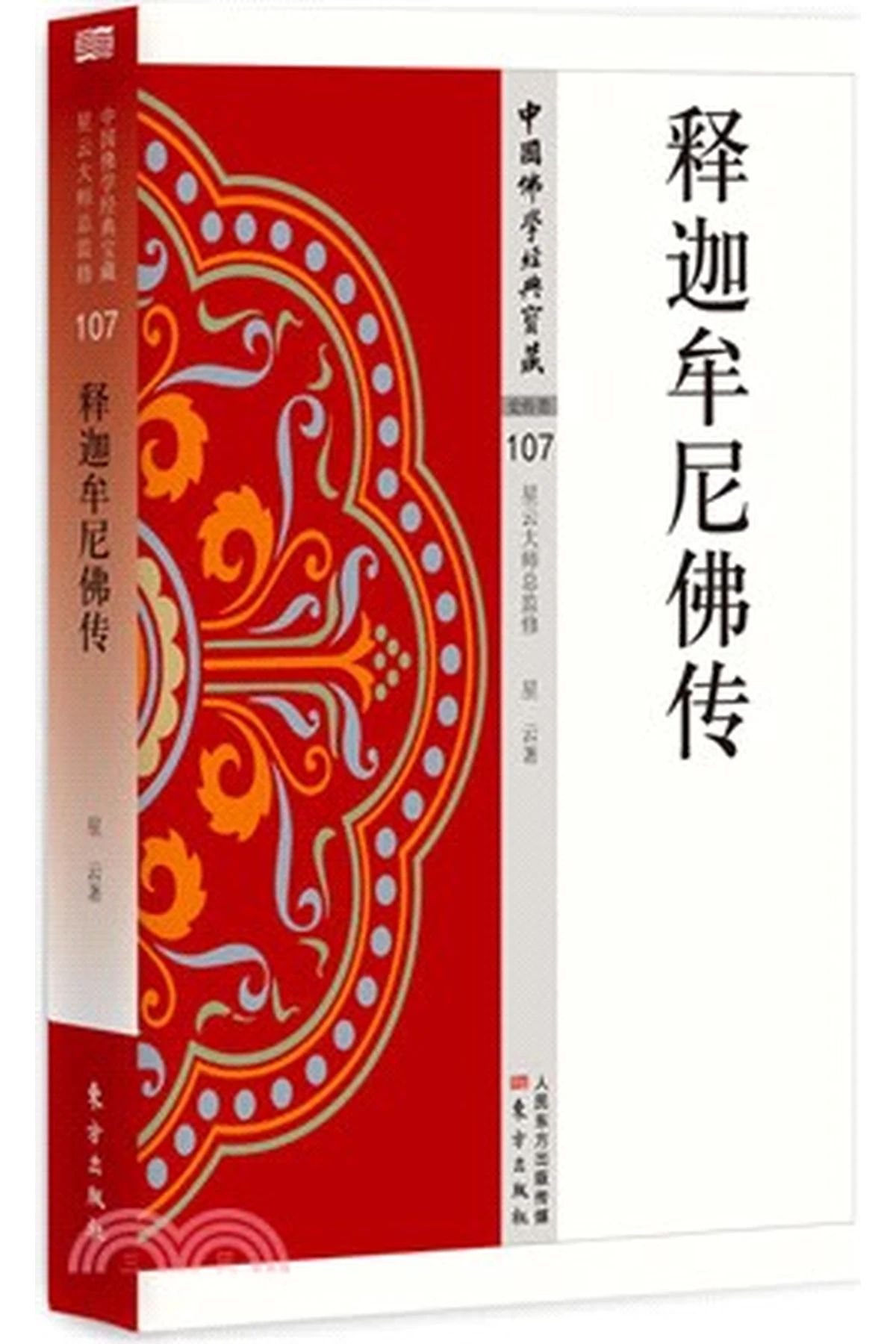
Venerable Master Hsing Yun recounted that in 1953, with only six months of Japanese language study, he translated and published Japanese scholar Morishita Daien's original work Commentary on the Universal Gate Chapter of Avalokitesvara Bodhisattva. Two years later (August 1955), the published Biography of Sakyamuni Buddha funded the construction of the Main Shrine.

He said, "When I was 25, I was teaching at the Taiwan Buddhist Seminar. Teacher Kuan Kai-tu kindly taught Venerable Yan Pei and I Japanese for six months during his spare time. With this small foundation in grammar, I translated a Japanese Buddhist text into Chinese that Venerable Chih Tao had given him. With papers donated by laywoman Wang Cheng Fa-lien, funding from Venerable Sheng Jui, transcription by Venerable Sheng Yin, proofreading by Venerable Hsin Wu, and calligraphy by Venerable Zhu Mo, the Chinese version of Commentary on the Universal Gate Chapter of Avalokitesvara Bodhisattva was finally published!

Additionally, one could say that Sakyamuni Buddha himself built Fo Guang Shan's Main Shrine. Because Venerable Master wrote Biography of Sakyamuni Buddha in 1955, and this book has been reprinted over 50 times and distributed worldwide, he used those royalties to fund the construction."

1953

Serving as Guiding Teacher of the Yilan Buddhist Chanting Association at the Invitation of Local Gentlemen Li Chueh-he and Ma Teng

In early 1953, at the invitation of Yilan Gentlemen Li Chueh-he and Ma Teng, Venerable Master Hsing Yun served as guiding teacher of the Yilan Buddhist Chanting Association. During this period, he organized group cultivation sessions, established the Buddhist Youth Choir and Dharma Propagation Team, Children's Class, Guang Hua Tuition Center, twice rebuilt Lei Yin Temple, established the Dharma Hall, conducted home visitations, and organized Buddha's Birthday float parades. These dynamic and proactive methods of propagation injected vibrant energy into Taiwan Buddhism at the time and laid a solid foundation for the spread of Humanistic Buddhism in Taiwan.

June 1953

Establishing the Buddhist Chanting Association: Group Cultivation Combined with Sutra Lectures

In the 1950s, Buddhist temples competed to hold Dharma services, but these were all promoted as sutra chanting for averting calamities or gatherings for vegetarian meals, having the name of "Dharma services" without its true essence. Given this situation, Venerable Master Hsing Yun said, "Besides adding Dharma talks to regular services, he responded to devotees' needs by establishing Buddhist Chanting Associations everywhere, combining group cultivation with sutra lectures. On one hand, this let everyone know the benefits of Buddhism and attracted more people to study Buddhism; on the other hand, it raised the standards of Buddhists. I organized the Saturday chanting sessions at Lei Yin Temple into the Yilan Buddhist Chanting Association. From then on, every Saturday they held 'Group Buddha-name Recitation,' followed by Dharma talks. Subsequently, the Taipei Buddhist Chanting Association, Longyan (Sugar Factory) Buddhist Chanting Association, Toucheng Buddhist Chanting Association, Luodong Buddhist Chanting Association, and Huwei Buddhist Chanting Association were successively established, with Venerables Chen Hua, Cheng Yi, and Zhu Yun respectively taking charge. Together we hoped to promote the development of Buddhism in Taiwan. Although these Dharma halls were small in scale, they guided many people to study Buddhism and practice, nurturing countless Dharma-bodies and wisdom of lives."

1953

Establishing the "Buddhist Children's Sunday School"

From the Children's Sunday School in Yilan to the kindergartens and children's classes at various Fo Guang Shan branch temples, to the Chinese schools overseas, Venerable Master Hsing Yun said he deeply understood the saying "Children are the future masters of the nation" after running children's education for decades.

He said, "Although a kindergarten is just a small preschool educational setting, if creative teaching methods are used to instill correct life values in young children's hearts, when they grow up, they will naturally know gratitude, cherish their blessings, and strive for improvement."

Note:
Venerable Master established the "Buddhist Children's Sunday School" mainly hoping to cultivate physically and mentally healthy young people under the influence of Buddhist thought while nurturing Bodhi seedlings. Venerable Master also instructed Fo Guang Shan branch temples to establish "Children's Buddhist Classes" meeting once weekly, coordinated with adult practice times, allowing parents to participate in group cultivation with peace of mind. Through monastics or devoted laypeople leading children in chanting Buddha's name, prostrating, and explaining Buddhist stories, the aim is to nurture the next generation with diligence, frugality, gratitude, compassion, and wisdom.

July 17, 1953

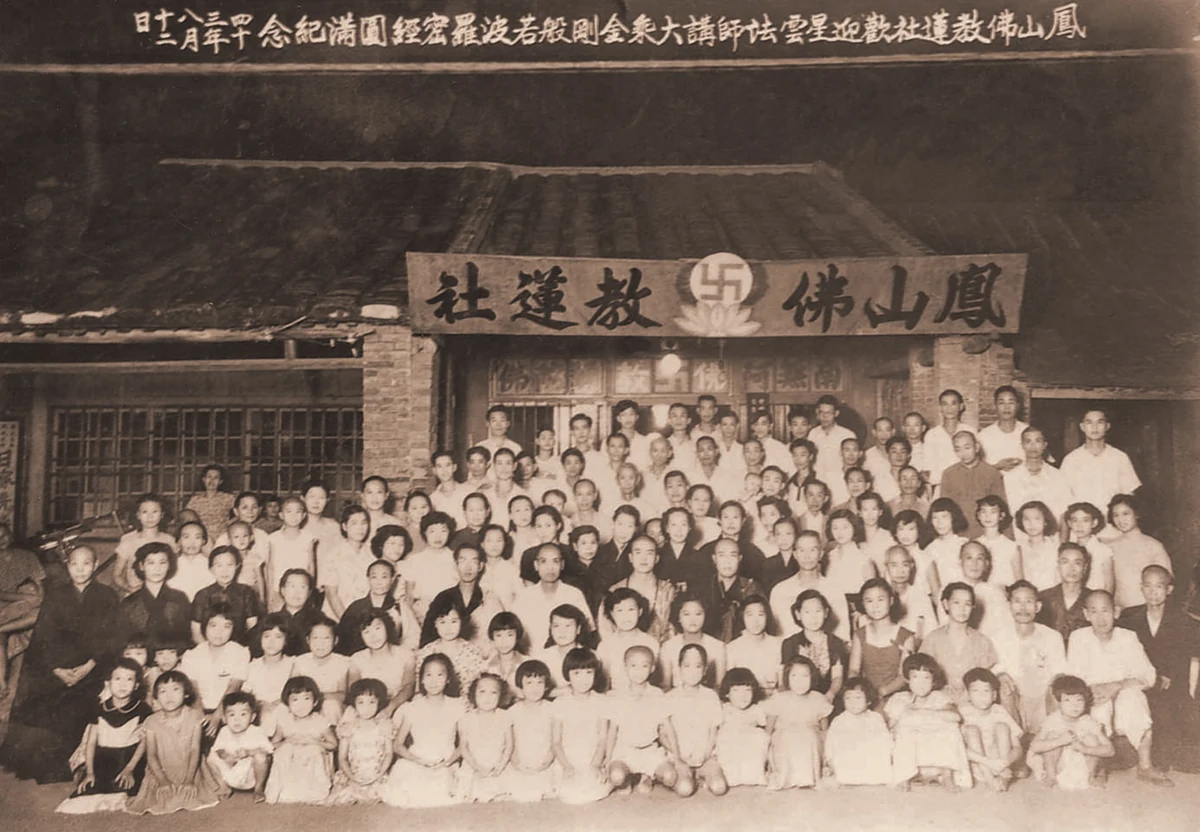
Completion of Fengshan Buddhist Lotus Society; initiating plans for Kaohsiung Buddhist Hall

In 1953, the Fengshan Buddhist Lotus Society in Kaohsiung was completed. At the invitation of its abbot, Venerable Zhu Yun, Venerable Master Hsing Yun delivered three lectures attended by more than 5,000 people.

Venerable Master said, "After the lectures, more than a dozen laypeople approached me and invited me to give a talk the next day at the Lingya District missionary station. They said they hoped to build a Buddhist center, and I donated 20 copies of my newly published Bells, Gongs and Wooden Fish to support them."

From then on, Venerable Master often went to Fengshan to assist Venerable Zhu Yun in propagating the Dharma. Fengshan and Lingya District are not far apart, and whenever those laypeople heard he was coming, they would flock over. Before long, they resolved to build a center, but at first they could not find suitable land. Later, they identified the site where Kaohsiung Buddhist Hall now stands.

Venerable Master had a devoted supporter named Chen Tzu Ju, whose relative Hung Ti-li was chairman of the Provincial Police People's Association and was known as the "underground mayor." They asked him to approach Chen Tzu Ju to discuss the matter with Hung Ti-li. Unexpectedly, he agreed immediately, on the condition that Venerable Master take responsibility as abbot. Understanding his good intentions, Venerable Master accepted, and thus began the journey of planning and building Kaohsiung Buddhist Hall.

October 8, 1953

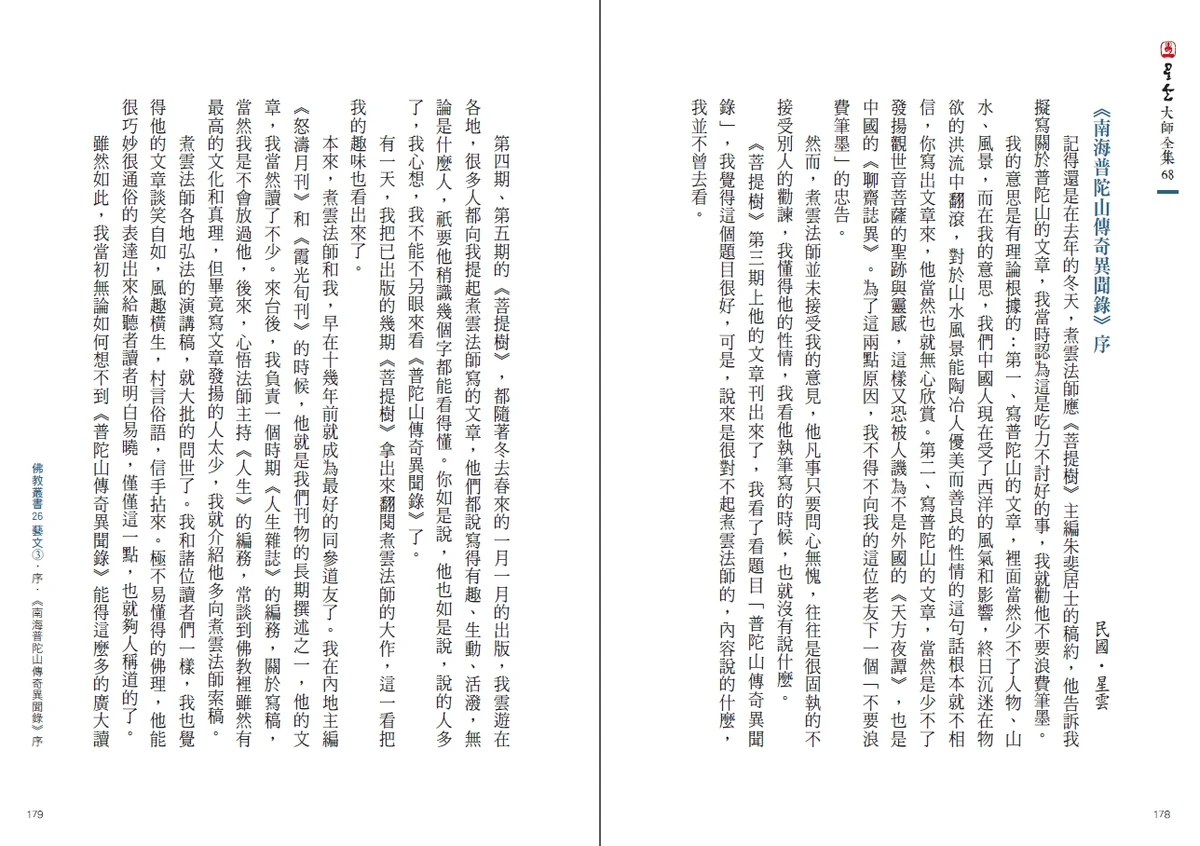
Writing the Preface for Venerable Zhu Yun's Legendary Tales and Miracles of Mount Putuo in the South Sea

In 1953, Venerable Master Hsing Yun wrote the preface for Venerable Zhu Yun's book Legendary Tales and Miracles of Mount Putuo in the South Sea, collected in Selection of Humanistic Buddhism Prefaces and Forewords in the Buddhism Series. When Venerable Master was editing Raging Billows Monthly and Light of Dawn (a ten-day periodical) on the mainland, he was already one of their regular contributors, so naturally he had read many of his articles. Later, when Venerable Hsin Wu took charge of Human Life's editorial affairs, they often discussed how, although Buddhism embodies the highest culture and truth, there were still too few people writing to promote it. Venerable Master therefore introduced him to Venerable Zhu Yun to obtain more manuscripts. As a result, Venerable Zhu Yun's lecture manuscripts from his Dharma propagation activities throughout the country were published in large numbers. Venerable Master finds his writing effortlessly humorous and entertaining, drawing on folk sayings with ease. He can express the most difficult Buddhist principles in an ingenious way for listeners and readers to understand. Even so, he never imagined that Legendary Tales and Miracles of Mount Putuo in the South Sea would gain such a vast and devoted readership.

November 1953

Establishing the "Chinese Tutorial Class" to Attract Youth

Venerable Master Hsing Yun recounted that in 1953, when he was invited to Yilan, besides giving talks and propagating the Dharma, he wrote for three monthly publications in Taipei and composed scripts for four radio stations, often writing through the night until dawn the next day. He would personally take his manuscripts to the post office to mail them, then return to the temple for morning service. Venerable Master said, "To open more avenues for young people to encounter Buddhism, I also established a Chinese tutorial class at the temple. In addition to teaching, I volunteered to correct the students' diaries and compositions, carefully explaining writing techniques and analyzing the strengths and weaknesses of their essays. I was delighted to see the students come to class each day with eager hearts, enthusiastically poring over the articles I had corrected, covered with red circles and marks."

Students from those years, such as Tzu Chuang, Tzu Hui, Tzu Jung, Tzu Chia, and later Tzu Yi and Yi Kong, all entered Buddhism because of their love for writing. Over the years, they have contributed greatly to Buddhist culture and guided countless people, this is a fact witnessed by all.

January 10, 1954

Beginning to Write Biography of Sakyamuni Buddha

In the preface to Biography of Sakyamuni Buddha, Venerable Master Hsing Yun said, "Biography of Sakyamuni Buddha was serialized in Human Life Monthly Magazine starting from Volume 6, Issue 1, under the pen name Mojia. In China, no decent vernacular biography of the Buddha representing the noble character of their savior Buddha, his profound wisdom and thought, and his compassionate vow to save people and the world had ever been published.

Writing a biography of the Buddha cannot be done with imagination alone, one cannot say a single word without basis. By the time Venerable Master had collected over a dozen biographies of the Buddha from China and abroad, combined with a copy of the Pinjia Canon at his side, he felt the Buddha's compassionate light protecting him, and the writing proceeded very smoothly.

April 4, 1954

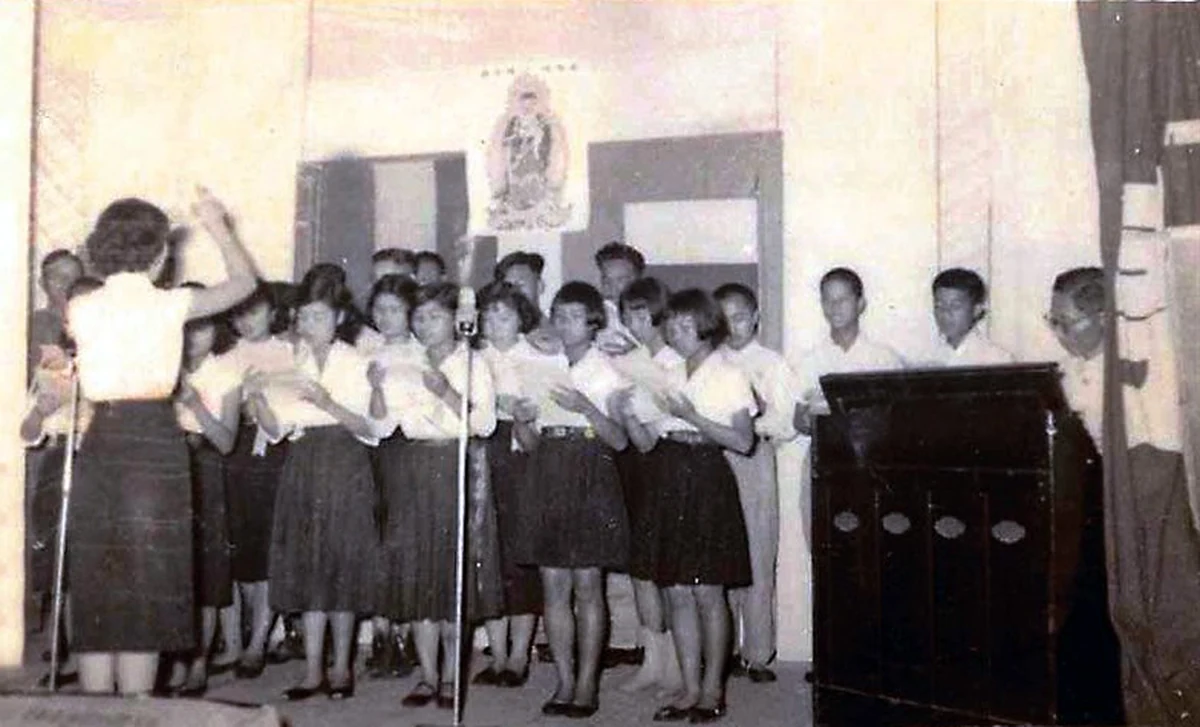
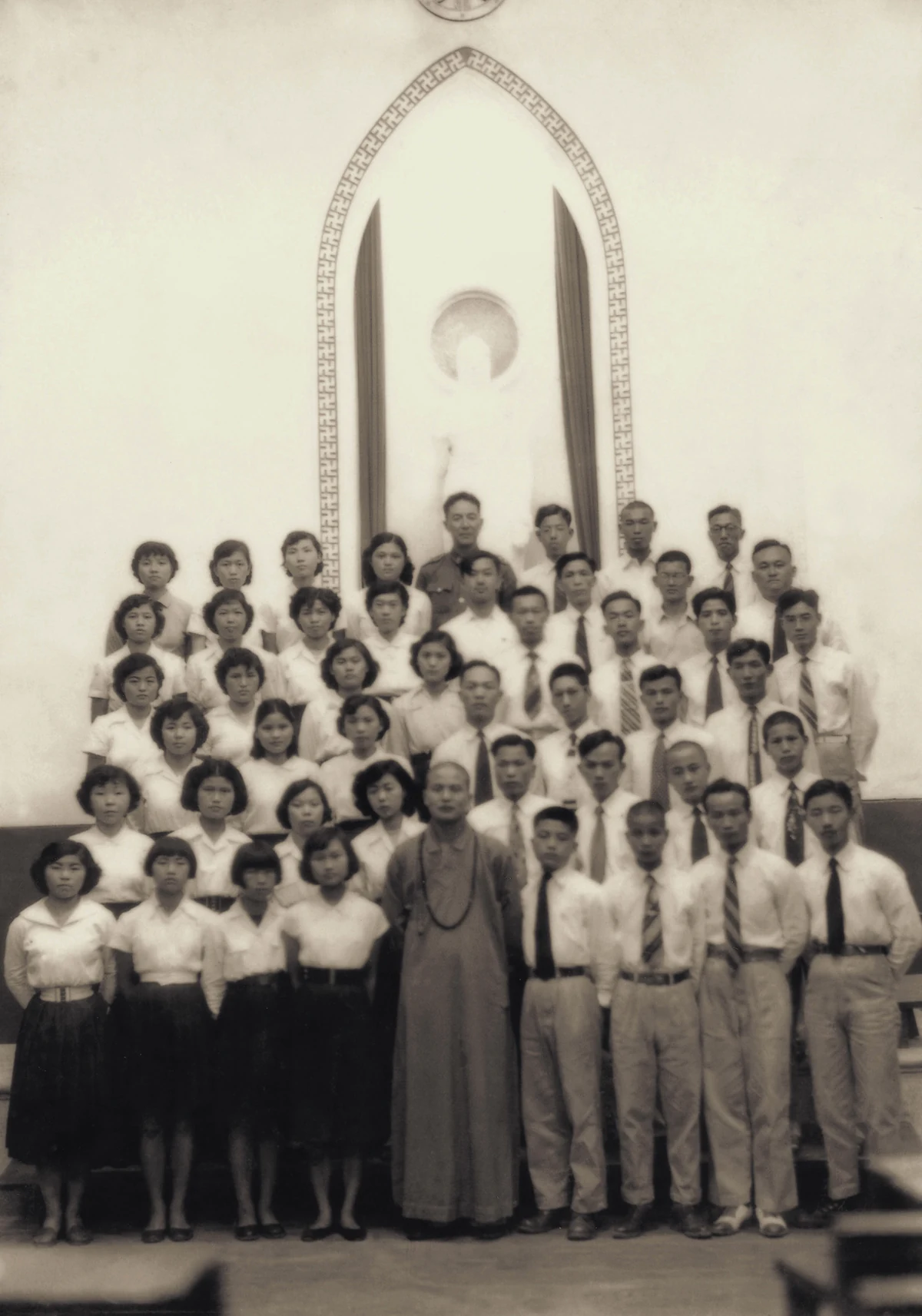
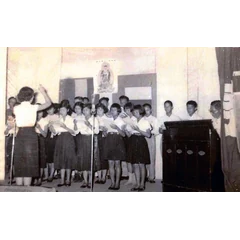
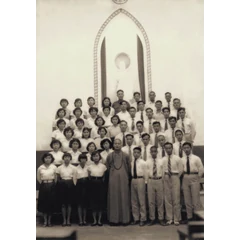
Organizing Taiwan's first "Buddhist Youth Choir"

When Venerable Master Hsing Yun first arrived in Taiwan, public awareness had not yet been awakened, and many people could not distinguish between Buddhism and folk religion. To help orthodox Buddhism reach people's hearts, he had to draw on all his ingenuity to design various activities. Yang Yung-pu to compose the music. Through singing, he brought outstanding local young people into Buddhism. These youths later formed Taiwan's first "Buddhist Youth Choir," accompanying him as he propagated the Dharma throughout the countryside.

At that time, Dharma propagation was carried out by beating drums and gongs and publicizing in advance along village roads. Lectures were illustrated with slides and picture stories. Each propagation trip involved groups of one to two hundred people, sometimes traveling by train, sometimes by bicycle, always setting out and returning filled with Dharma joy. The bicycle trips were especially memorable, riding out through wind and dust and returning under the stars, singing all the way back to Yilan.

The Buddhist hymn "Song of the Dharma Propagator" was composed in this atmosphere. In 1950s Taiwan, social customs were still conservative, yet this small team, with its vibrant songs, swept through the Lanyang area, sowing Bodhi seeds everywhere.

May 20, 1954

Writing "Greatness and Nobility: In Memory of the Most Revered Elder Tzu Hang"

On May 6, Elder Tzu Hang (Venerable Tzu Hang) passed away. Even as Venerable Master Hsing Yun wrote the eulogy "Greatness and Nobility: In Memory of the Most Venerable Elder Tzu Hang" with tears brimming in his eyes, the Elder was still alive in his heart, smiling like Maitreya Bodhisattva. Young monastics in Taiwan have all, to some degree, directly or indirectly, received the Elder's kindness. In the spring of 1949, when fleeing to Taiwan they felt lost and helpless, the Elder extended a helping hand. At that time, monastics were once misunderstood by the government. During the period of anti-spy operations, when even parents and children could not trust each other, Elder Tzu Hang shared their unjust imprisonment for a considerable time. The Elder did not merely speak of cherishing young monastics, he truly regarded them as his own life. He built the Maitreya Inner Hall with his bare hands, taking in more than half of the young monastics who came from the mainland to Taiwan. Who else possessed such a compassionate spirit and such a broad, accommodating heart?

Note:
"Greatness and Nobility: In Memory of the Most Revered Elder Tzu Hang" was published in Bodhedrum, Issue 19.

September 1954

Establishing the "Buddhist Youth Dharma Propagation Team"

Venerable Master Hsing Yun said he had some insight in discovering talent. For example, when he first came to Yilan to propagate the Dharma, many officers and students from the Signal Corps School came to attend lectures and engage in practice.

In 1954, he established the Buddhist Youth Dharma Propagation Team, leading young people to various towns to spread the Dharma, with Colonel Chiu Te-chien serving as team leader. There were also three captains: Yang Hsi-ming, Chou Kuang-yu, and Chu Chiao, known as the "Three Musketeers" of the Signal Corps School. Later, even Major General Jen Shih-chiang, the school principal, joined.

Yang Hsi-ming had beautiful handwriting, Yilan's first Buddhist Hymn Collection was printed from his handwritten manuscript. Chou Kuang-yu excelled at painting, the murals and posters for Tzu Ai Kindergarten were all designed and painted by him. Through his introductions, Venerable Master later became acquainted with famous writers of the cultural world such as Kuo Ssu-fen, Amy Lin, He Fan, Ya Hsien, Mei Hsin, and Kung Sun-yen. Sadly, he passed away young, otherwise, with his outstanding talent, he would surely have contributed even more to Buddhism.

October 1954

The Earliest Collection of Buddhist Hymns

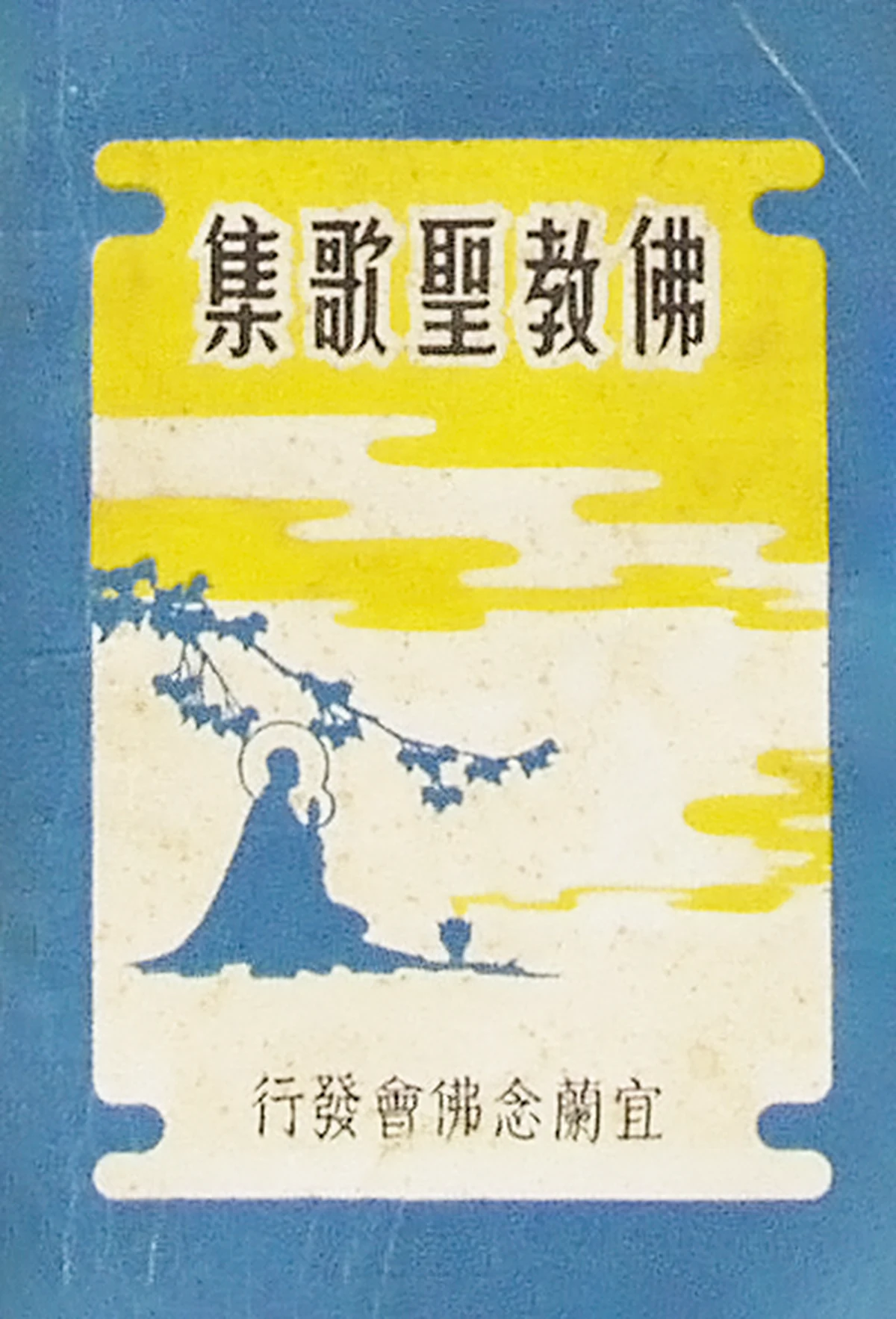
In the preface to the Buddhist Hymn Collection, Venerable Master Hsing Yun said, "The Yilan Buddhist Chanting Association felt the need of the times and sentient beings for Buddhism, so we organized the Buddhist Youth Choir. Besides praising chants, there were very few Buddhist songs, and the choir lacked practice materials. However, the 'Three Jewels Hymn' gave us great inspiration, Masters Taixu and Hongyi had already pointed out the path for us: we could strive to create!

In 1954 and 1955, Venerables Kuang-tz'u, Hsin Jan, Jo Shui, Zhu Yun, Hsin Wu, Cheng Yi, and others all worked hard writing lyrics. Layman Li Ping-nan also published lyrics in Bodhedrum. Renowned musician Mr. Yang Yung-pu contributed immensely, his compositions met the urgent needs of Buddhism at that time.

In October 1954, the Yilan Buddhist Chanting Association mimeographed a Buddhist hymn collection. Choir members Yang Hsi-ming and Chou Kuang-yu spent much precious time rewriting all the hymns, which the Yilan Buddhist Chanting Association printed once. Publishing this hymn collection is entirely meant to "throw out a brick to attract jade." May the song spread throughout the three-thousand worlds, may the Dharma be proclaimed in billions of lands, this requires everyone's effort.

October 17, 1954

Buddhist Association of the Republic of China's First Music Propagation and Recording

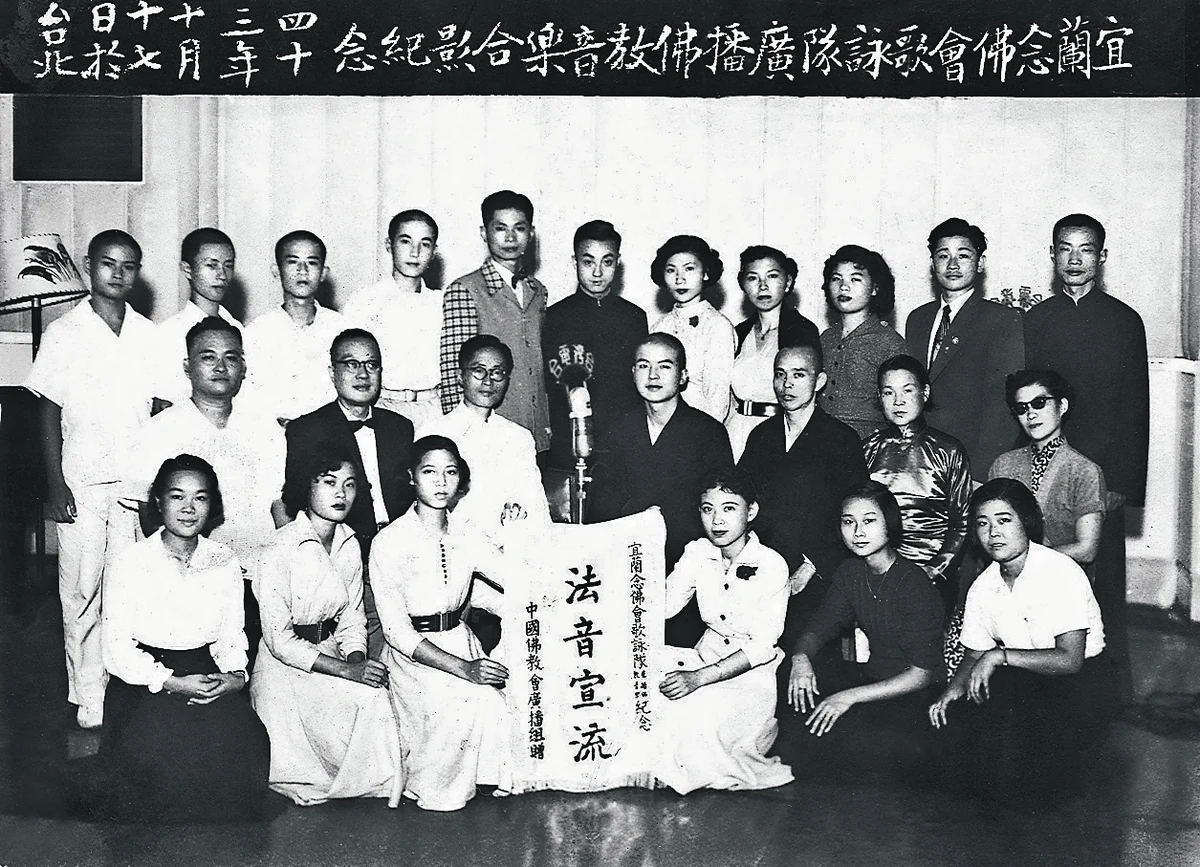
On October 17, 1954, at the invitation of Mr. Chou Tzu-shen, Mr. Li Yung-mou, and other laypeople from the Buddhist Association of the Republic of China (Broadcasting Group), Venerable Master Hsing Yun and Mr. Yang Yung-pu led 16 members of the Buddhist Youth Choir to the Broadcasting Corporation of China in Taipei to record Buddhist songs for the weekly Saturday broadcast of "Voice of Buddhism."

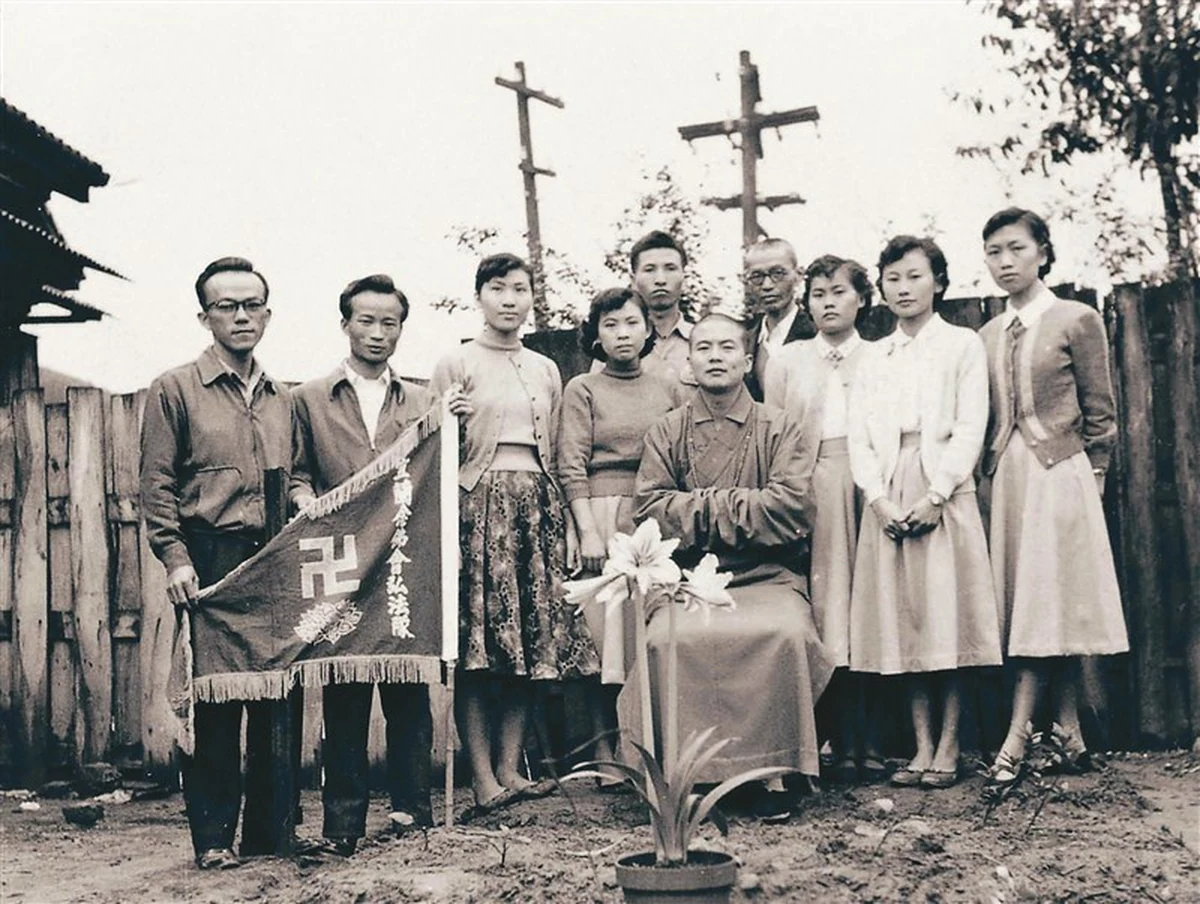
They recorded eight songs in total, including "Bell Toll in Temple," "Let's Take Refuge in the Buddha Now," "Song of Chanting the Buddha's Name," "Praising the Buddha," "Bodhi Tree," and "The West." This was the Buddhist Association of the Republic of China's first music propagation and recording. The Association presented a commemorative banner inscribed "Spreading the Voice of Dharma" to the Yilan Buddhist Chanting Association.

December 1954

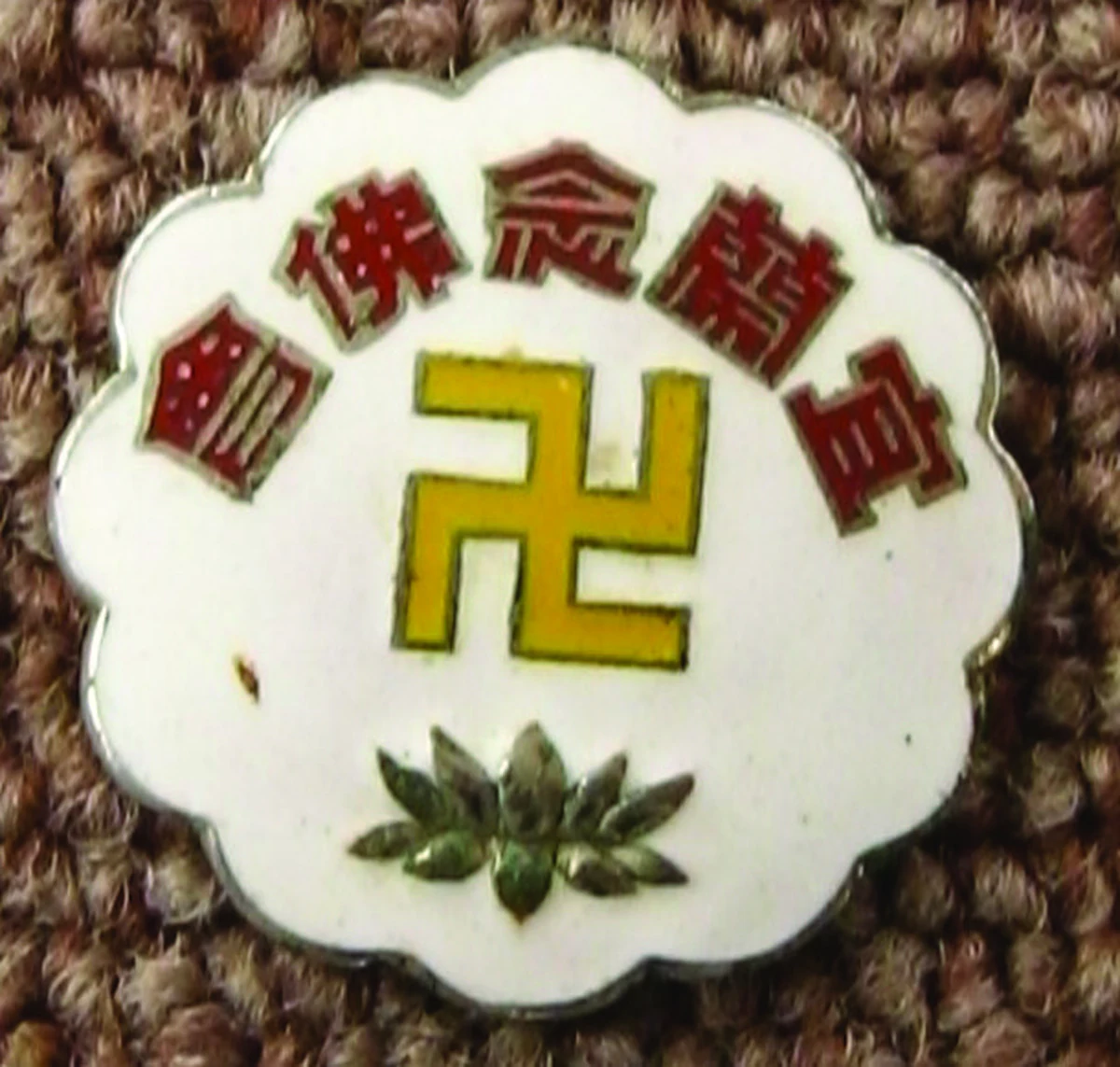
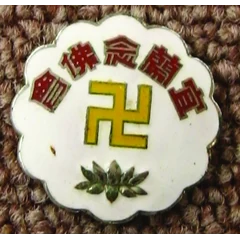
First Appearance of Buddhist Swastika Necklaces

Starting in 1953, Venerable Master Hsing Yun settled at Lei Yin Temple in Yilan. He said that material poverty was not the most serious problem; rather, it was the constant scrutiny, security units investigating one day, inspecting the next, sometimes summoning one for questioning, sometimes coming to shut down Dharma services. The entire Buddhist community lived in a state of anxiety, which was the most frustrating of all.

Even under such harsh conditions, Venerable Master still created many "firsts" in the history of Buddhism in Taiwan: the first kindergarten, the first lecture hall, the first choir, the first radio-based Dharma propagation, the first island-wide propagation tour, the first home visitations, the first Sunday school (children's class), the first village-level propagation, and, in 1954, the first swastika necklaces. Venerable Master said, "When I arrived at the Yilan Buddhist Chanting Association, I received a monthly offering of NT$300. I felt truly wealthy! At the time, Christianity was very popular, so I set aside NT$150 to purchase silver swastika necklaces to give to young Buddhists who came to hear the Dharma. With the remaining NT$150, I subscribed to 100 copies of Human Life Monthly Magazine for devotees to read."

December 1954

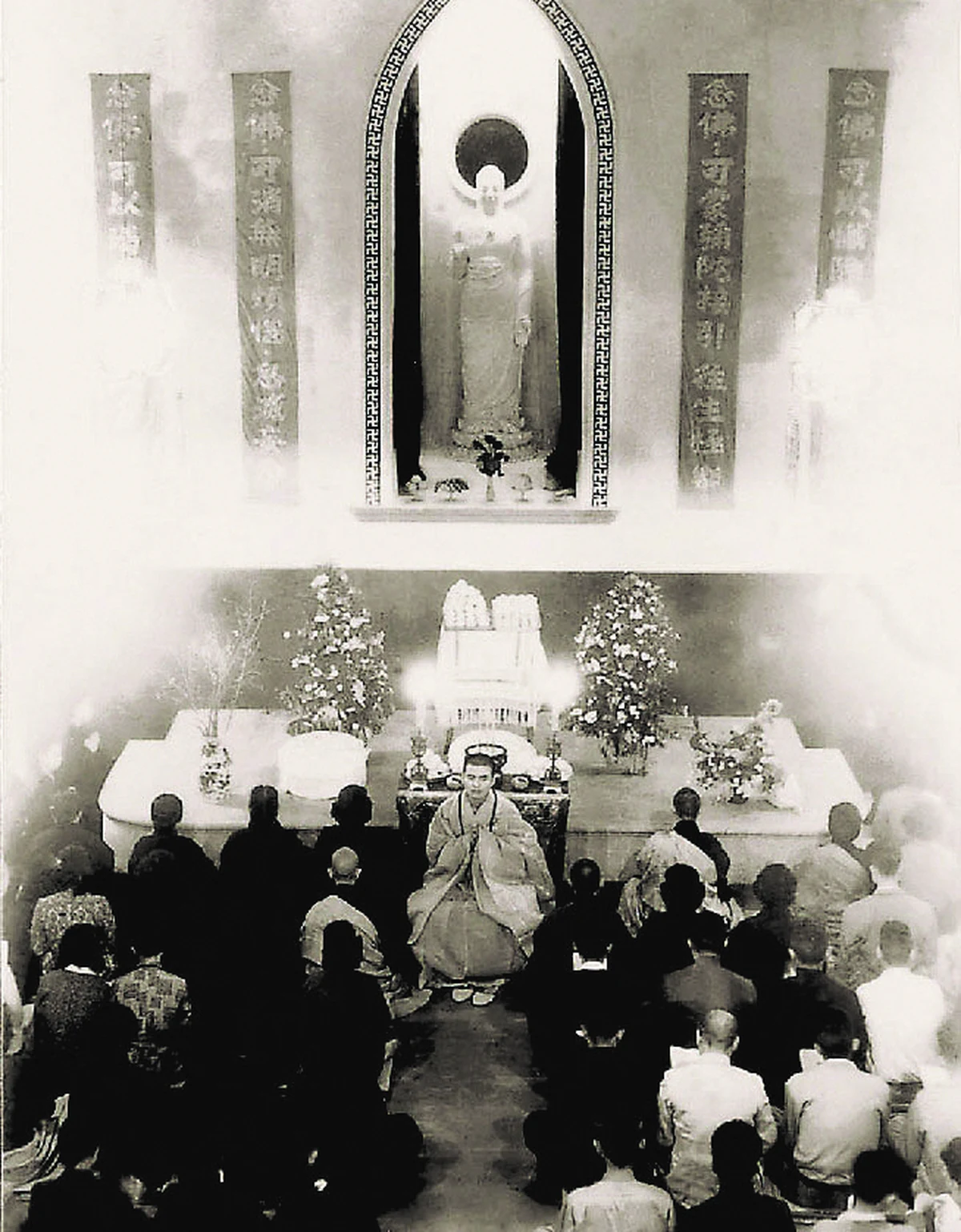
Leading the Amitabha Buddha Recitation Retreat at Lei Yin Temple; Body and Mind Both Extinguished

Venerable Master Hsing Yun recounted that in his life, he has participated in or personally led over 100 Amitabha Buddha Recitation Retreats. During those days of continuous Buddha-name recitation, he felt extremely light and at ease. He does not have the many mystical experiences that others often describe, yet a few retreats left especially deep impressions on him.

In 1954, Venerable Master led a Buddha Recitation Retreat at Lei Yin Temple in Yilan. The swishing sound of brushing teeth also became the sound of Amitabha Buddha. When sleeping, although his body rested, his mind remained clear, and within his heart Amitabha Buddha continued to resound without pause. Every step, too, was Amitabha Buddha. Every moment was Amitabha Buddha, Amitabha Buddha…

Amid the continuous and dense recitation of Amitabha Buddha's name, seven days passed in the blink of an eye. He forgot his own existence and forgot what "time" was. Those seven days felt like nothing more than a snap of the fingers.

The faith and religious experience this retreat gave him was even deeper than his earlier devotion to Avalokiteśvara Bodhisattva. It allowed him to experience a realm in which self and others were forgotten, and time and space were completely stilled.

June 1955

Invited to Lecture at National Taiwan University; Canceled at the Last Minute

Venerable Master Hsing Yun said that he remembers in 1955, he was invited by National Taiwan University to give a lecture. But on the day itself, he was suddenly notified that the lecture was canceled. The reason was: Buddhism is not allowed on university campuses.

But he did not lose heart over this. Instead, it ignited his determination to bring honor to Buddhism. He then invited Japanese professor Kōgen Mizuno to teach at various campuses in Taiwan and successively established Buddhist societies at universities.
After using various skillful means to overcome various obstacles, not only do Taiwan's universities frequently invite him to lecture, but even world-famous institutions: Cornell, Yale, Harvard, Berkeley, Hawaii, and other universities in the United States, as well as the National University of Singapore, Ngee Ann Polytechnic, Bond University, and The Chinese University of Hong Kong and The Hong Kong Polytechnic University, have all invited him to lecture.

August 1, 1955

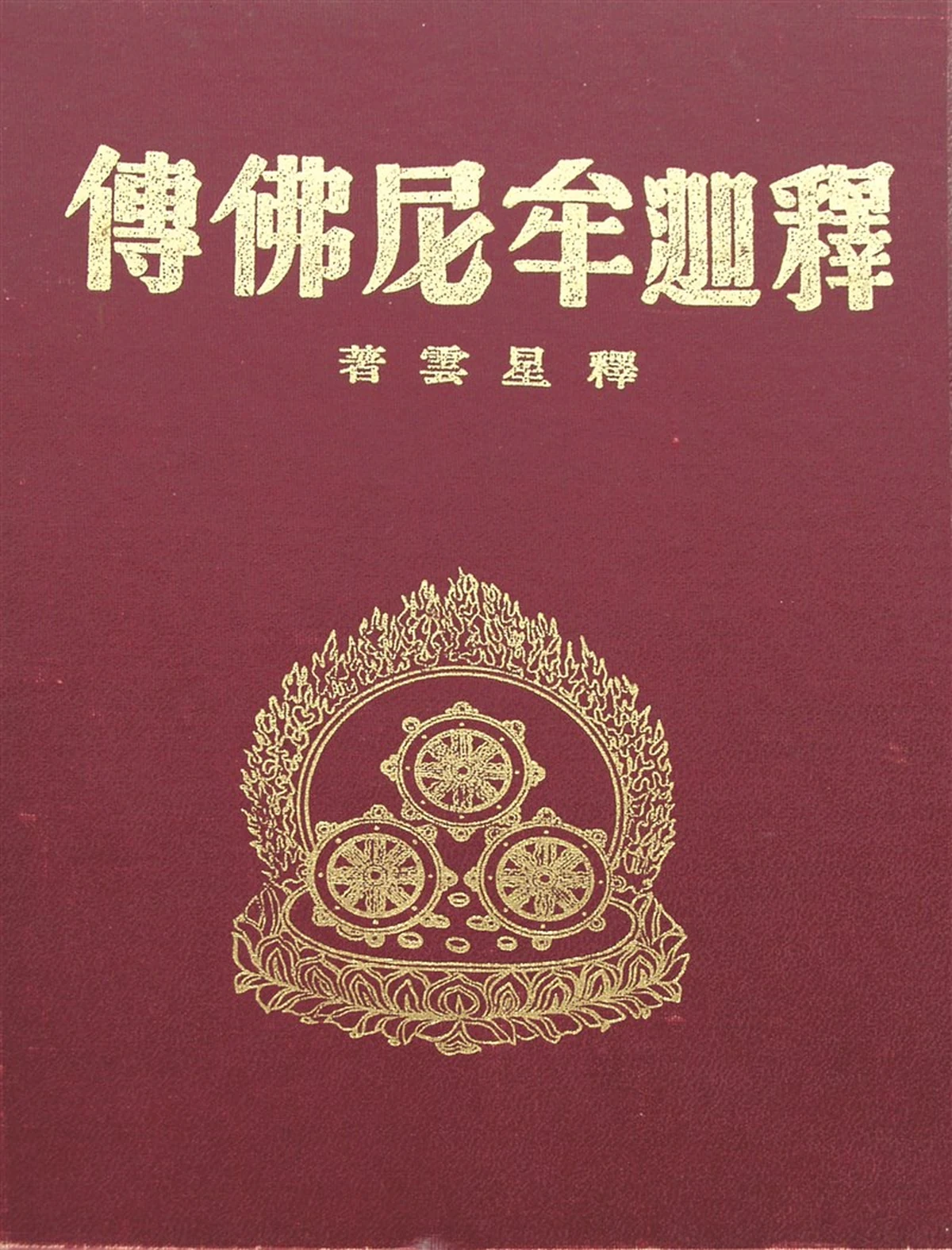
The First Hardcover Book in the Buddhist Community: Biography of Sakyamuni Buddha Published

Since its publication in 1955, Venerable Master Hsing Yun's Biography of Sakyamuni Buddha has had 22 Chinese editions widely circulated throughout the world, making it the most widely distributed and most-read among the many Buddha biographies.

The publication of Biography of Sakyamuni Buddha caused quite a sensation decades ago. Its beautiful prose, full of literary quality, brought new inspiration to the dull and rigid Buddhism of that time. Its fine printing made it the first hardcover Buddhist book, formally sold in bookstores, incomparable to the crudely printed merit books of the past.

Venerable Master said, "When I wrote about the Buddha's steadfast and extraordinary cultivation, and his painstaking efforts to guide sentient beings, I was often moved to tears and could not stop. Often late at night, I would go before the Buddha to prostrate, hoping on one hand to rely on the power of his blessing to widely propagate the compassionate vows of Buddhas and Bodhisattvas. On the other hand, I vowed to follow his example, wishing that I too could come to this Saha world life after life to guide sentient beings."

September 17, 1955

Leading the "Promotion of Tripitaka Reprinting" Tour

In the 1940s and 1950s, Taiwan's Buddhist community was quiet and subdued; and Buddhist texts were difficult to circulate. Mrs. Sun Chang Ching-yang not only operated a Buddhist scripture distribution center and bookstore, but also assisted Venerable Dong Chu in reprinting the Tripitaka.

Venerable Master Hsing Yun said, "On September 17, 1955, Venerables Nan Ting and Zhu Yun and I jointly organized the 'Promotion of Tripitaka Reprinting' Tour. Together with eight members from the Yilan Buddhist Chanting Association, we formed a publicity team to promote it throughout the island. Over the course of more than a month, we traveled by flatbed cart, ox cart, pedicab, train, bus, small boat, warship, and airplane. Wherever we went, there were drums and gongs, firecrackers and flowers. Local temples even brought out deity palanquins to welcome us, using microphones and loudspeakers to heighten the excitement. Presenters and audience blended together in perfect harmony. Everywhere we went, touching stories were too numerous to recount. We obtained advance subscriptions for over 170 sets of the Tripitaka. Venerable Dong Chu specially presented a banner inscribed 'Melodious Dharma Voice' to the Buddhist Youth Choir of the Yilan Buddhist Chanting Association on behalf of the Tripitaka Printing Committee."

November 1955

During the Dharma Propagation Tour Around Taiwan, Both Legs Afflicted with Severe Rheumatic Arthritis

Regarding facing illness and death, Venerable Master Hsing Yun said that in 1955, he led the Yilan youth and others on an island-wide propagation tour to promote the printing of the Tripitaka for the Chinese Buddhist Cultural Center. On the gravel road from Taitung to Pingtung, worried that their most precious piece of equipment, a tape recorder weighing over 20 kilograms, might be damaged by the rough, stone-covered road, he placed it on his legs and held it tightly in his arms. He felt pain in both legs and found it difficult to bend them.
Little did Venerable Master know that upon returning to Yilan, he would be bedridden for over a month, in unbearable pain, unable to take even a single step. Later, doctors diagnosed him with rheumatism and said both legs would need to be amputated to prevent further deterioration. Hearing this, he felt neither fear nor alarm. He thought: "If my legs are amputated, can't I still fulfill my wish to close my door and write books, spreading the Dharma all the same? Faith gives us strength to calmly accept everything. If one can experience this power through the study of Buddhism, it will benefit one's entire life."
April 29, 1956

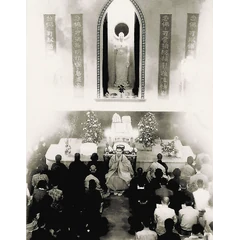
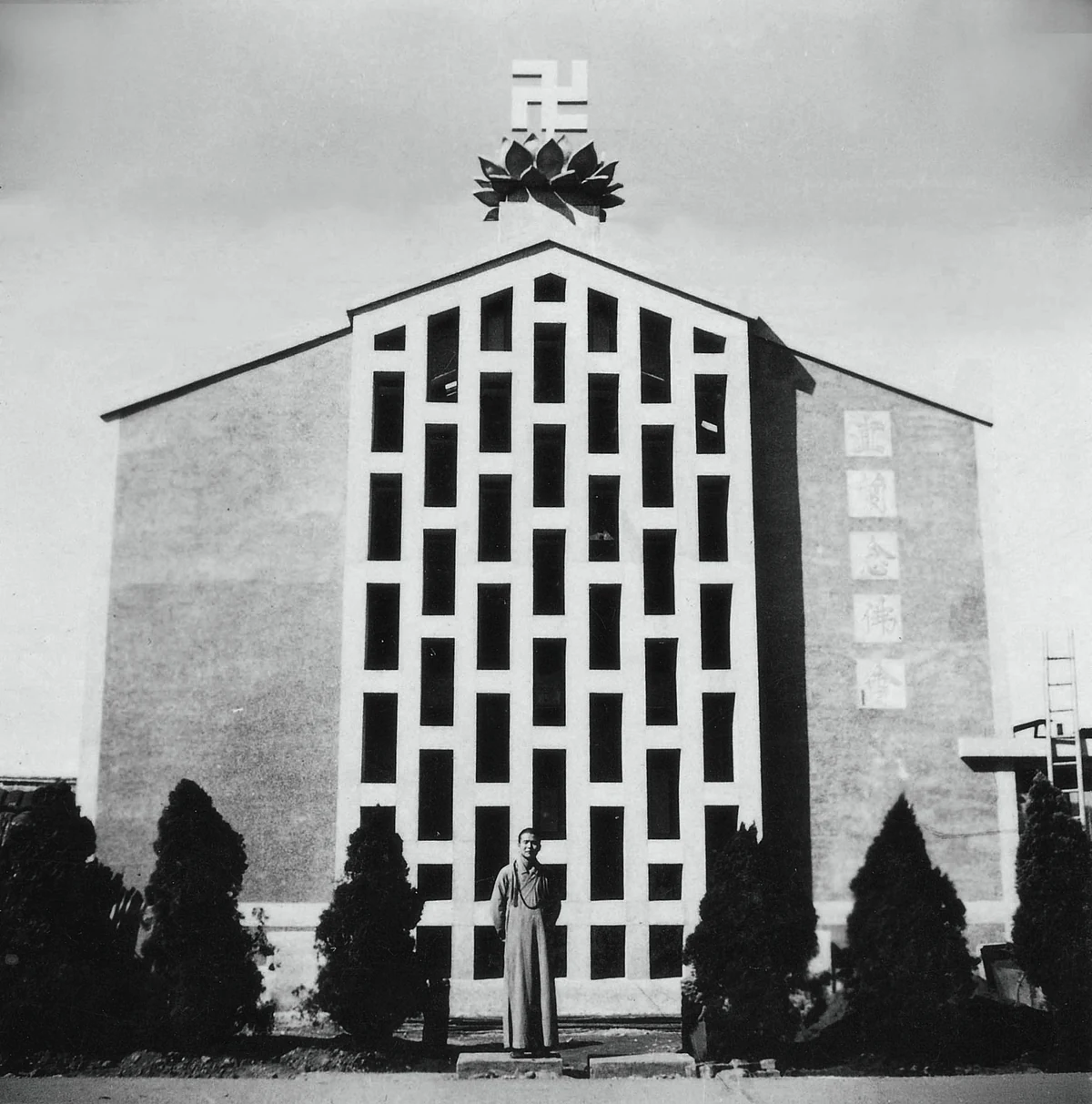
Taiwan Buddhist Community's First Lecture Hall: Lei Yin Temple Dharma Hall completed

The Yilan Buddhist Chanting Association was established on May 16, 1952. Initially, only about a dozen people including Lin Sung-nien and Li Chueh-he gathered for Buddha-name recitation, borrowing the Buddha hall of Lei Yin Temple at the North Gate as their practice venue. In the first month of 1953, Venerable Master Hsing Yun was invited to lead the group, and construction of a lecture hall on the roadside in front of the temple was initiated. Construction began in September 1954, and the dedication ceremony was held on April 29, 1956. Changkya Khutukhtu was specially invited to cut the ribbon, and Mrs. The Yilan County Magistrate and Speaker both attended this grand event. This was Taiwan Buddhism's first hall specifically built for Dharma talks and group cultivation. People from all walks of life attached great importance to it, and it became the talk of the island. It was even suggested that this day be designated "Yilan County People's Day of Glory. Because of this lecture hall, the Buddhist Choir and Dharma Propagation Team flourished, greatly increasing the number of young people studying Buddhism, which in turn opened up radio broadcasting, university lectures, prison propagation, and other activities.

July 8, 1956

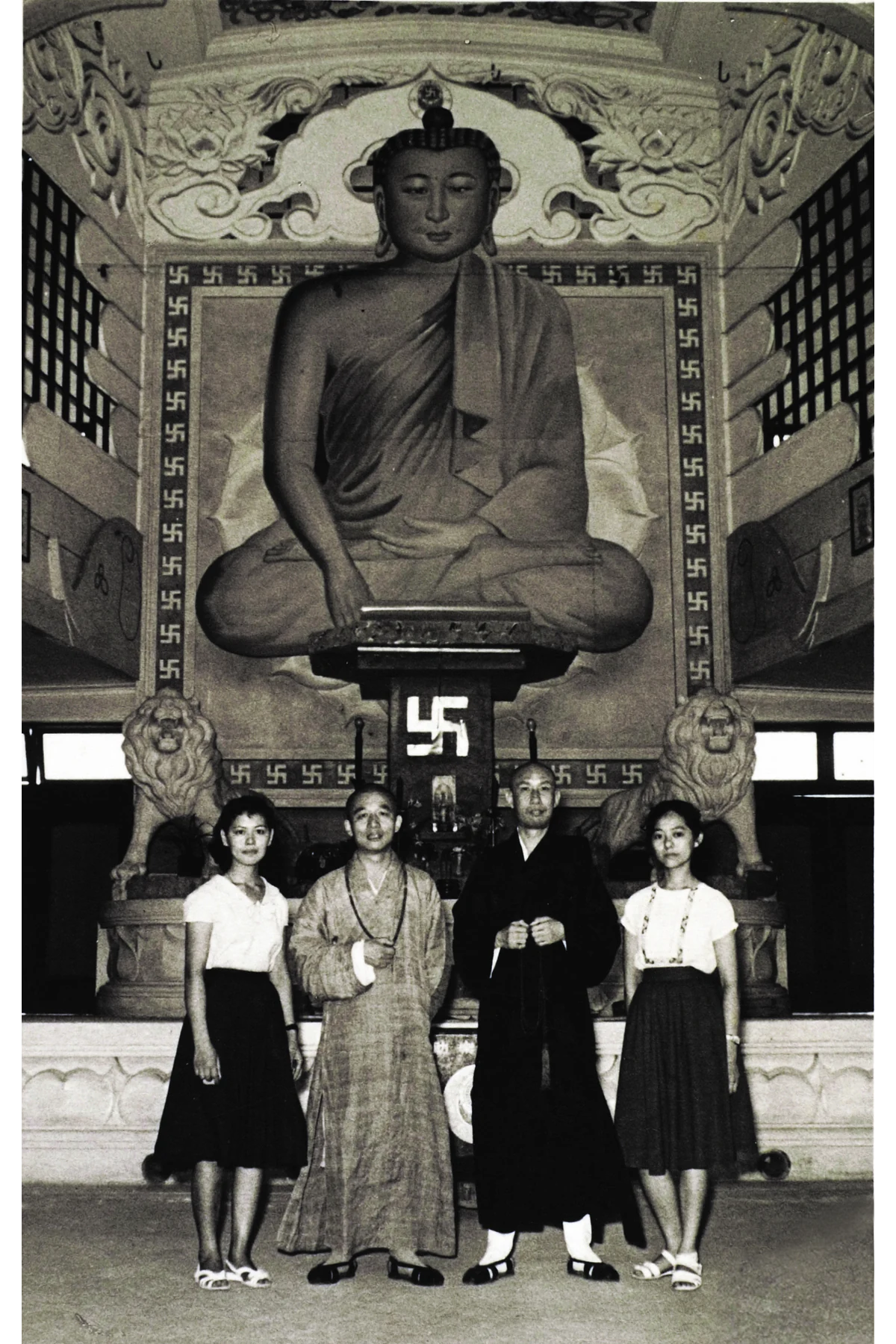
Kaohsiung Buddhist Hall Completed; Specially Inviting Venerable Yueji to Serve as Abbot

Venerable Master Hsing Yun recounted his connection with Venerable Yueji:

"I remember that when I received ordination at age 15, my mother traveled over mountains and rivers to visit him. I took advantage of the evening study time to meet her in the women's dormitory. When lights-out time came, my mother was reluctant to part, tears streaming down her face, so I stayed to comfort her."

At that moment, he thought, "This is terrible, will I be expelled?"

Unexpectedly, Venerable Yueji responded publicly, "He was in his quarters last night!" The discipline master tactfully withdrew and Venerable Master was spared punishment. At the time, he was just an unknown young novice. His understanding of human nature and quick-witted intervention truly earned his heartfelt gratitude. In 1954, learning that he was in Hong Kong with no one to assist him, he found ways to bring him to Taiwan. That same year, he was involved in the construction of Kaohsiung Buddhist Hall. After it was completed in 1956, because he felt Venerable Yueji was warm, approachable, and enjoyed interacting with lay devotees, he recommended him to the lay community of Kaohsiung Buddhist Hall as abbot, while he served as superintendent.

August 27, 1956
(Lunar July 22)

Declining Mrs. Sun Chang Ching-yang's Offer to Sponsor Further Study Abroad

In his essay "Birthday," Venerable Master Hsing Yun recounted that having walked through decades of seasons, he never felt happy on his birthday. There was nothing special to eat and no new clothes to wear, so birthdays were not occasions for happiness. In fact, every birthday, he would feel mentally foggy and listless.

At the age of thirty, Mrs. Sun Chang Ching-yang, wife of General Sun Li-jen, asked him to edit Awakening the World Periodical and hosted a vegetarian banquet to celebrate his 30th birthday. The entire set of cups, plates, bowls, and chopsticks used at the banquet was made of gold. Although he accepted out of courtesy, he felt no happiness at all.

During the meal, she expressed her willingness to sponsor his further studies abroad. However, since his aspiration was to propagate the Dharma and benefit sentient beings, he politely declined. As the saying goes, "Content in poverty, delighting in the Way." He believes that monastics should uphold the "thought of honorable poverty," always "delighting in honorable poverty, maintaining simplicity everywhere." Therefore, throughout his life he has followed the outlook of "having by not having, advancing by retreating, regarding the multitude as oneself, and finding joy in emptiness."