mobile menu button

1937-1946

Life of Learning

1937 (Age 11)

1938 (Age 12)

1939 (Age 13)

1940 (Age 14)

1941 (Age 15)

1942 (Age 16)

1943 (Age 17)

1944 (Age 18)

1945 (Age 19)

1946 (Age 20)

July 7, 1937
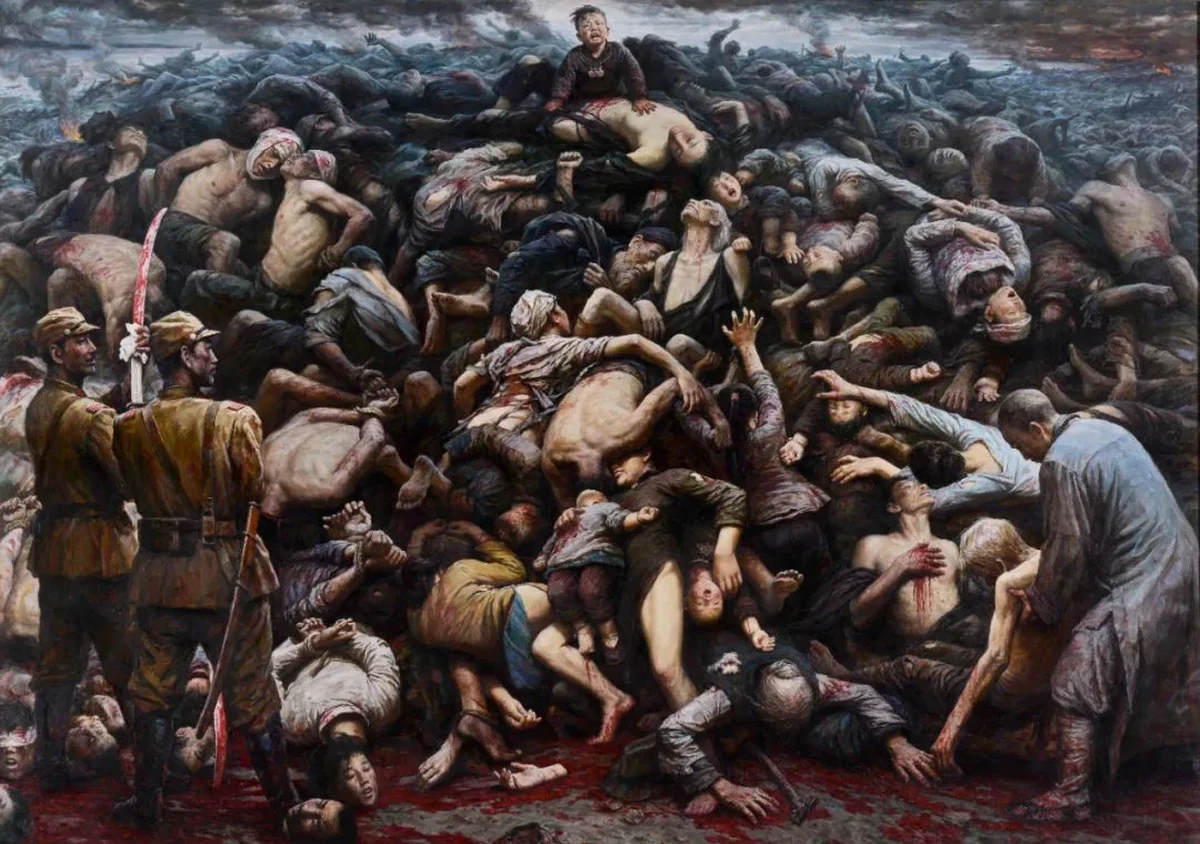
The Marco Polo Bridge Incident: A brush with death

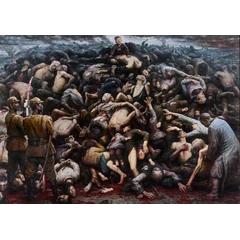
In the year Venerable Master Hsing Yun turned eleven (1937), the "July 7th Marco Polo Bridge Incident" occurred, marking the beginning of the Second Sino-Japanese War. The Japanese army quickly advanced toward Nanjing. Their household consisted only of widows and orphans, so they could not flee far and temporarily settled in nearby Xinghua. Around the end of that year, the Japanese army occupied all of Jiangsu Province. His grandmother and mother could not bear to leave their household belongings behind and constantly argued with the family about returning to the occupied area to check on things. At his grandmother's insistence, Venerable Master accompanied her on a two-day journey, secretly returning to their home in Jiangdu. Along the way, though not exactly "mountains of bones," it would be no exaggeration to say corpses were scattered everywhere. With no living souls around for so long and a layer of white snow covering the ground, the air felt fresh yet deathly still. Occasionally, to avoid pursuing Japanese soldiers, they slept among the dead. Several times, Japanese troops passed by, but fortunately, they were not discovered. Especially after experiencing these scenes of life and death firsthand, Venerable Master came to deeply understand the impermanence and terror of life.

1938

Grandmother's final wishes

Venerable Master Hsing Yun remembers one day, his grandmother spoke to him solemnly: "It seems that in the future, none of your uncles will be able to handle my funeral affairs. It will be up to you alone!" After Venerable Master renounced, understanding that the matter of life and death is of paramount importance, he engraved his grandmother's instructions even more deeply in his heart. Unfortunately, the conflict between the Nationalists and Communists later created a gulf between the two sides of the Taiwan Strait as vast as heaven and earth. It was only forty years after leaving home, when Venerable Master finally made contact with his relatives on the mainland, that he learned the sad news. At that moment, his grief was beyond words. He immediately arranged to send USD 5,000 back home, asking his brothers to build a memorial pagoda for his grandmother. Although it was too late, he still had to keep his promise. Venerable Master could not let his grandmother's trust become a lifelong "regret carried to the grave. Even now, whenever he closed his eyes, he could clearly see her figure prostrating to the Buddha and the lines on her face. She has thus become the person Venerable Master missed most in his entire life.

March 2, 1938
(Lunar 2/1)

Renouncing at Qixia Temple

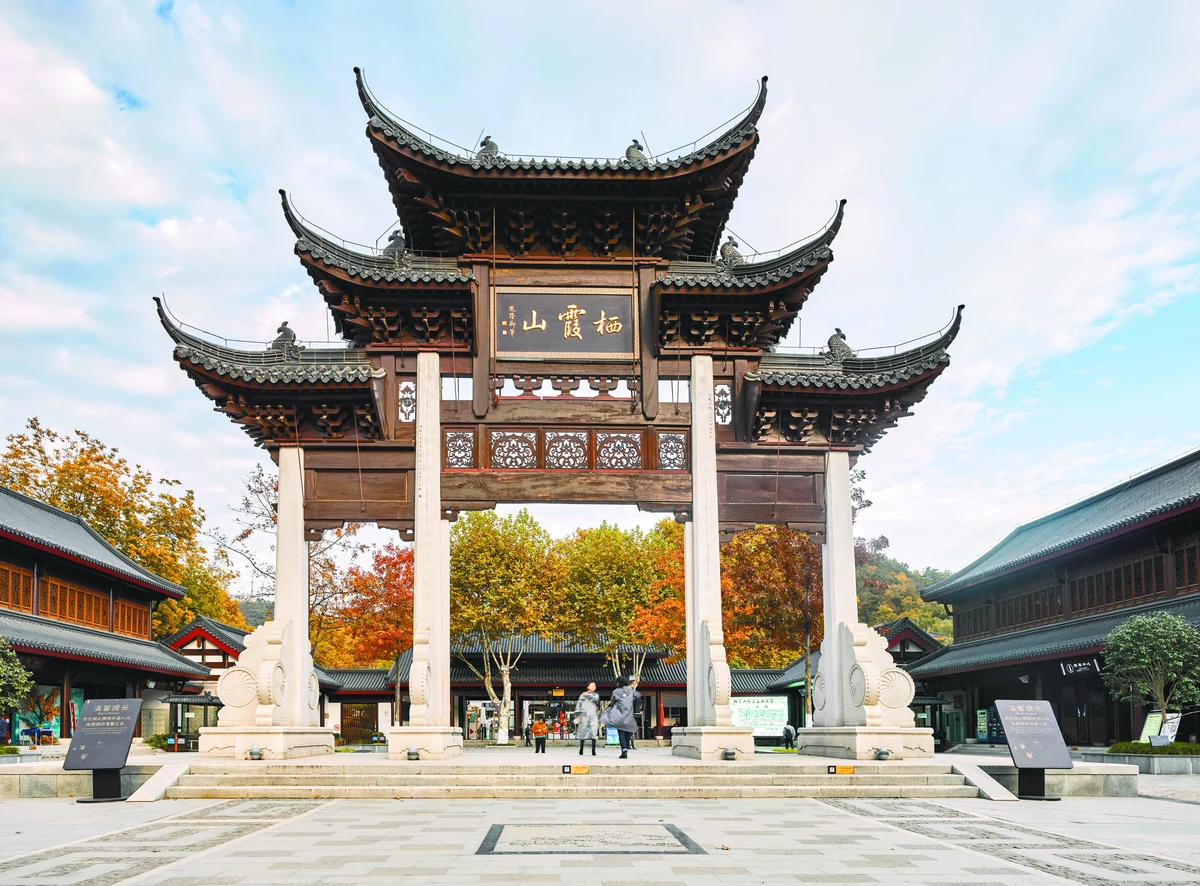
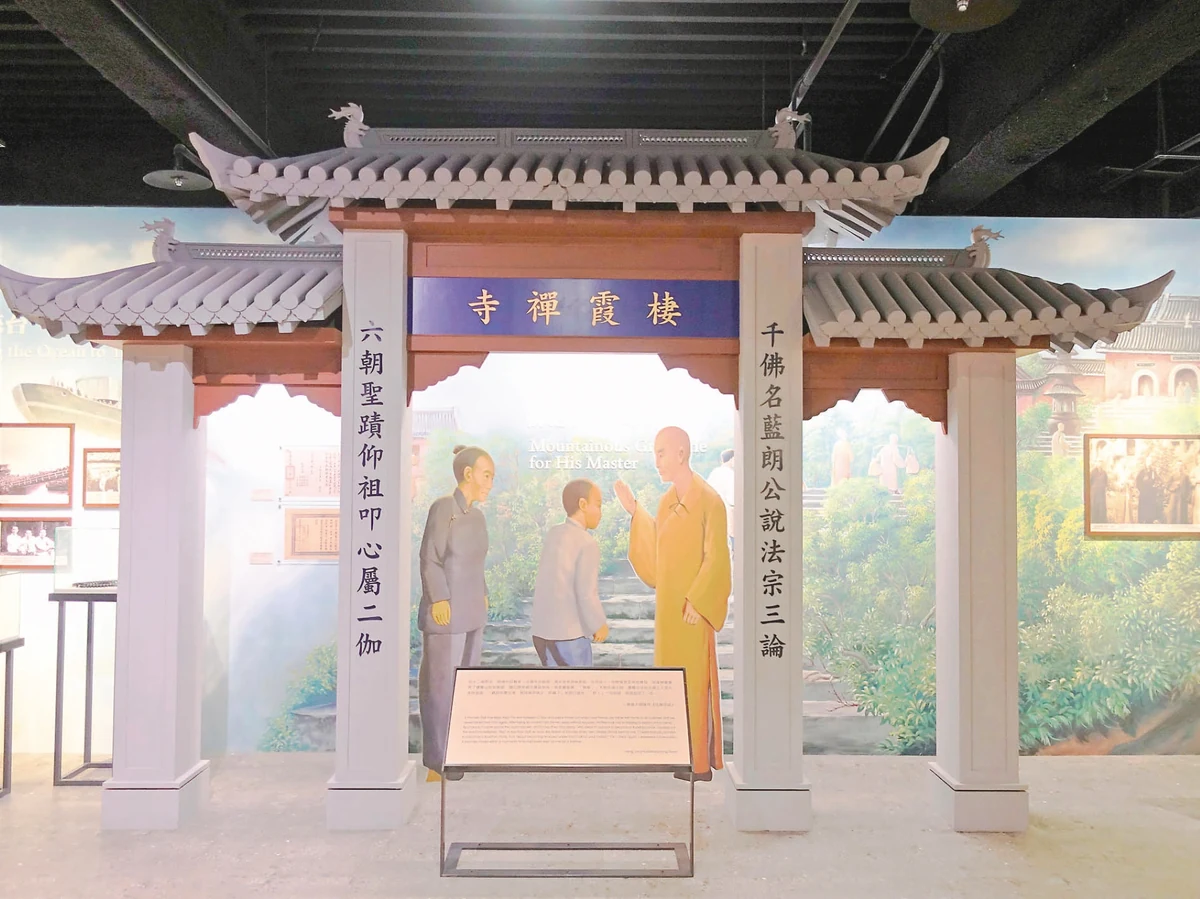
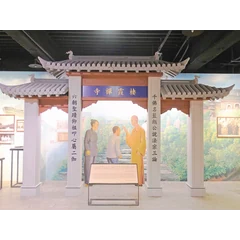
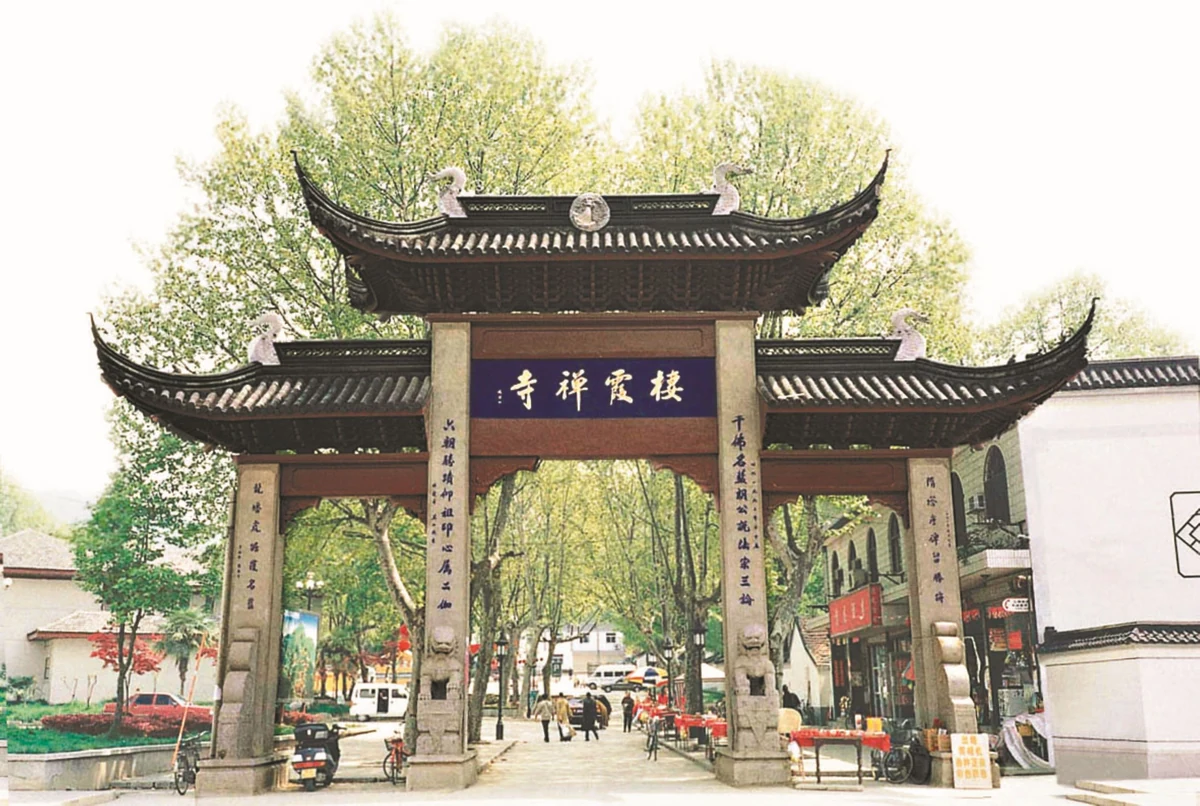
The circumstances of life are truly wondrous. During the Second Sino-Japanese War, Venerable Master Hsing Yun's father was away on business and happened to be in Nanjing when the "Nanjing Massacre" occurred. His mother then took him out to search for him. Through this karmic connection, he arrived at Qixia Temple in Nanjing. Looking back on those days, someone came up to him and asked: "Young man, would you like to renounce? Having heard much about monastics from his grandmother and having seen the dignified bearing of some monks, he thought renouncing would be good. Without much thought, he casually replied: "Yes! Little did he know that shortly afterward, the person who would become his master, Venerable Zhikai, came to ask him: "I hear you want to renounce. Then why not renounce under me? I will be your master. However, you cannot formally renounce here. Although I serve as the abbot here, I am no exception to this rule. We can only say you are borrowing this place for your tonsure. Our ancestral temple is Dajue Temple in Yixing. Later, you should return there to pay respects to our patriarchs and formally acknowledge your lineage." And so, I was tonsured at Qixia Temple.

1939

Six years of serving in the Dining Hall at Qixia Vinaya Academy: Time and space reside in one's mind

In Venerable Master Hsing Yun's youth, he developed a very good habit: diligence in hardship and enthusiasm for service. During the six years he lived at the Qixia Vinaya Academy in Nanjing, besides studying, he would go up the mountain to gather firewood and carry water from over two kilometers away. Especially during those six years of serving in the Dining Hall, adding rice and vegetables for others, he did all of this. Through many years of ascetic practice in the monastery, he developed the quick skills of setting out bowls and chopsticks, sweeping floors, and arranging cushions. Later, when he came to Taiwan to propagate the Dharma and traveled on the highways, he could calculate precisely, to the minute and second, when he would arrive at his destination. Because time and space reside within one's own mind, no matter where he goes, he can immediately engage and maintain complete awareness. There is a saying: "Whether one has ambition or not can be seen in how one tends the fire and sweeps the floor. One must be skilled at managing "the three dimensions of human life," especially at seizing opportunities and conditions, once a moment passes, it will never return.

1941

Receiving full ordination at Qixia Temple

The ordination was witnessed and approved by Precept Master Elder Ruoshun, Instruction Master Elder Renshan, Karma Master Elder Qingquan, Master of Ceremonies Elder Zhuochen, and Deputy Master of Ceremonies Venerable Mingdu.

1942

Serving as librarian at Qixia Vinaya Academy and compiling "My Little Garden" monthly

At fifteen or sixteen, aware of Venerable Master Hsing Yun's shallow learning, he took the position of librarian at the Qixia Vinaya Academy in Nanjing, using the opportunity to read extensively. From classical texts to modern literature, from Chinese literature to Western literature, novels from all times and places, he reads everything. After developing the habit of reading, not reading for even a day would weigh on his mind, further igniting his deep interest in literature.

Knowing his natural aptitude was limited, he concentrated fully during classes and committed everything to memory. Every day, he used spare moments at his desk to reflect, recording in his diary his opinions on various matters, descriptions of people, reflections on lessons, thoughts on particular phrases... Over time, ideas flowed from his pen like a spring. Each month, he compiled what he had learned into a booklet called "My Little Garden," containing poems, prose, essays, commentaries...

1943

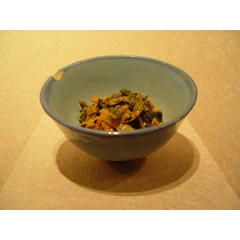
Master Zhikai sends half a bowl of pickled vegetables

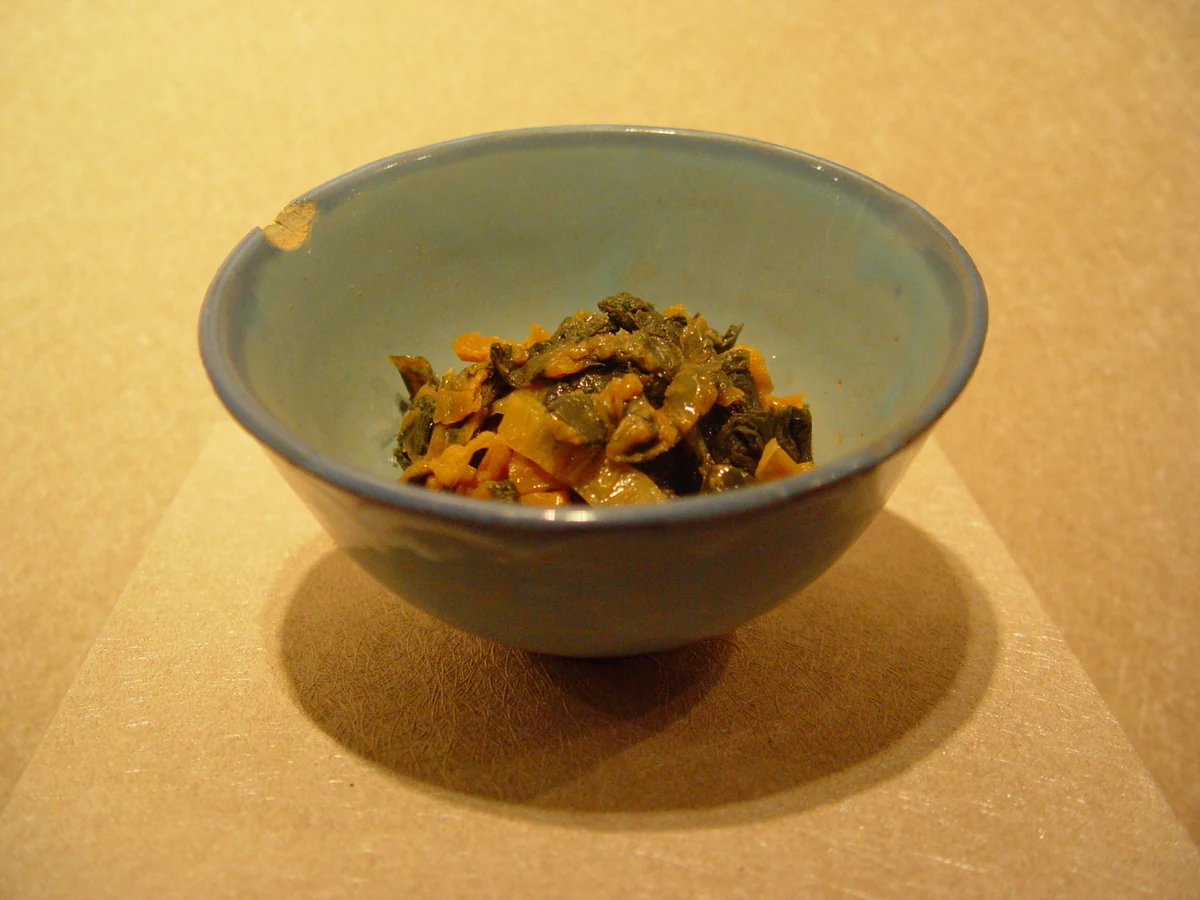
Having renounced in his childhood, material life in the monastery was scarce. In the year he turned seventeen, he suddenly contracted malaria, his body alternating between chills and fever, extremely uncomfortable. In those days, the training in the monastery were determined to entrust their physical bodies to the Dharma protectors and heavenly beings. Even when ill, no one had ever heard of anyone asking for leave to rest. He dragged his weakened body along with the assembly's routine until he finally collapsed, completely exhausted, and lay bedridden. Due to the lack of medical facilities, he lay on his sickbed alternating between hot and cold, seemingly on the verge of death. His gracious master, Venerable Zhikai, somehow heard the news that he had been bedridden for half a month. Holding that bowl of pickles, he wept with gratitude, thankful that his master cared so much for his disciple. He ate it through his tears, vowing in his heart: In the future, he must become a good monastic. He must properly propagate the Dharma and benefit living beings to repay his master's kindness. Remarkably, his illness healed without medicine, and his vow has never changed.

1946/6/2-6/6

Organizing the "Buddhist Antiquities Exhibition"

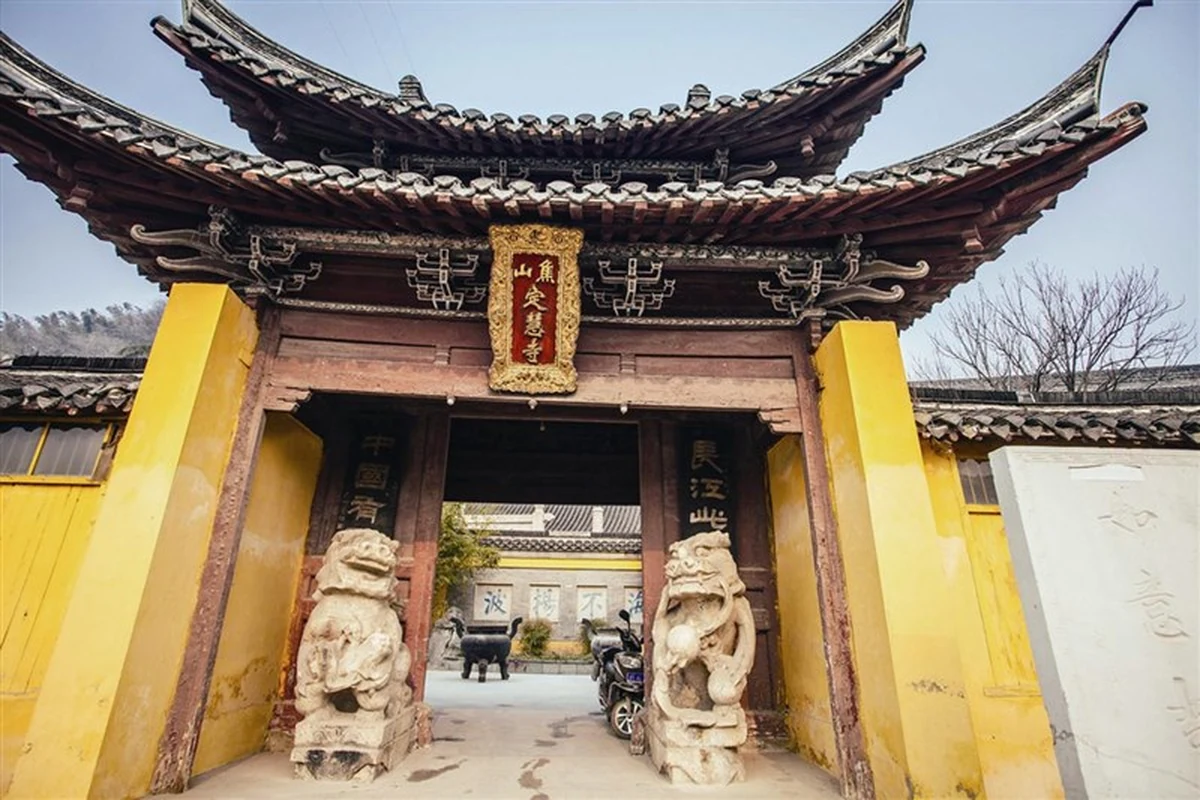
In 1946, while Venerable Master Hsing Yun was still studying at Jiaoshan Buddhist College, Elder Taicang, then the Abbot of Jinshan Temple in Zhenjiang, helped him organize a "Buddhist Antiquities Exhibition." He generously lent him Su Dongpo's jade belt from the Song dynasty, as well as other temple antiquities, for the exhibition at Jiaoshan.

At that time, he put up posters in Zhenjiang with slogans such as: "Qin bricks and Han tiles have appeared! Su Dongpo's jade belt is also on display, have you seen it? There are also dragon eggs and imperial dragon robes from various dynasties!" They even exhibited the war drum of the famous Eastern Han general Ma Yuan, known as the "General Who Calms the Waves." That exhibition attracted huge crowds. Dozens of boats from Zhenjiang continuously ferried people to Jiaoshan to visit. Seeing the throngs of people streaming in gave him quite a surprise.

1946/7/9-8/8

Inspired by Master Taixu

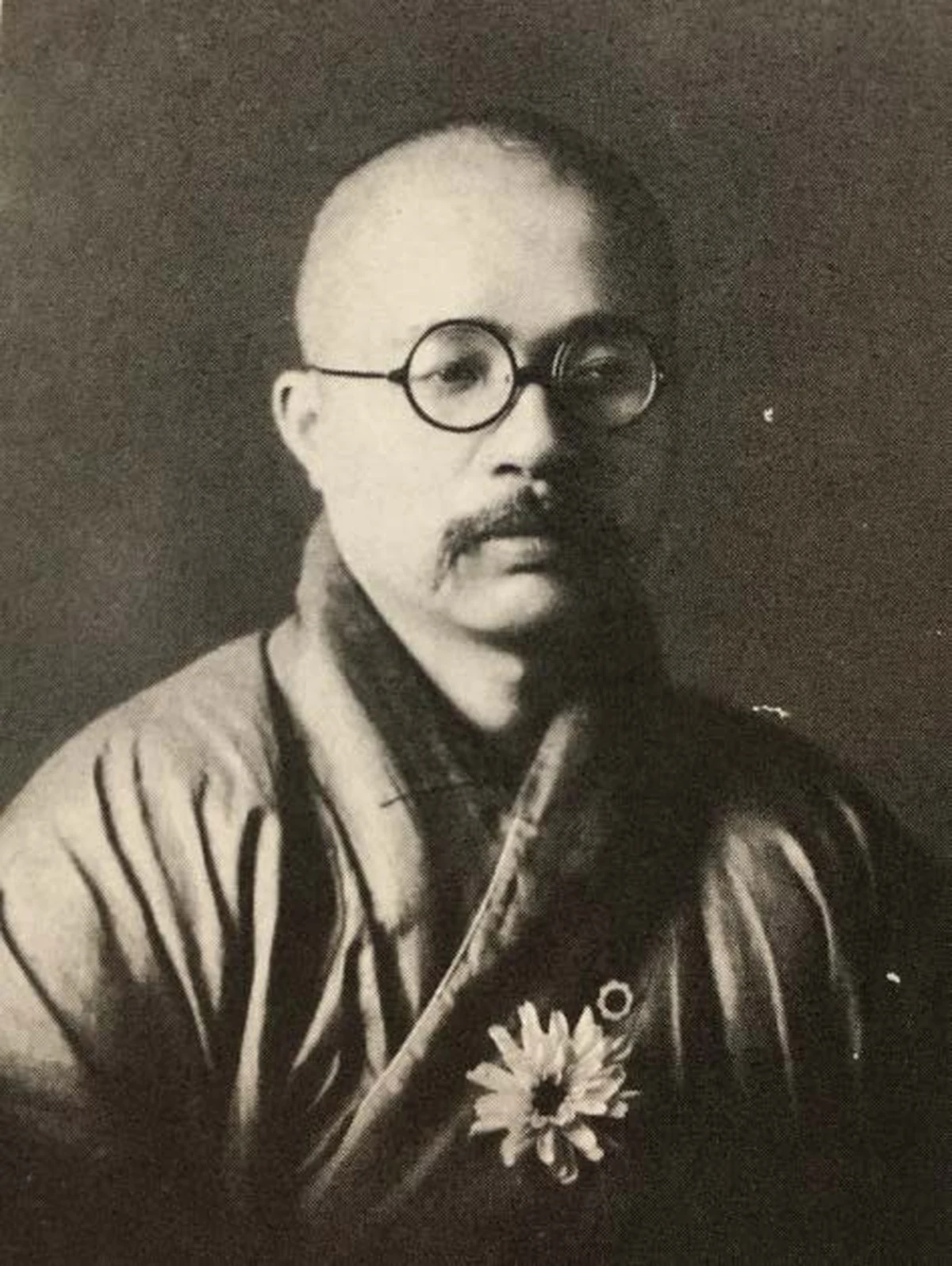
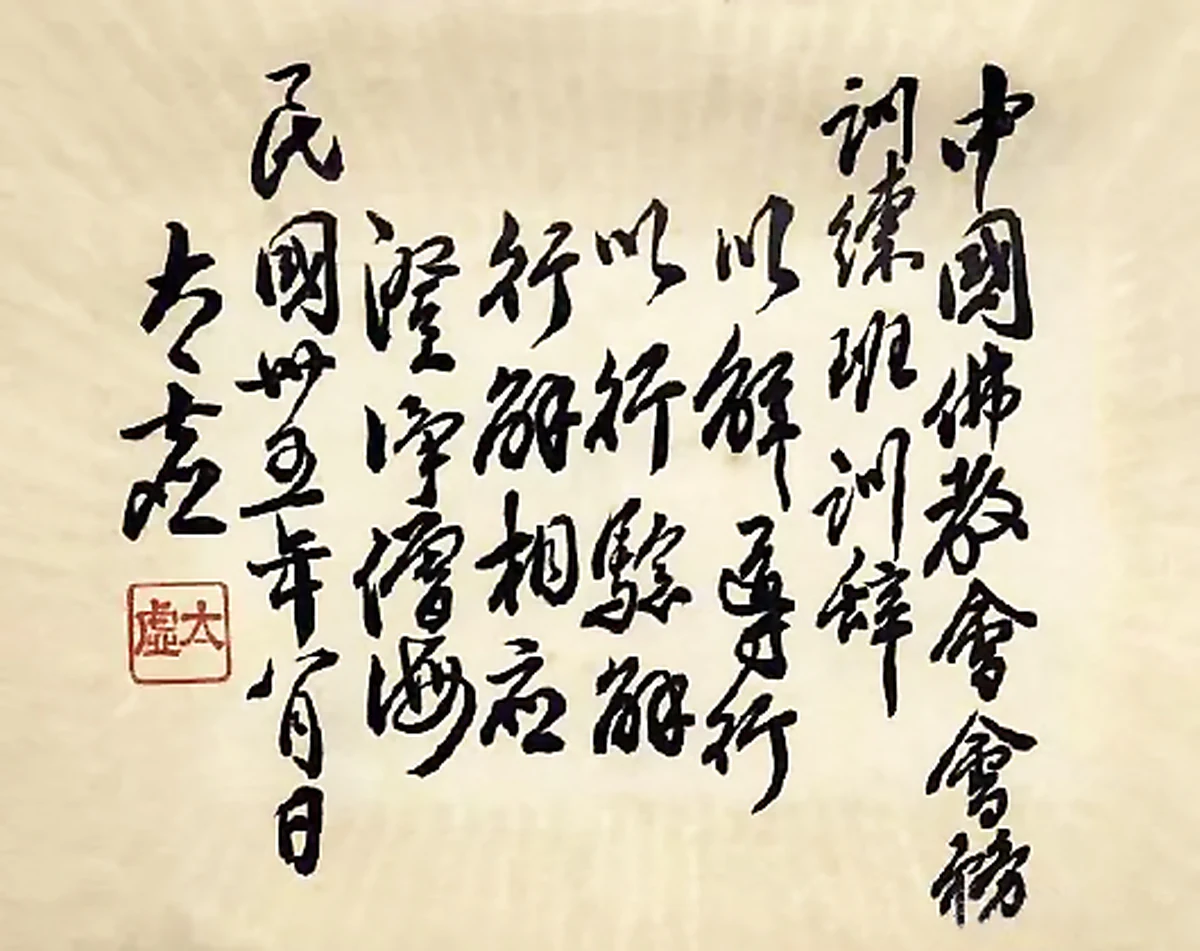
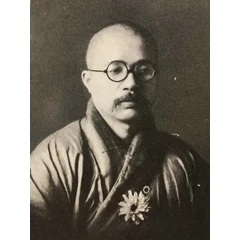
After the victory in the war, Master Taixu held the "Buddhist Association of China Staff Training Program" at Jiaoshan. He specially invited Venerable Mingshan from Hunan and Venerable Chenkong returning from Chongqing to assist at Jiaoshan, with over 600 trainees participating from various places. Venerable Master Hsing Yun also participated as a young monk not yet twenty, feeling that Buddhism's future must hold great promise and hope. He understood that Buddhist reform should begin with reorganizing the Buddhist Association.

During the training, Master Taixu repeatedly said: "We must do it for Buddhism! We must do it for Buddhism!" These words kept echoing in Venerable Master's ears. Once, on the road, he happened to encounter Master Taixu face to face. They quickly stood aside with palms joined to let Master Taixu pass. Suddenly, Master Taixu stopped and looked at him. Master Taixu said to him repeatedly: "Good, good, good." Venerable Master did not have time to respond, and seeing him remain silent without speaking to him, Master Taixu smiled and was ushered away by the crowd. Although it was just such a simple encounter, throughout his life, the phrase "for Buddhism" has had tremendous power.

1946/8/19

Covered in festering sores, miraculously recovered

While studying at Jiaoshan Buddhist College, for a period Venerable Master Hsing Yun's body was covered with festering sores. The pus stuck to his clothes, and when washing and removing them, it felt as if he were peeling off a layer of skin. Under the strict and harsh education of those times, with material scarcity, he did not feel that the pain and suffering of bodily ailments were hardships. Rather, he viewed them as a necessary process in pursuing the Way, which only strengthened his faith and resolve.

Because he could not attend meals with the assembly, he had to stay behind alone at the College. One day, a young couple passed by the entrance. Seeing him, perhaps because he was young and looked refined, they asked: "How old are you this year?" He suddenly remembered that day was his birthday, so he casually replied: "Today I turn exactly twenty." A month later, he miraculously recovered. his body and mind felt as if they had undergone a complete transformation. He therefore told himself he must redouble his efforts, diligently seek the unsurpassed Buddha Way, and benefit all sentient beings.

1946/11/7

"A Letter That Could Not Be Delivered"

Once, Venerable Master Hsing Yun wrote a composition titled "A Letter That Could Not Be Delivered. Since the outbreak of the Sino-Japanese War in 1937, his father had gone out on business and there had been no news of him. It seemed he must have perished in the Nanjing Massacre. As a son, though he had become a monk, he could not help but miss his father, so he wrote this composition of over five thousand characters. After Venerable Shengpu at Jiaoshan Buddhist College in Zhenjiang reviewed it, he wrote in his composition book: "Even a heart of iron and stone would shed tears reading this. The next day, he spent two hours in class reading it aloud to all the students, using his composition as teaching material. A few days later, he suddenly saw his article in the supplement of the New Jiangsu Daily. He was amazed, how could newspaper reporters have published his composition? Venerable Shengpu's kindness greatly encouraged him. Afterward, he developed a strong interest in writing and continued to publish in several Zhenjiang newspapers, including pieces like "Victims Under Equality" and "Words from a Banknote," as well as dozens of new-style poems.

1947

Received comprehensive Buddhist monastic education in Chan, doctrinal, and Vinaya

Venerable Master Hsing Yun vowed to make the propagation of Humanistic Buddhism his lifelong mission. He trained at various Chan, doctrinal, and Vinaya monasteries, including Jinshan, Qixia, Tianning, and Baohua, receiving a comprehensive Buddhist education in the lineage, teachings, and Vinaya disciplines.