mobile menu button

1957-1966

Life of Literature

1957 (Age 31)

1958 (Age 32)

1959 (Age 33)

1960 (Age 34)

1961 (Age 35)

1962 (Age 36)

1963 (Age 37)

1964 (Age 38)

1965 (Age 39)

1966 (Age 40)

March 1957

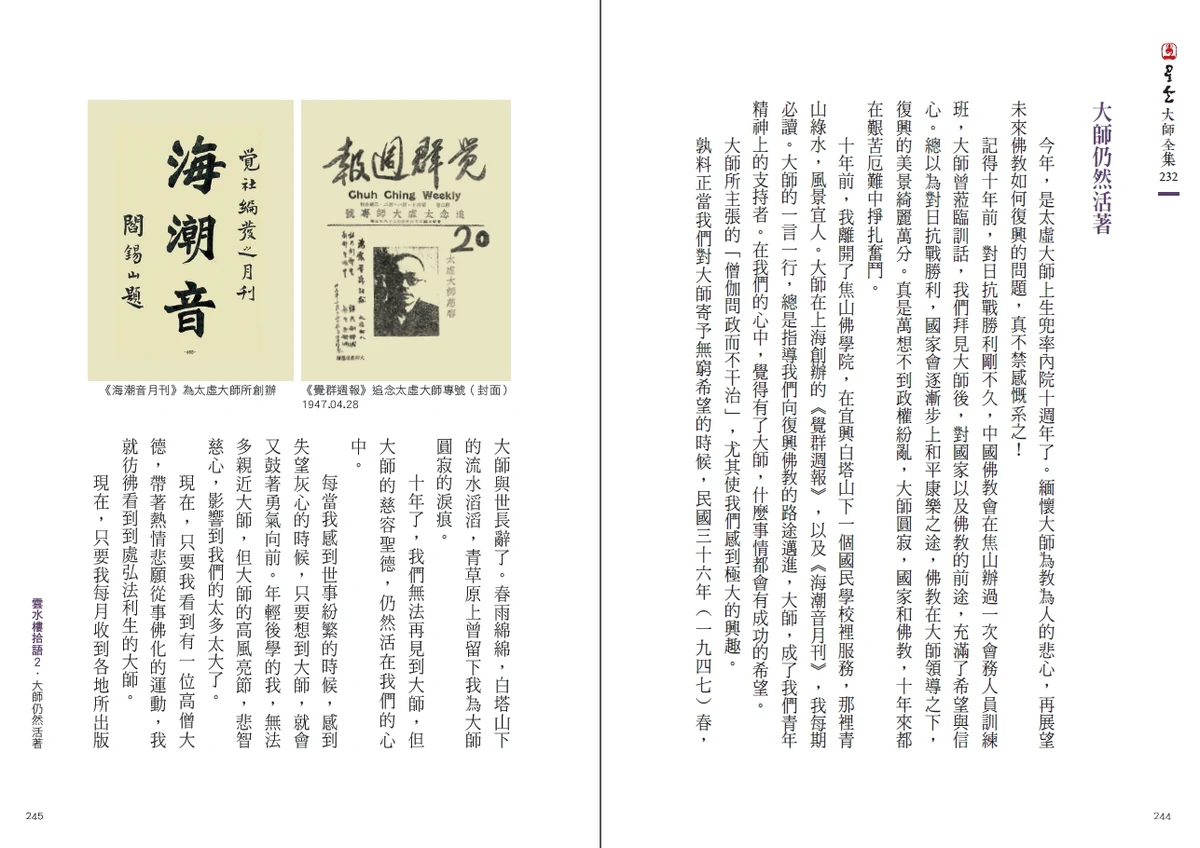
Writing "The Master Still Lives" to Commemorate the 10th Anniversary of Master Taixu's Passing

To commemorate the 10th anniversary of Master Taixu's passing, Venerable Master Hsing Yun wrote "The Master Still Lives," expressing boundless remembrance for this great advocate of Humanistic Buddhism, while also committing himself more actively to its propagation in order to honor his legacy. Whenever he feels overwhelmed by worldly affairs or disheartened by setbacks, simply thinking of the Master gives him the courage to move forward once again. As a young follower, he was not able to spend much time by the Master's side, yet his noble character and compassionate wisdom have profoundly shaped them.

In 1941, while he was studying at the Qixia Vinaya Academy in Nanjing, his classmate Zhiyong once said that the contemporary Buddhist master he most admired was Master Taixu. He said that even if there were a sea of fire ahead, as long as the Master told him to go forward, he would enter it without hesitation. These words expressed the trust and reverence that young monastics held for the Master. Whether or not one had personally been close to him, anyone who had received monastic education regarded him, next only to the Buddha, as the central focus of faith.

May 1957

Giving Up Pursuit of a Doctoral Degree to Accomplish the Fo Guang Mission

In 1957, Venerable Master Hsing Yun applied to Taisho University in Japan for advanced studies, submitting with his humble work Biography of Sakyamuni Buddha. Just as everything was in place and Venerable Master was preparing to depart for Japan, Layman Chu Tien-yuan came to see him, his expression filled with puzzlement. He said, "Master, in our hearts, you are already their Master, a status higher than any doctorate. Why do you need to go to Japan to be someone else's student?" Having renounced secular life and taken upon the mission of propagating the truth and purifying people's hearts, Venerable Master's role and responsibility were indeed extraordinary. He reflected further: "Life is not merely about planning for oneself, but about considering others. Since I was already regarded as a Master by others, what my disciples hoped to receive from me was not worldly academic knowledge, but the world-transcending Dharma that enables people to leave suffering and attain happiness."

The next day, Venerable Master abandoned his plan to study abroad. On the contrary, he believes his life has become more meaningful because he devoted the energy he would have spent on academic research to Dharma propagation, establishing more Buddhist enterprises and benefiting more sentient beings.

September 1957

Purchasing "Pumen Vihara"; Later Selling it to Establish the Buddhist Cultural Service Center

In 1957, with the help of devotees from various places, a garden house was purchased for Venerable Master Hsing Yun in Xin Beitou, which he named "Pumen Vihara," for writing. Not only did he have a place to settle and write, but the offerings were fairly generous, and life was quite comfortable.

However, to settle the group of young people studying Buddhism with him and to expand Buddhism's influence in the cultural sphere, before long he sold the house and used the proceeds to buy a building in Sanchong, establishing the "Buddhist Cultural Service Center." Unexpectedly, this later became the cradle of Fo Guang Shan's cultural enterprises. Looking back, he is still proud of that bold, selfless decision.

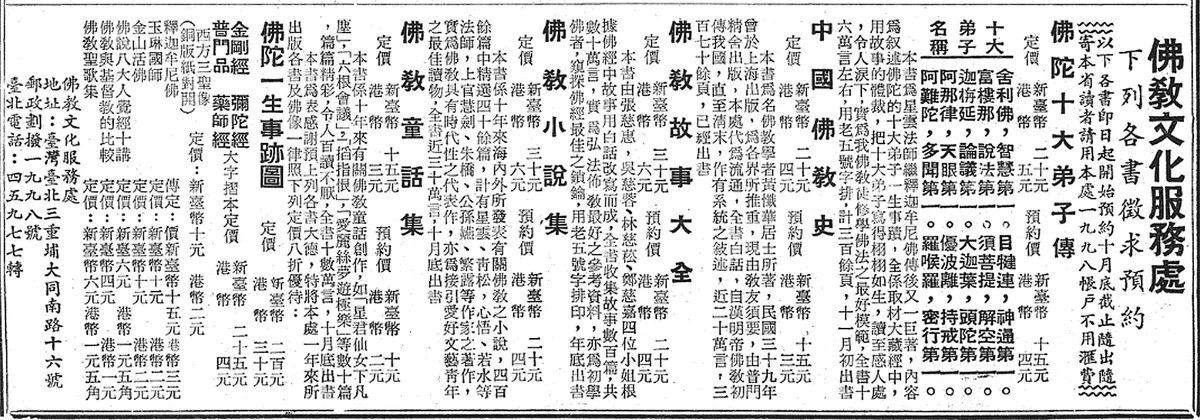
From the Buddhist Cultural Service Center founded in 1959 to today's Fo Guang Publishing House (now known as Fo Guang Cultural Enterprise Co., Ltd), they have published large quantities of series books on sutras, introductions, biographies, doctrine, literary selections, rituals, journals, practical applications, arts, reference tools, comics, and children's stories, as well as various Buddhist books. Additionally, there are the Fo Guang Booklet series and other materials distributed free to devotees everywhere.

September 1957

Recording Buddhism's First Phonograph Record

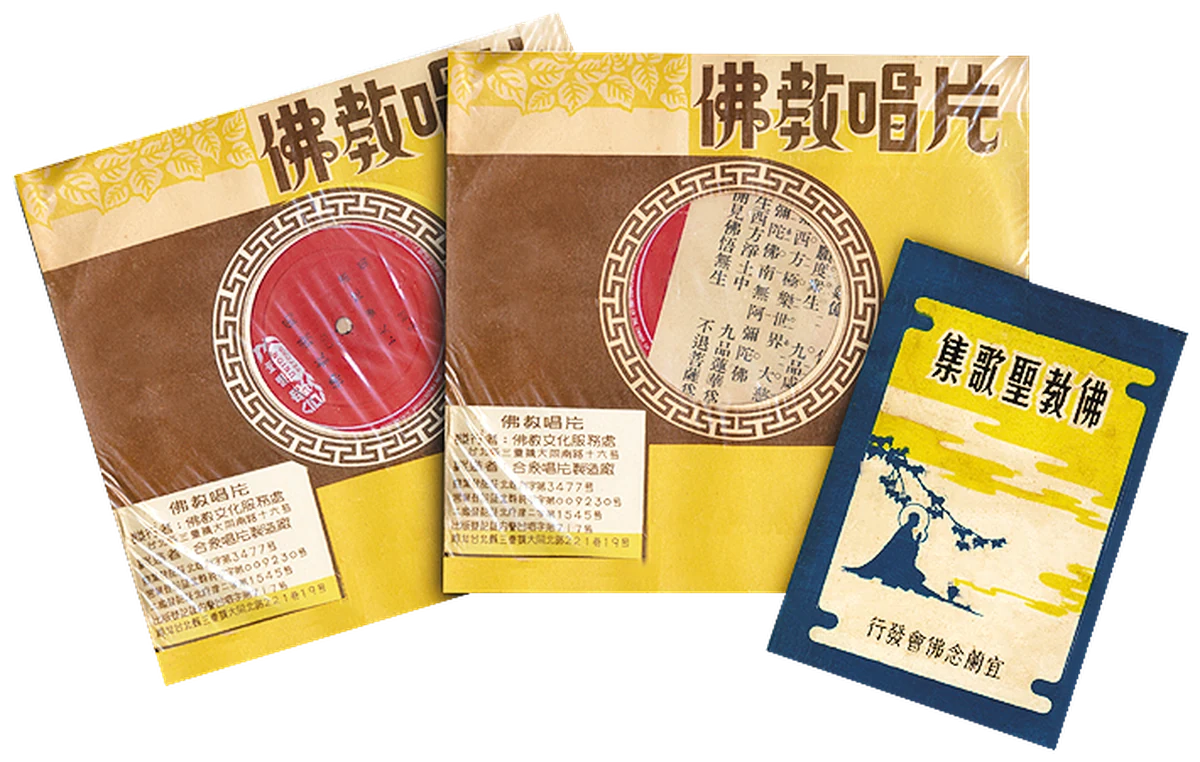
In 1957, Venerable Master Hsing Yun led the Yilan Buddhist Chanting Association Youth Choir to record Buddhist phonograph records. They recorded six 10-inch records with over 20 Buddhist songs, including chants and Buddhist hymns.

These six records were unprecedented works in Buddhist history and a groundbreaking innovation. Although some in the Buddhist community disapproved, he was not discouraged and continued to hold many sacred music and dance performances and music propagation events at venues like Taipei's Sun Yat-sen Memorial Hall and the National Concert Hall (now known as National Theater and Concert Hall) in 1979, 1990, 1992, and 1995, bringing Buddhist liturgical music into the national concert hall for the first time.

Among these, in 1995, at the invitation of the Taipei City Government, they participated in the government's In Praise of the Buddhas: Buddhist Chanting And Dance, combining traditional Buddhist liturgical music with modern Buddhist hymns, along with Chinese and Western music and dance. This unprecedented event received recognition from society and strong endorsement from the Buddhist community.

September 4, 1957

Establishing Taiwan's First Buddhist Kindergarten: Yilan Tzu Ai Kindergarten

In 1953, when Venerable Master Hsing Yun first came to Yilan to propagate the Dharma, he emphasized youth gatherings. For example, he established a registered literature tutorial class, youth group, Dharma propagation team, choir, and children's class. But these were all short-term education and did not attract much attention at the time, so he changed direction to start with early childhood education.

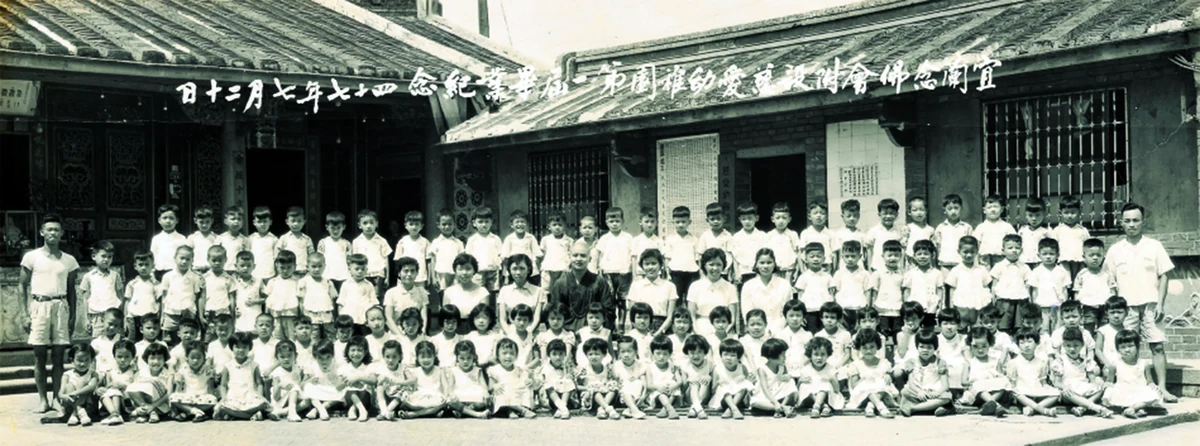
On September 4, 1957, Yilan Tzu Ai Kindergarten officially opened, Taiwan's first kindergarten established by Buddhists. At the board of directors' nomination, he served as chairman, with Chang Yu-li (later Venerable Tzu Hui) as principal. They successively sent Wu Tzu-Jung (Venerable Tzu Jung), Cheng Tzu-chia (Venerable Tzu Chia), Yang Tzu-man, and Wu Pao-chin to Taichung for preschool teacher training. In 1961, the Yilan County Government and China Youth Corps jointly organized the "Yilan County Kindergarten Teacher Training Class," with the site at Tzu Ai Kindergarten. Yilan County Magistrate Lin Tsai-tien served as head of the program, with him as deputy. This began large-scale training of early childhood educators, thereby catalyzing the development of early childhood education in Taiwan.

December 1957

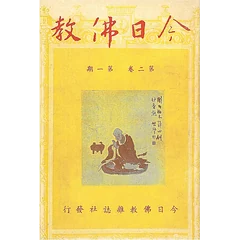
Serving as Editor-in-Chief of Buddhism Today Magazine

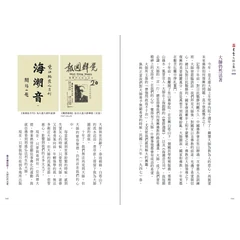
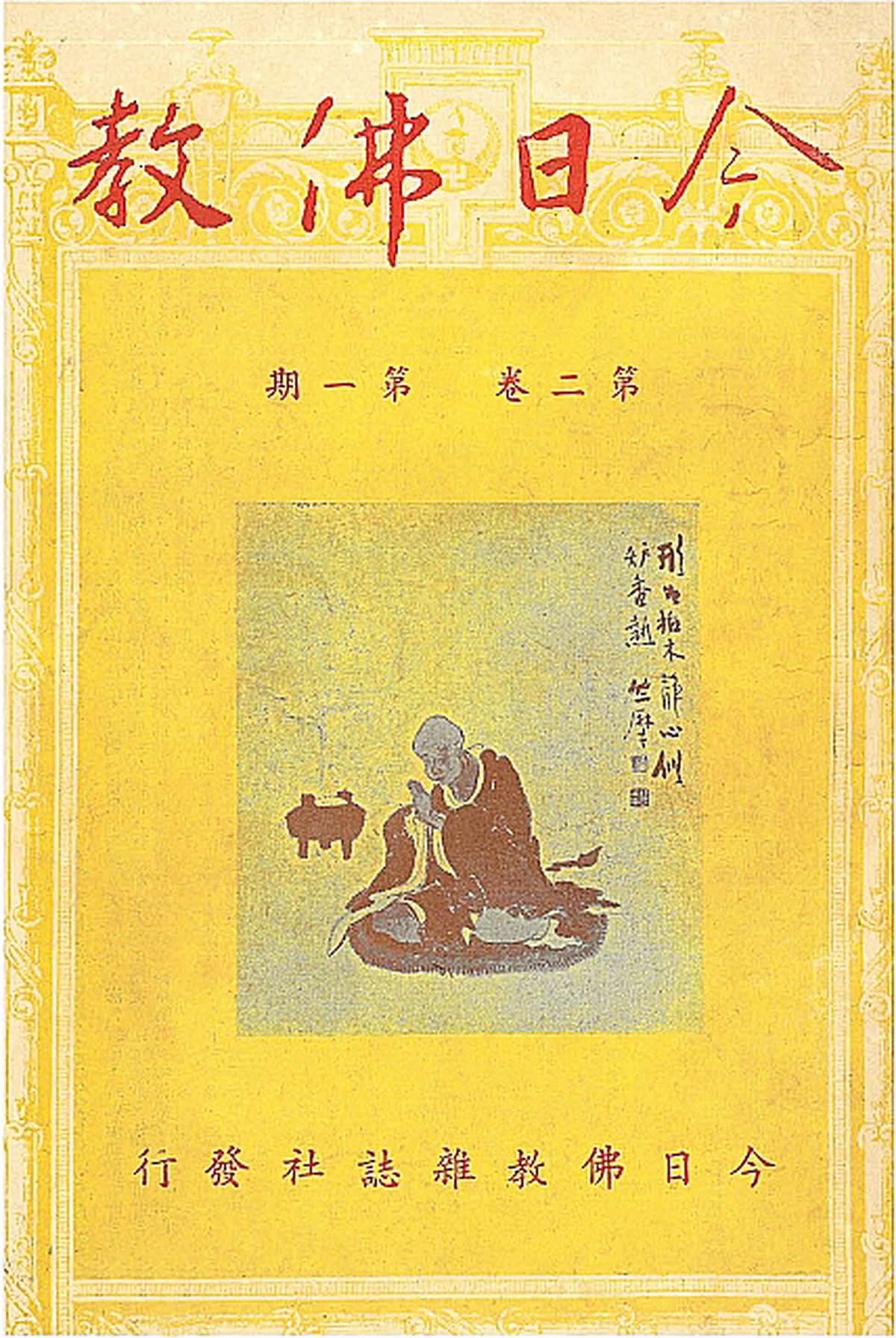
Propagating the Dharma through the prajna of words has been an ideal Venerable Master Hsing Yun firmly upholds. In December 1957, Venerables Kuang-tz'u and Zhu Yun founded Buddhism Today Magazine, but after the second issue, it became difficult to sustain, so they invited him to join. At the time, he was already running Awakening the World Periodical while propagating the Dharma in various places, and really had no extra capacity to serve as editor-in-chief of Today's Buddhism. However, being naturally inclined to help others, he suggested inviting Venerables Yan Pei and Wu Yi to jointly form an editorial committee. Working together, everyone nominated him to take charge of editorial and other duties.

Although he was burdened with multiple responsibilities, traveling between Taipei, Yilan, and Kaohsiung every month, truly exhausted, the Dharma joy of serving Buddhism and the tide of favorable reviews constantly encouraged him. He resolved to do even better to live up to everyone's expectations.

August 9, 1959

Establishing the "Youth Association" at the Yilan Buddhist Chanting Association

Buddhism is a religion that greatly values youth. In most images of Buddhas and Bodhisattvas, there are no beards or wrinkles. Youth have a definite place in Buddhism, they possess complete wisdom, are full of enthusiasm, and are courageous and diligent, making the world more harmonious and beautiful.

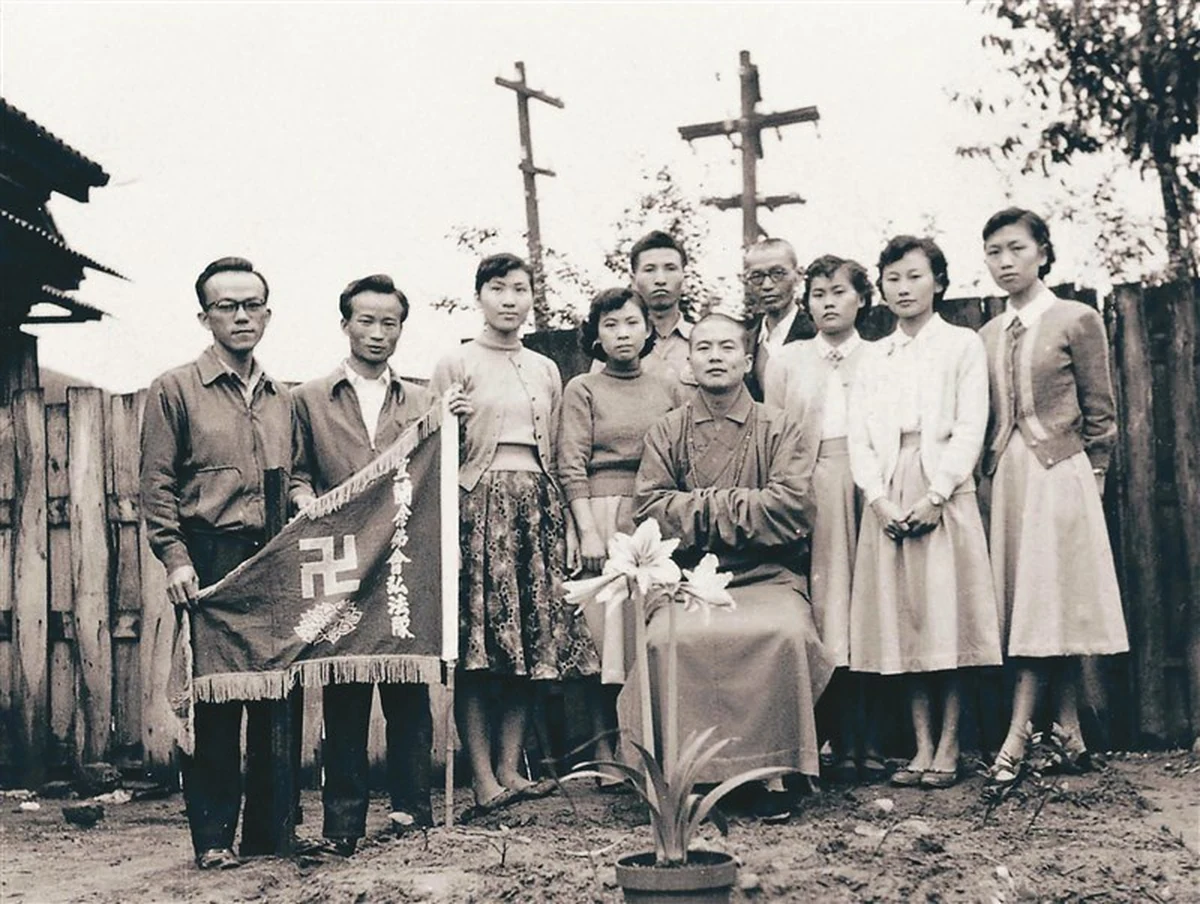
On August 9, 1959, Venerable Master Hsing Yun established the "Youth Association" at the Yilan Buddhist Chanting Association, composed of over 40 young people from various universities and colleges, including Chang Tzu-ping, Lin Tzu-lung, Lin Ching-chih, Yeh Cheng-hsing, and Chen Hsiu-ping. Lin Ching-chih served as the first president. The curriculum included: Buddhist studies, sutra and treatise guidance, liturgical hymns, biographies of eminent monks, Buddhist etiquette, Chan poetry recitation, Buddhist discussion forums, and various practices.

Additionally, they often used holidays to gather youth association members for outings, temple visits, charitable community service, or Dharma propagation activities. Through participation in these activities, young people grew in wisdom through the Dharma, and Buddhism flourished with the addition of these vibrant young people, bringing a fresh current and unlimited hope.

September 3, 1959

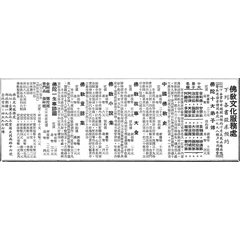
Establishing the Buddhist Cultural Service Center

In 1959, Venerable Master Hsing Yun established the Buddhist Cultural Service Center in Sanchong, Taipei. Besides distributing Buddhist books and artifacts, through publishing and editing, they also nurtured many outstanding talents for Buddhism. For example, Tzu Chuang, Tzu Hui, and others entered Buddhism because they enjoyed writing and appreciated his corrections of their articles. They later worked at the Cultural Service Center in Sanchong. They created many brilliant records in Buddhist culture. For instance, the bilingual Chinese-English Buddhist Series they printed, including the "Sutras Section" and "Doctrine Section," were popular publications that made enormous contributions to establishing the roots of early Taiwan Buddhist culture.

September 30, 1959

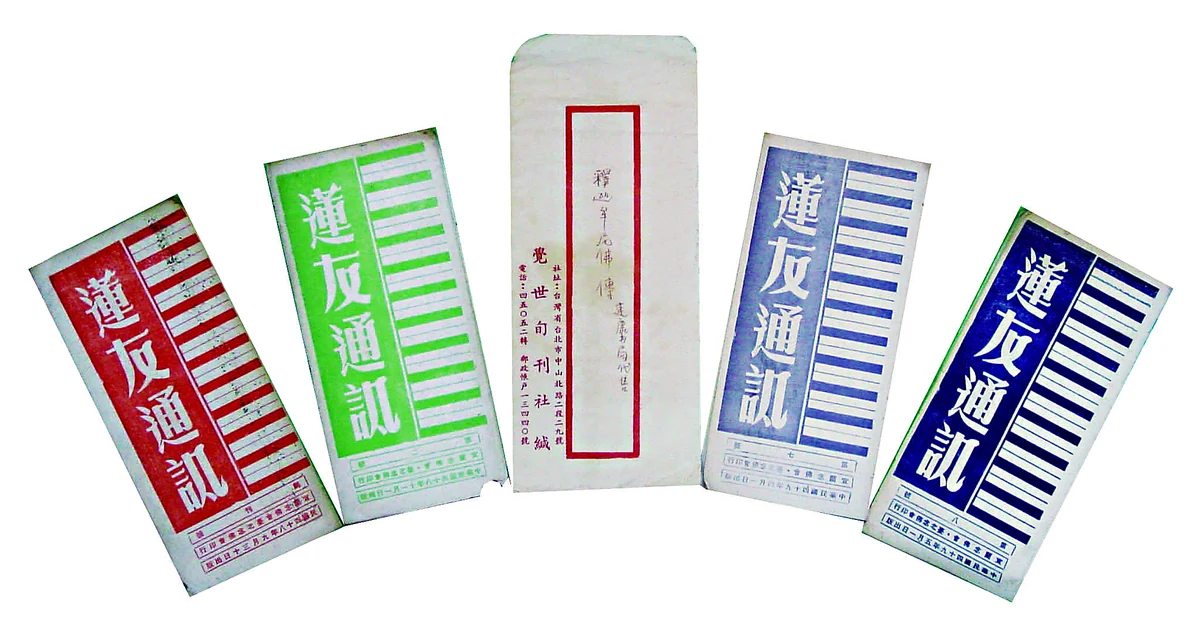
Publishing Lotus Friend Newsletter Biweekly

While propagating the Dharma in Yilan, besides writing for local publications like National Light Magazine and Yilan Youth, Venerable Master Hsing Yun also compiled and printed Lotus Friend Newsletter, published every two weeks. At that time, he entrusted the printing to a young man named Wu Tien-Ssu (Venerable Hsin Ping), whose family ran the Chunghwa Printing Factory. Because of this newsletter, he guided him to renounce and follow him, he later became Venerable Hsin Ping, the fourth abbot of the second generation of Fo Guang Shan.

Additionally, under his guidance, the Yilan Buddhist Chanting Association's student association simultaneously published Thunder Sound Magazine. In fact, he has made some contributions to advancing Taiwan's publishing industry. For example, Chu Chiao's talent in helping him edit Awakening the World Periodical and Buddhism Today Magazine was appreciated by Youth Literary, which invited him to serve as editor-in-chief. At the time, he suggested he make the headlines bigger and not crowd the text too densely. When it was published, it caused quite a sensation, and many magazines followed suit with makeovers, sparking a major reform movement in Taiwan magazine editing.

July 1960

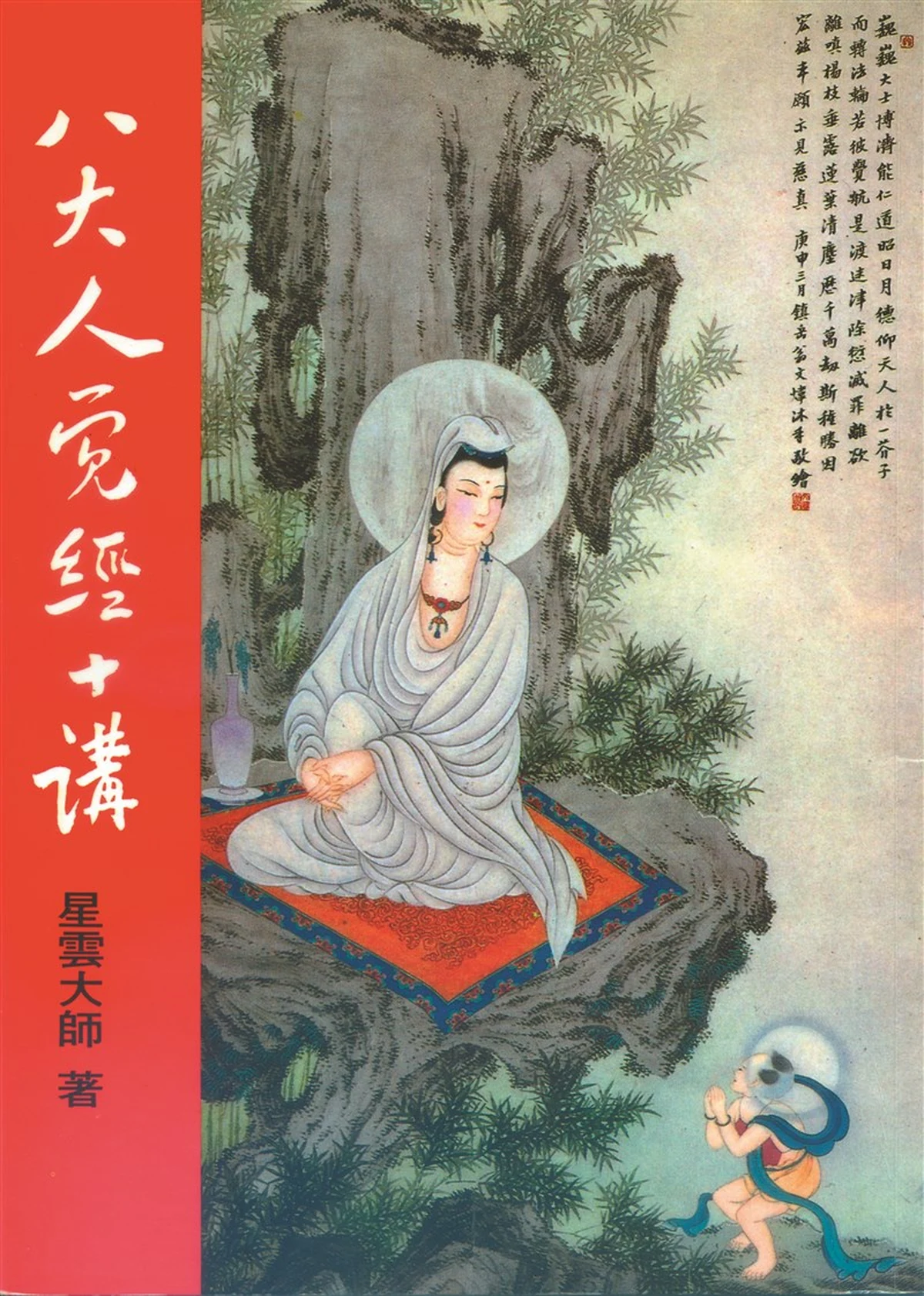
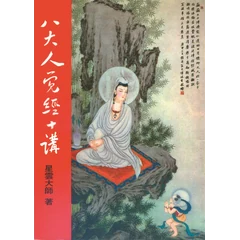
Publication of The Great Realizations: A Commentary on the Eight Realizations of a Bodhisattva Sutra

In October 1955, Venerable Master Hsing Yun lectured on the Sutra of the Eight Realizations of Great Beings in Yilan, distributing handouts daily for listeners' reference. Everyone found this sutra quite interesting, and many people participated in comprehension tests. Tzu Chuang from Yilan was responsible for mimeographing the handouts, while Tzu Hua from Kaohsiung had them typeset and printed for distribution to listeners. Recordings of the lectures were also broadcast on Ming Pen Broadcasting Company and Cheng Sheng Broadcasting Corp.

In October 1959, he lectured on the Sutra of the Eight Realizations of Great Beings for the third time in Taipei. Miss Wu Tzu-yu from National Taiwan University's College of Medicine listened while referencing his old handouts and transcribed it into a book.

Li Tzu-wen, the program director of Cheng Sheng Broadcasting Corp, wrote to say that some listeners had pooled funds requesting that he publish this commentary for distribution. Just as Wu Tzu-yu's transcription was submitted, he gave it to the Buddhist Cultural Service Center for printing, this is the story and conditions behind the publication of The Great Realizations: A Commentary on the Eight Realizations of a Bodhisattva Sutra.

February 11, 1961

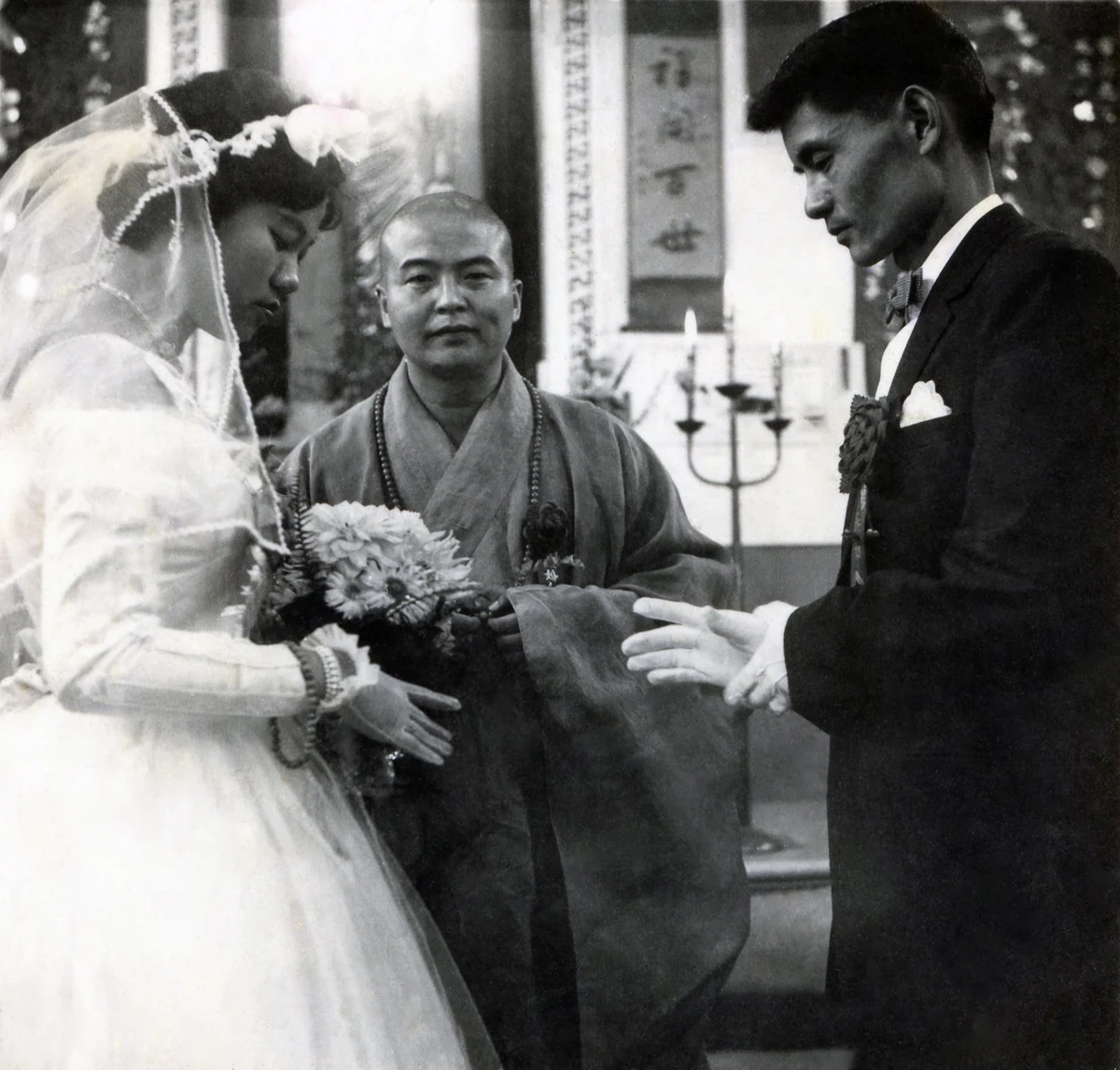
Venerable Master Officiates the First Buddhist Wedding Ceremony

In the past, Master Taixu had promoted Buddhist wedding ceremonies at the Shanghai Buddhist Youth Association. In early Taiwan, even though some people held Buddhist weddings, the conservative thinking of Buddhist elders meant these did not receive their approval.

On February 11, 1961, Venerable Master Hsing Yun officiated a Buddhist wedding ceremony at the Yilan Buddhist Chanting Association for Miss Chang Kuang-zhen, daughter of Mr. Chang Wen-ping, the Yilan Operations Segment Chief of the Taiwan Railways Administration, and Mr. Li Chi-mao of the Political Warfare Academy. The Buddhist Youth Choir of the Yilan Buddhist Chanting Association performed the "Buddhist Wedding Song" he had written to bless the newlyweds.

Buddhist wedding ceremonies held before the Buddha are simple yet dignified. Especially when blessed by eminent monastics and taking vows before the Buddha, the couple shares a common faith and conviction, relying together on the Dharma as their vessel. Throughout life's journey, they can share trials and tribulations, support each other, and through this Buddhist connection, be united forever, better ensuring a happy and fulfilling marriage. Today, Buddhist wedding ceremonies, responding to the trends of the times and the fervent requests of lay devotees, have gradually spread to all levels of society.

April 1, 1962

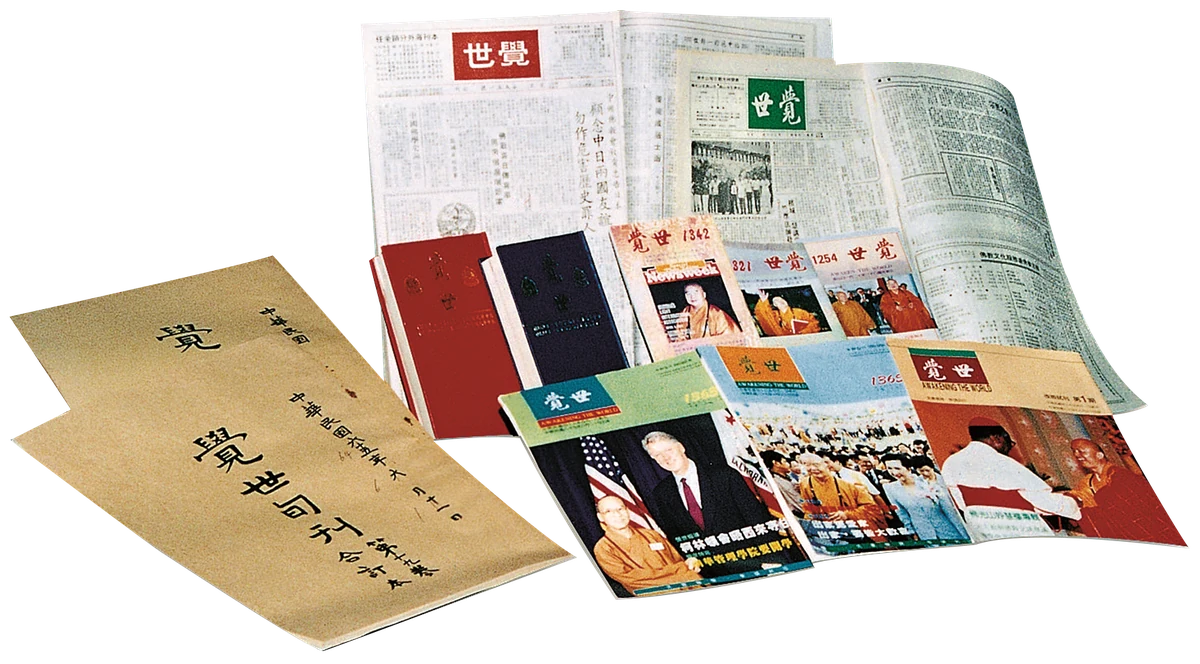
Serving as Publisher of Awakening the World Periodical

On April 1, 1962, Venerable Master Hsing Yun took over Awakening the World Periodical from Mr. Chang Jo-hsu, serving as publisher starting from Issue 181, and invited Mr. Chen Hui-chien to serve as editor-in-chief. Three months later, he took over as editor himself. Through the dissemination of Awakening the World Periodical, they successively helped establish Chih Kuang Vocational High School in Yonghe, Taipei; Puti Hospital in Taichung; the founding of Fo Guang Shan; and assisted many temples with Buddha statues, sutra printing, ordination ceremonies, and disaster relief. Awakening the World's greatest contributions to Buddhism can be said to be:

1) Helping raise funds for the establishment of Chih Kuang Vocational High School;
2) Helping with the initial construction of Fo Guang Shan;
3) Generating public discourse and upholding justice.

For example, in the column "Sparse Rain Collection," which he personally wrote (later renamed "Ten-Day Talks"), the articles offered critiques of the contemporary state of Buddhism and made positive contributions to both Buddhism and society. Out of compassion, they voiced their opposition to bullfighting. At the time, the Legislative Yuan drew upon one of Awakening the World's editorials, which ultimately led to the cancellation of this violent spectacle.

August 5, 1962

Typhoon Opal Severely Damages Lei Yin Temple

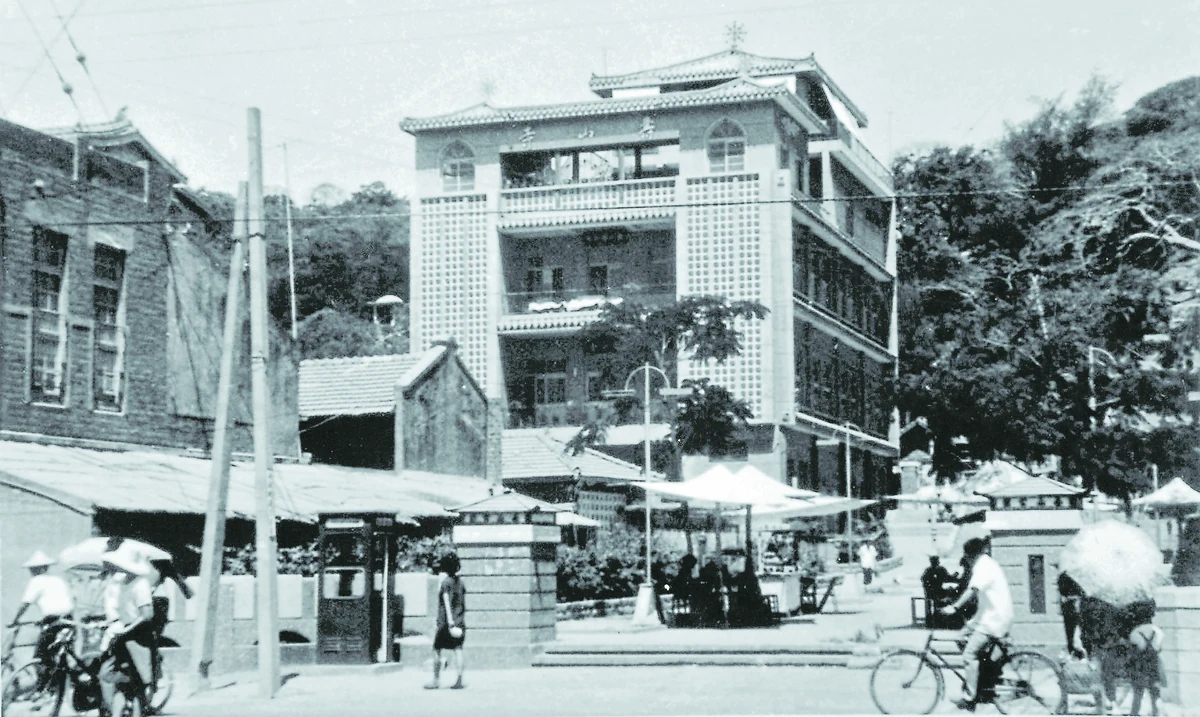
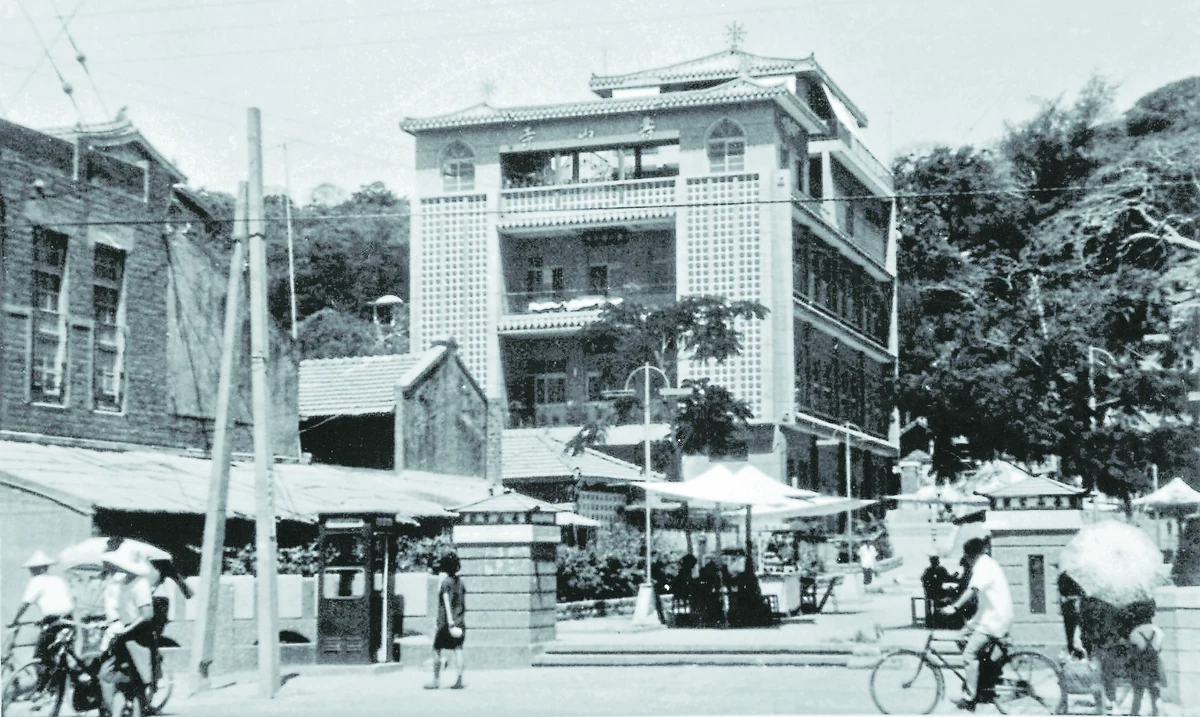
On August 5, 1962, Typhoon Opal swept through Yilan, damaging the main shrine of Lei Yin Temple. Among Fo Guang Shan's branch temples, Lei Yin Temple in Yilan in the north and Shou Shan Temple in Kaohsiung in the south were Venerable Master Hsing Yun's earliest bases for propagation, crucially important to his lifelong propagation work.

Lei Yin Temple, originally called the Yilan Buddhist Chanting Association, was a small temple of the Longhua sect of the Zhai Jiao (Taiwanese folk vegetarian religion). Usually, only an elderly nun named Miao Chuan resided there, with no other monastics. Occasionally, wandering monks were allowed temporary lodging.

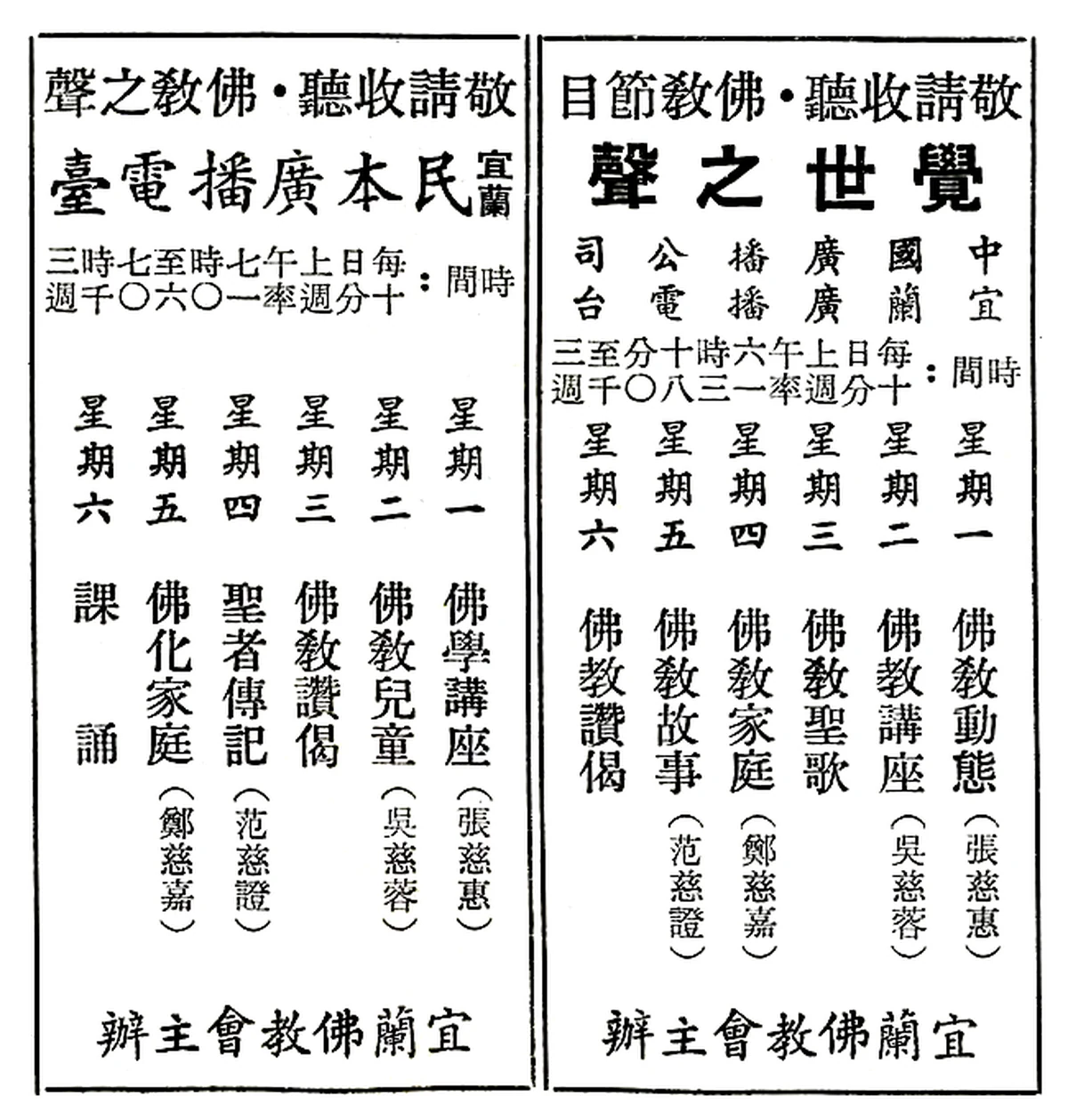
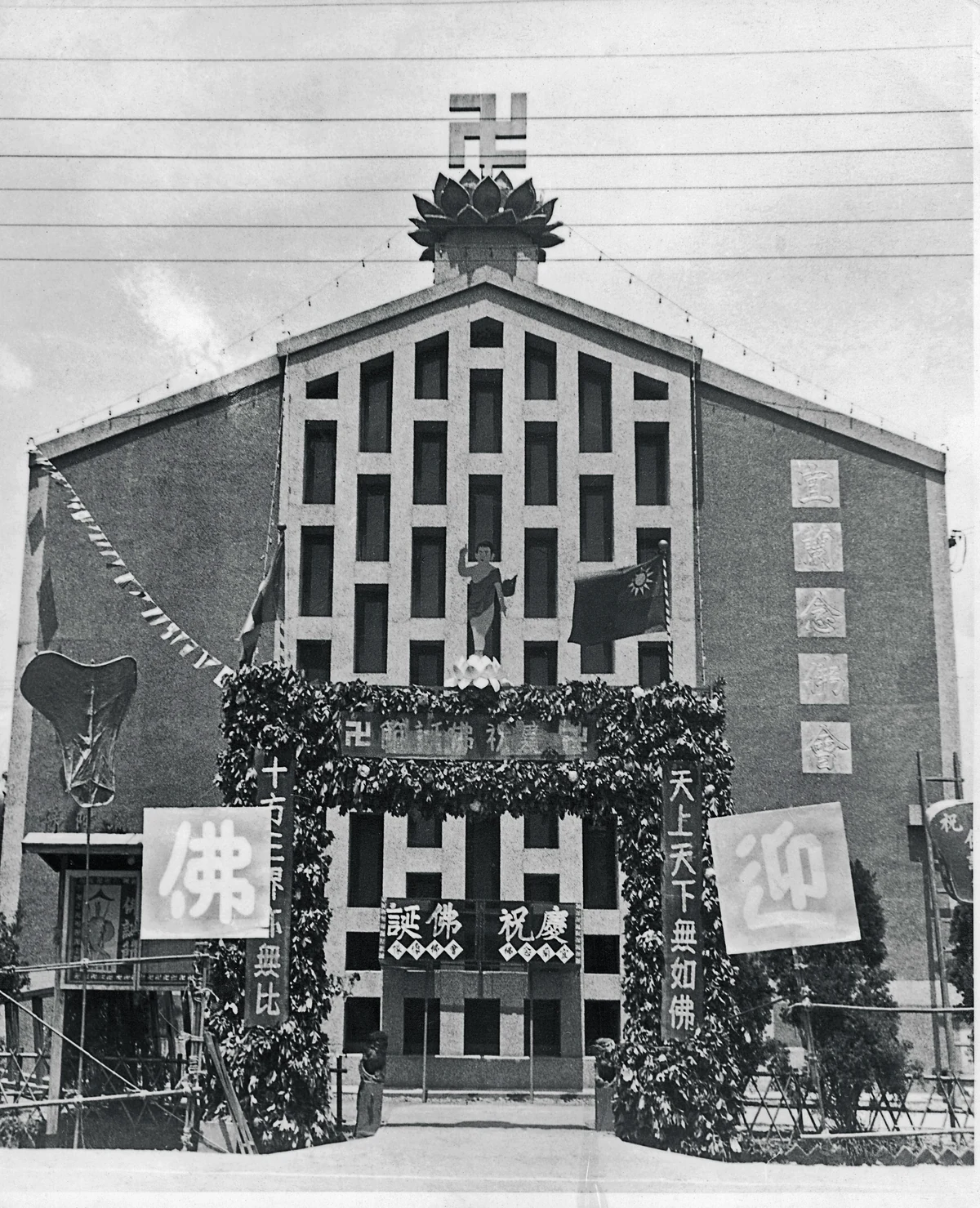
In 1953, at the invitation of Yilan gentry Li Chueh-he, Chang Hui-shui, Lin Sung-nien, and others, he came to Lei Yin Temple to lecture, beginning his connection with Yilan. Later, due to the sincere Dharma-seeking of Yilan devotees, he decided to stay and propagate locally, creating many "firsts," the first kindergarten, first lecture hall, first choir, first radio propagation, first island-wide propagation tour, first home visitations, first Sunday school (children's class), first village propagation, Buddhist souvenirs, swastika necklaces, and prayer beads. Without the early promotion of Buddhism in Yilan, Taiwan Buddhism would not have grown as it has today.

June 26, 1963

Organizing the "Republic of China Buddhist Goodwill Delegation" to Visit Multiple Countries

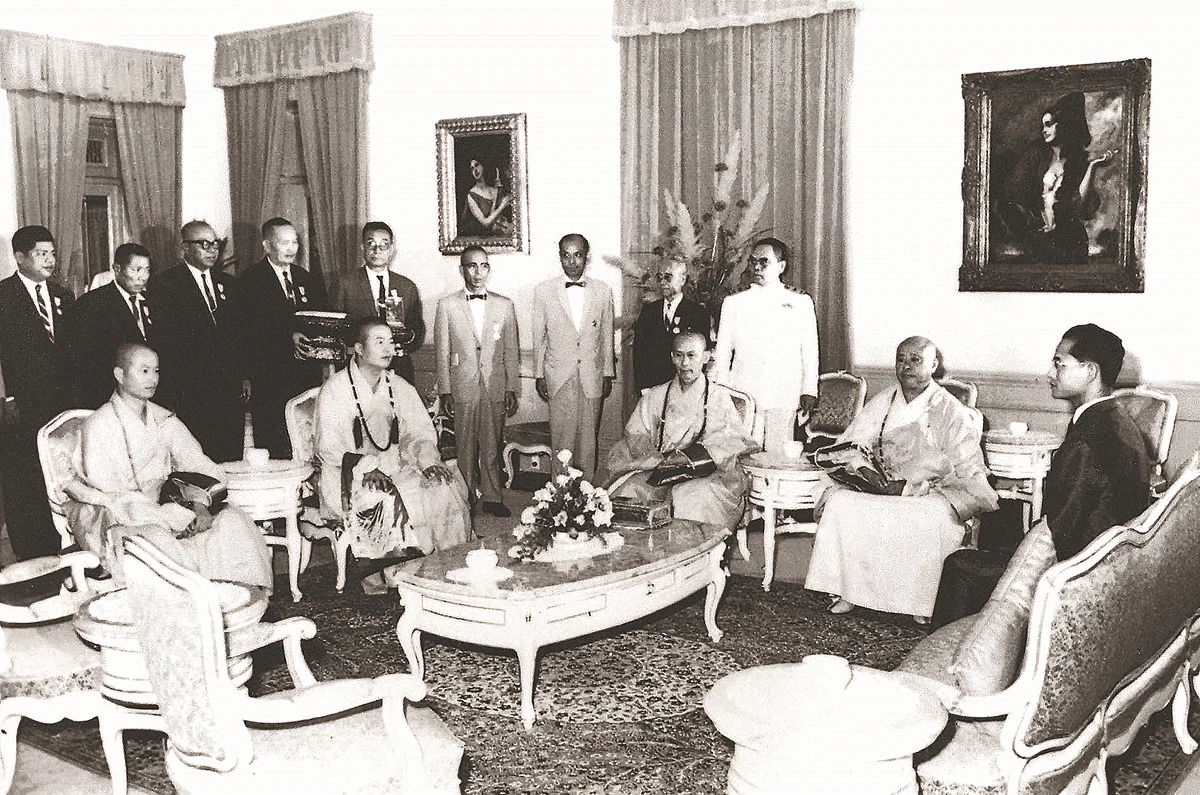
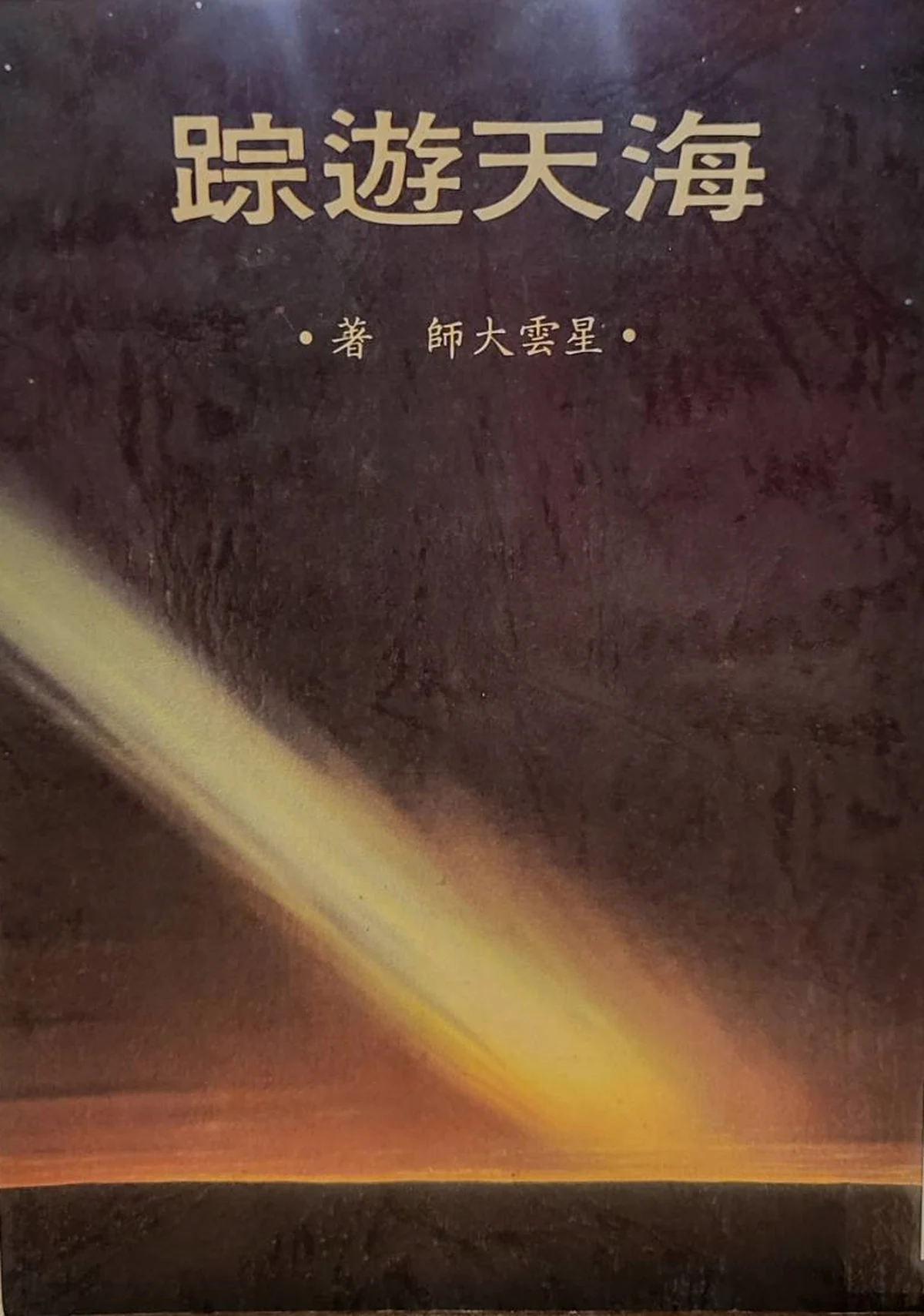
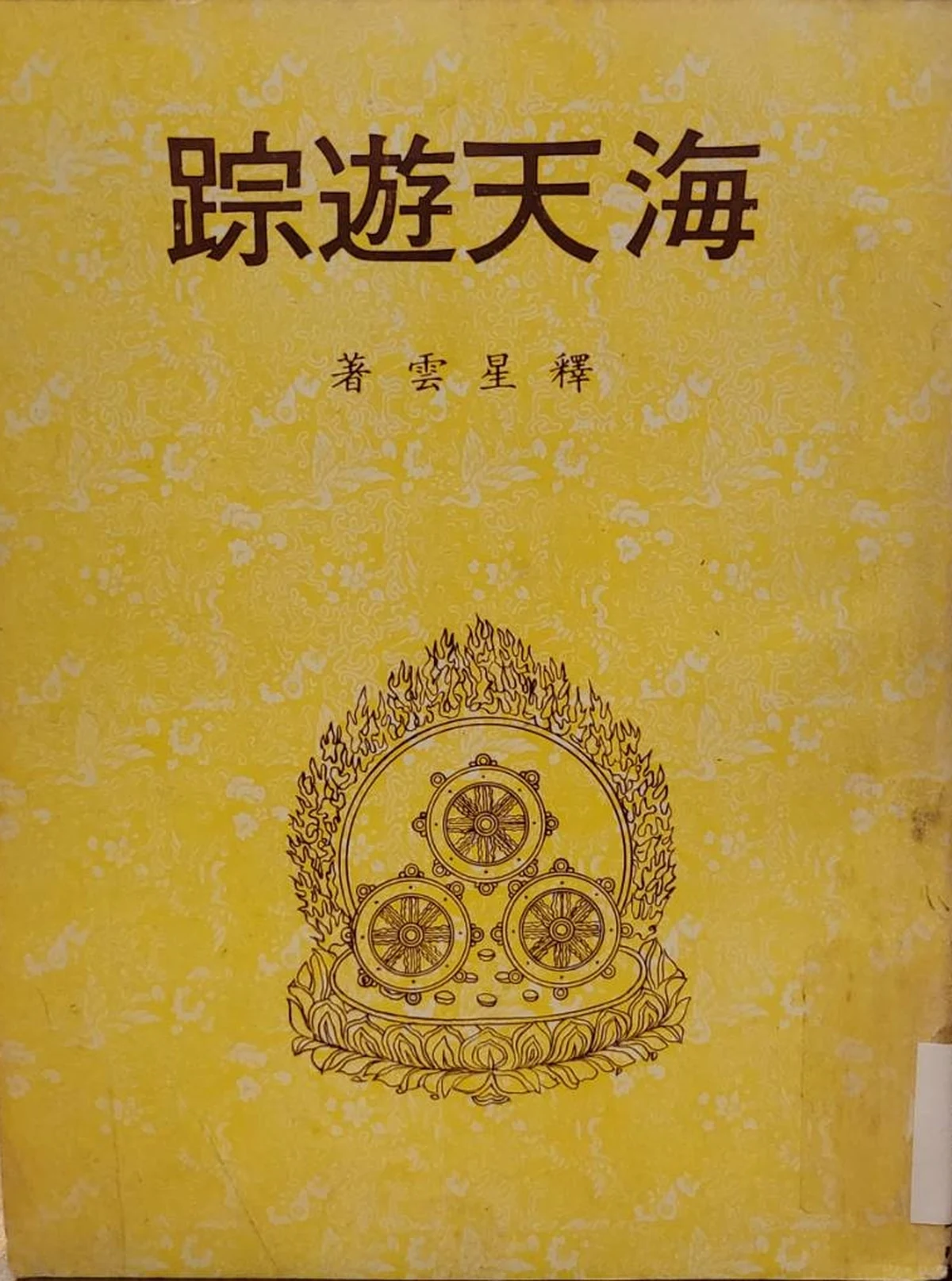
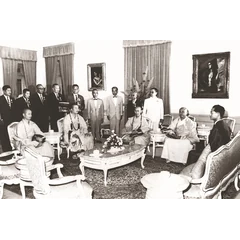
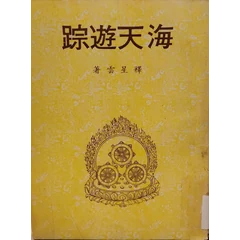
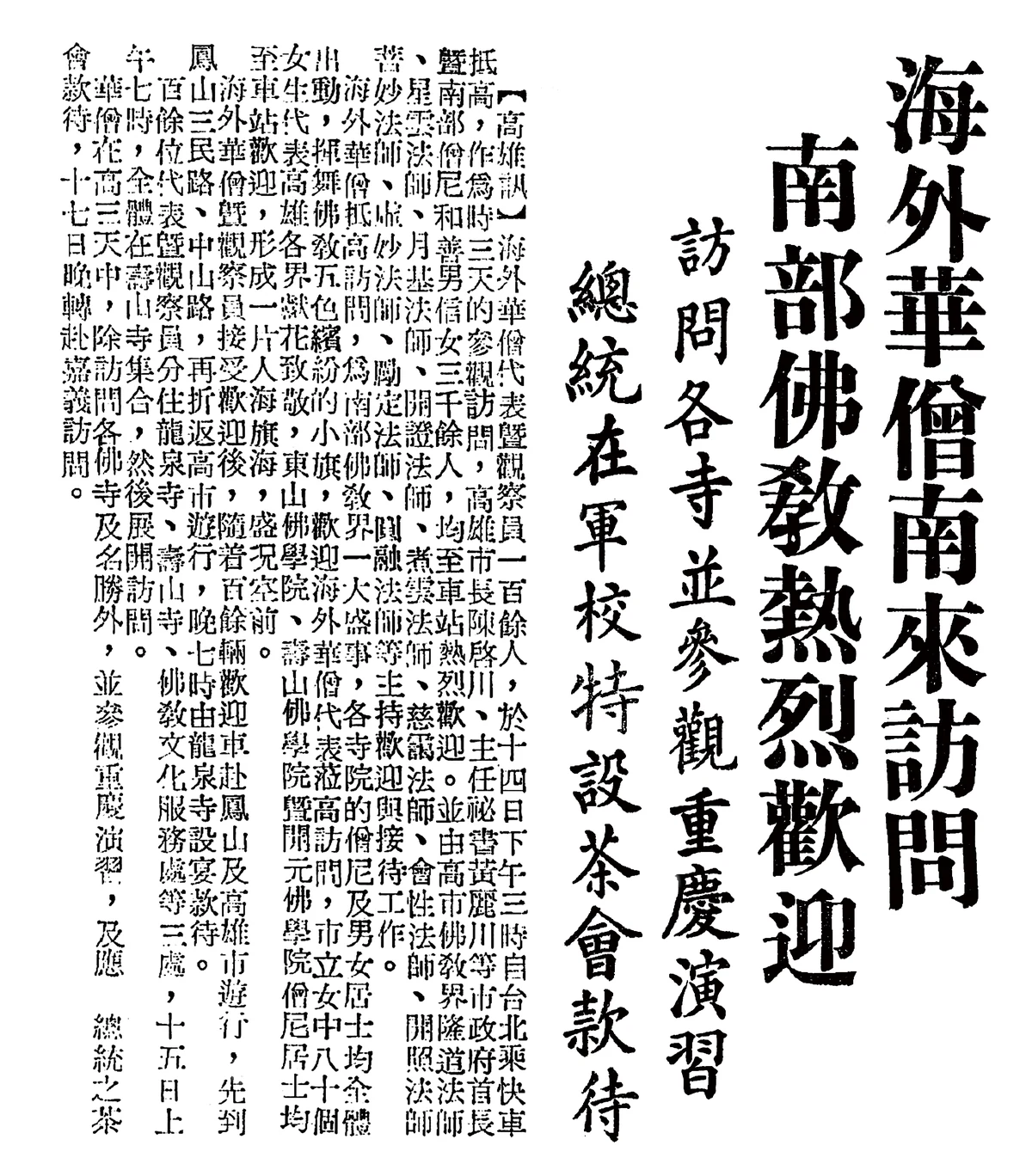
In June 1963, Venerable Master Hsing Yun accompanied the "Republic of China Buddhist Goodwill Delegation" on a two-and-a-half month visit to Thailand, India, Malaysia, Singapore, the Philippines, Japan, Hong Kong, and other regions. During this journey, they met with King Bhumibol of Thailand, Indian Prime Minister Jawaharlal Nehru, and Philippine President Diosdado Macapagal. Throughout the trip, he kept a daily journal, which was later compiled into the book Traces Over the Sky and Ocean. Prime Minister Nehru showed them a Buddha statue enshrined on his desk and expressed India's pride in its Buddhist heritage. He remarked that Buddhists should regard the promotion of the Buddha's spirit of peace as their shared responsibility. The Philippines, though a predominantly Catholic country, nonetheless saw President Macapagal receive them at the Presidential Palace and even invite them to propagate Buddhism there.
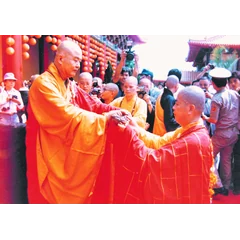
Thirty years later, he transformed the former Soviet embassy in Manila into FGS Mabuhay Temple, thereby fulfilling his original promise. Thirty-five years later, he transmitted the International Triple Platform Full Ordination Ceremony in India, bringing together preceptees from both Northern and Southern Buddhist traditions, beginning with unity and peace within the Buddhist community itself, in response to Prime Minister Nehru's goodwill.

September 29, 1963

Giving Up a Retreat Room to Venerable Sheng Yen

Venerable Master Hsing Yun had originally planned to enter a solitary retreat in Meinong, Kaohsiung. Venerable Hui-ting, the abbot of Chaoyuan Temple in Meinong, was his student when he was Dean of Academic Affairs at the Taiwan Buddhist Seminar. She specially prepared a retreat room for him. When Venerable Master later learned that Venerable Sheng Yen also had this intention, he gave him the retreat room and often visited him, advising him on how to study the Tripitaka and write.

Six years passed, and when he emerged from retreat to propagate the Dharma, Venerable Master was delighted to see Buddhism had gained another young talent, Venerable Master was truly happy. Later, because his identification card did not have his parents' names, he could not obtain a US visa to accept an invitation to propagate in New York. When Venerable Master heard about this, he immediately helped by asking Chief Inspector Chiang Chen-hsun of the Kaohsiung City Police Department to find a way to add his parents' names to his identification card. Not long after, Venerable Sheng Yen went to America to serve as an abbot, and Venerable Master was overjoyed that the great Dharma could thus travel west.

December 30, 1963

Senior Disciple Venerable Hsin Ping Tonsured

On December 30, 1963, Venerable Master Hsing Yun's senior disciple Venerable Hsin Ping was tonsured, becoming the 49th generation of the Linji school, the 6th generation of Qixia lineage, and the 2nd generation disciple of Fo Guang Shan Monastery. The following year, he received ordination at Shifang Dajue Temple in Keelung.

In 1967, when Fo Guang Shan was first being developed, it was all thorny bamboo groves and rugged ravines everywhere, truly "not three feet of flat ground, with bamboo higher than thirty feet." Many people shook their heads in discouragement. One night, as he was looking at the construction blueprints in a thatched hut, he said to Hsin Ping beside him: "It seems building this monastery will not be easy!"

Hsin Ping immediately replied: "Master, I remember when you were in Yilan, you often told us we must have the courage to face difficulties! I am willing to follow your footsteps and break through all obstacles." Hsin Ping truly deserved to be the first to renounce under Venerable Master, he understood Venerable Master's intentions best. Later, his help in developing the mountain relieved Venerable Master of worries.

November 29, 1964

Founding Shou Shan Buddhist College

When the construction of Shou Shan Temple in Kaohsiung began, Venerable Master Hsing Yun initially had no intention of residing there. His sole aspiration was to propagate the Dharma and engage in cultural and educational work. For this reason, he even contributed 20,000 yuan toward the land purchase, becoming one of the initiators of the temple's establishment.

The site of Shou Shan Temple had originally been intended for a hotel, and a businessman had already excavated the foundation. Later, devotees approached him with a request to transfer the land for use as a Buddhist center. The people of Kaohsiung are truly admirable, upon learning that the land would be used for Buddhism, he readily agreed.

Construction began in February 1963, and the temple was completed on November 29, 1964. He personally wrote "The Origin of Shou Shan Temple's Founding," clearly stipulating that "Shou Shan Temple shall forever be a monastery for the ten-direction Sangha; only monastics may serve as abbot or superintendent, while lay devotees may only serve as protectors of the Dharma." This was to ensure that "monastic affairs are decided by monastics" and to prevent future complications.

1965

Chanting All Night at Funeral Homes to Fund Education

Venerable Master Hsing Yun has always valued nurturing talent. When he first planned to establish a Buddhist college, he encountered numerous difficulties. Some well-meaning people advised him not to pursue education, as educational endeavors require tremendous effort, and even with results, they are not immediately visible. Not only would no one offer genuine affirmation or praise, but some even warned him: "You and your students will starve." "After you have nothing left, devotees won't dare approach you."

Despite this, Venerable Master pressed forward without hesitation. To cover the daily expenses of Shou Shan Buddhist College, he, who had never performed ritual services for the deceased, often went to funeral homes to chant sutras and to morgues to chant Buddha's name all night for the newly deceased, all to earn more funds for education. Although many students registered, due to the small classroom and insufficient dormitories, they could only admit 20 students for the first class.

Over decades, they have grown from one Buddhist college to over a dozen worldwide, in Africa, Australia, America, Malaysia, India, Indonesia, and elsewhere, nurturing young monastics propagating the Dharma on five continents, becoming the seed troops for promoting Humanistic Buddhism and developing international Buddhism.

February 1965

Planning and Building Chih-Kuang Vocational High School of Business & Technology

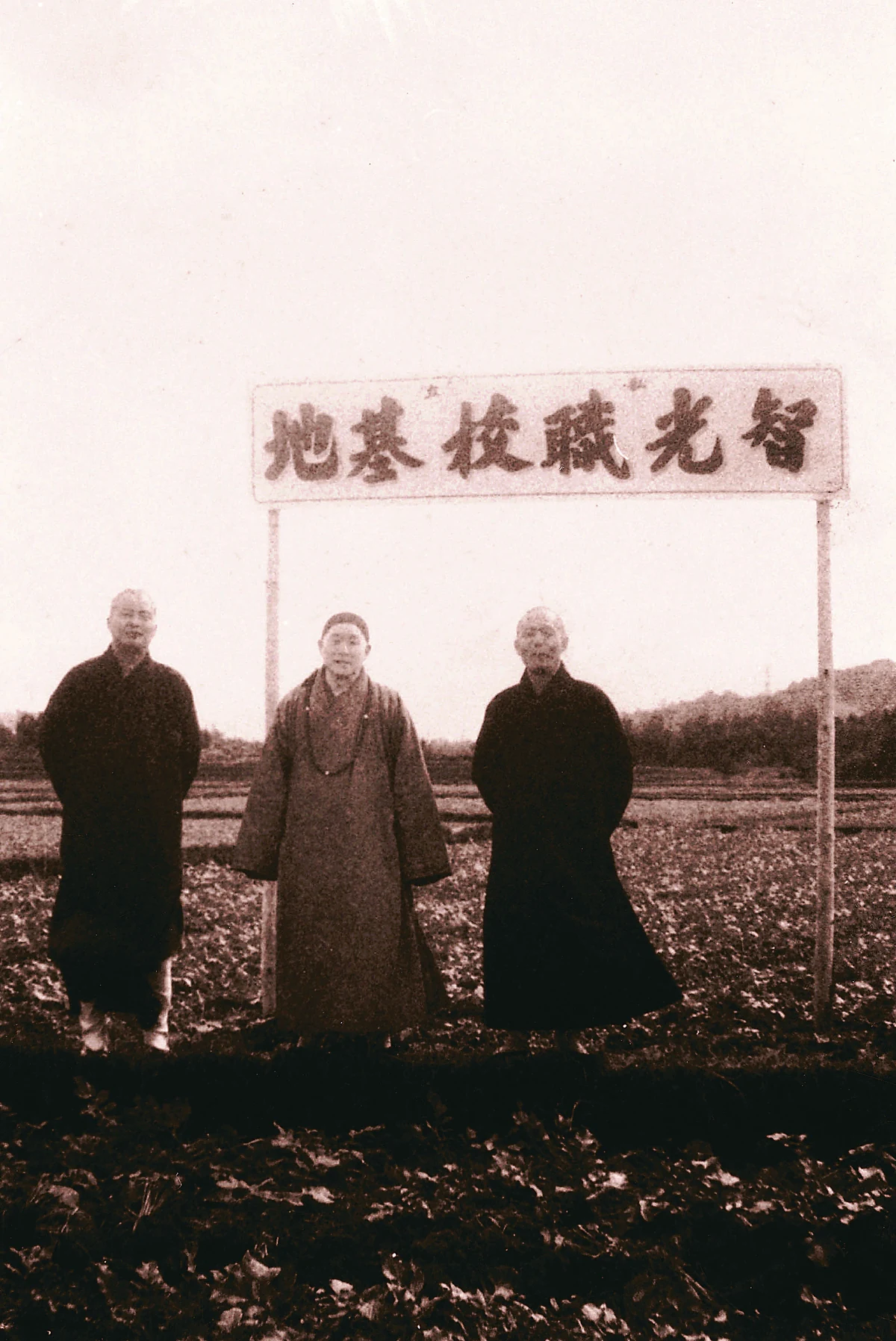
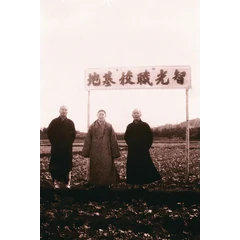
In 1965, Venerable Master Hsing Yun joined Venerables Nan Ting and Wu Yi in initiating the establishment of Chih-Kuang Vocational High School of Business & Technology. At that time, there was a devotee from Fuzhou named Chen Hsiu-ping, who was a member of the Yilan Dharma Propagation Team. Some of his fellow provincials were engineers at Taiwan Power Company and had all attended his lectures, so they encouraged Chen Hsiu-ping to establish a secondary school. They were willing to contribute 50,000 yuan each and hoped Venerable Master would also participate, so they purchased the current site of Chih-Kuang High School in Yonghe.

At that time, Venerable Master knew he had no temple as a base in Taipei and no financial backing, so Venerable Master proposed that Elder Nan Ting of Huayen Lotus Association and Venerable Wu Yi of Shan Dao Temple join him in founding it. One could say the school's successful establishment was due to four contributors: first, the Fuzhou compatriots; second, the Awakening the World Periodical publication Venerable Master edited, if one checks the issues from the 1960s, every issue has full-page donor lists for the school construction fundraising; third, Huayen Lotus Association; and fourth, Shan Dao Temple.

March 8, 1965

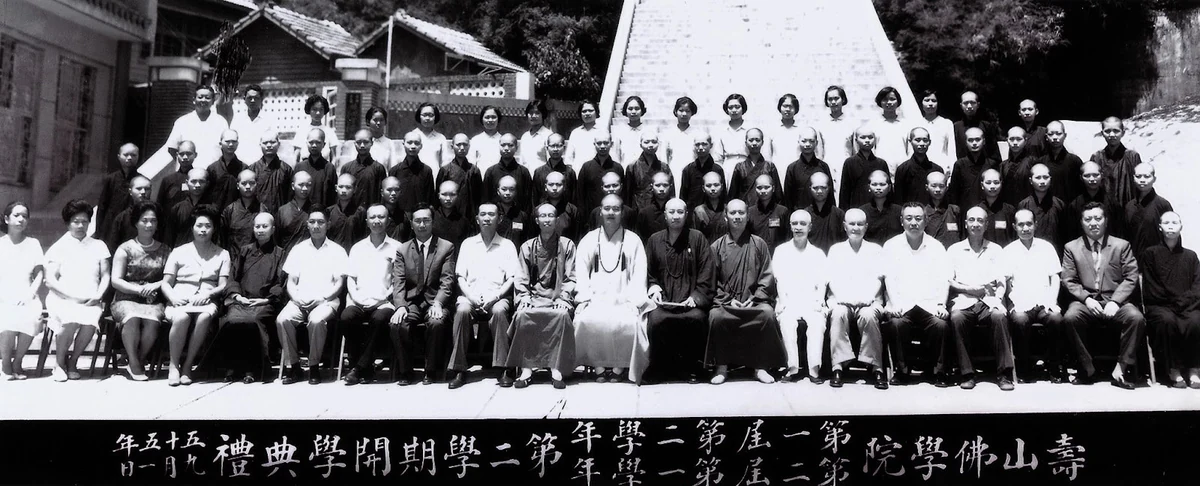
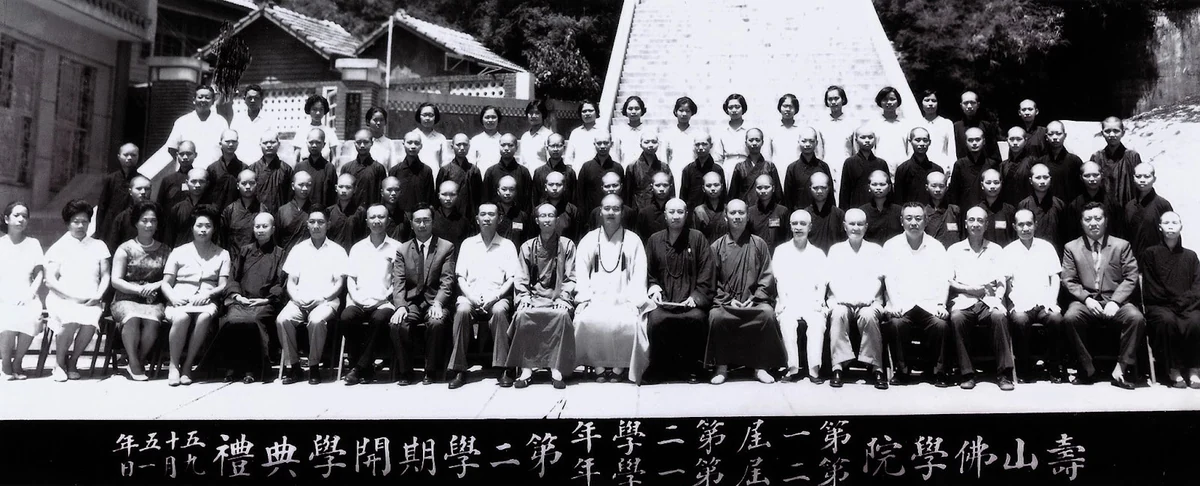
Shou Shan Buddhist College Holds Its First Opening Ceremony

The Taiwan Provincial Buddhist Association established the "Taiwan Buddhist Seminar" in 1951. Venerable Master Hsing Yun was invited to serve as Dean of Academic Affairs, with the aspiration to nurture talent for Buddhism and revitalize the aging, declining Buddhist community. Unfortunately, due to various circumstances, good things are often delayed, and he left after only two years of teaching.

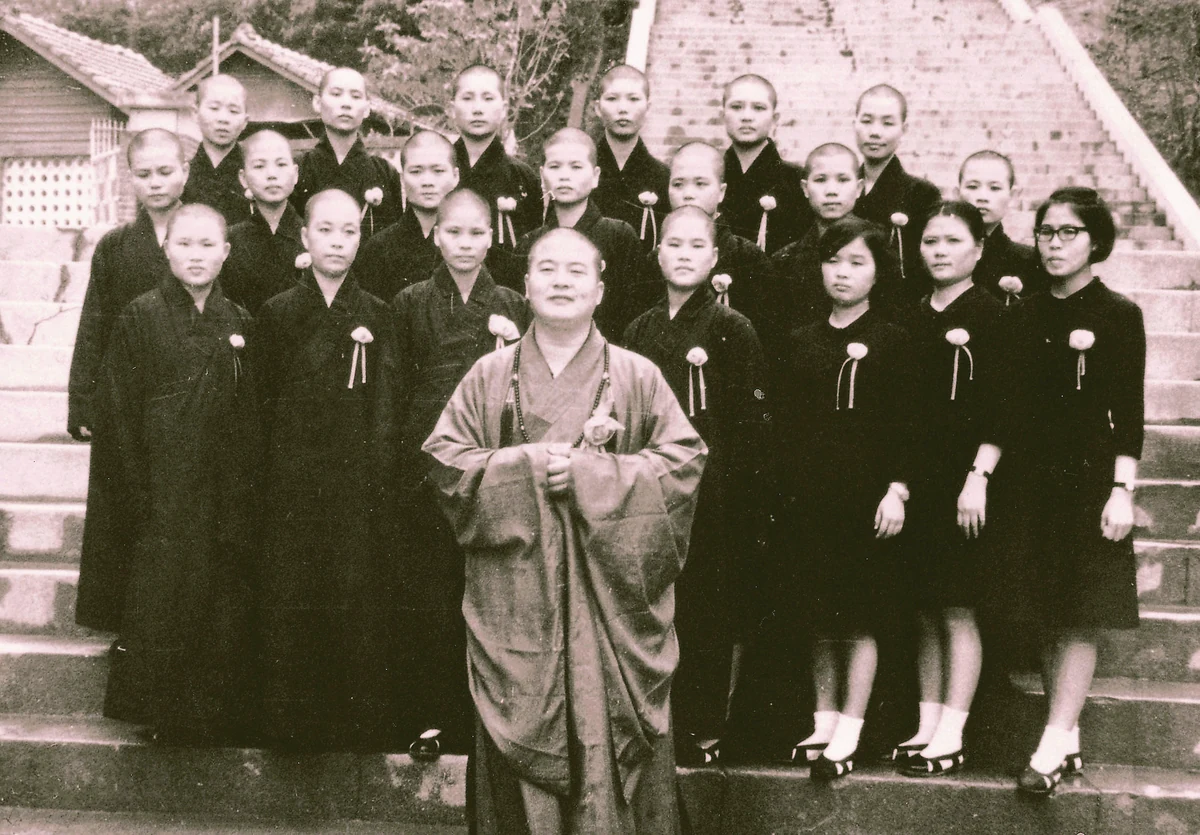
From 1953 to 1963, for ten years he stayed away from the academic world. Since the conditions for formal school education were not yet ripe, he engaged in social education work, embarking on the path of sutra lectures and Dharma propagation. The first opening ceremony was held on March 8. From then on, he fulfilled his original intention of "nurturing Sangha talent through education," realized the ideal of "the temple is the classroom," and began Fo Guang Shan's Sangha, devotee, and social education.

In 1973, they added a Buddhist university, "Fo Guang Shan Tsung Lin University," renamed "Eastern Buddhist College" in 1977. For general social education, they founded Chih-Kuang Vocational High School of Business & Technology and Pu-Men Senior High School. Education is the fundamental plan for transmitting the torch of national culture. He has devoted his entire life to promoting education without reservation.

July 30, 1965

Publication of Awakening the World Series

In April 1954, Elder Chang Shao-chi and Layman Chang Jo-hsu published Awakening the World Periodical, inviting Venerable Master Hsing Yun to serve as editor-in-chief. A biweekly publication requires an editorial representing the publisher's position for each issue. From the inaugural issue, Venerable Master wrote twelve pieces under the title "Our Words."

In April 1962, after Awakening the World Periodical had published 180 issues, the two Mr. Changs insisted that Venerable Master take over starting from issue 181. He invited Mr. Chen Hui-chien to edit, and he wrote a column called "Sparse Rain Collection," for which he also wrote 28 pieces.

Starting April 1964, the eighth year of Awakening the World Periodical, he wanted to give it a boost, so "Ten-Day Talks" was born. He wrote another 21 pieces.

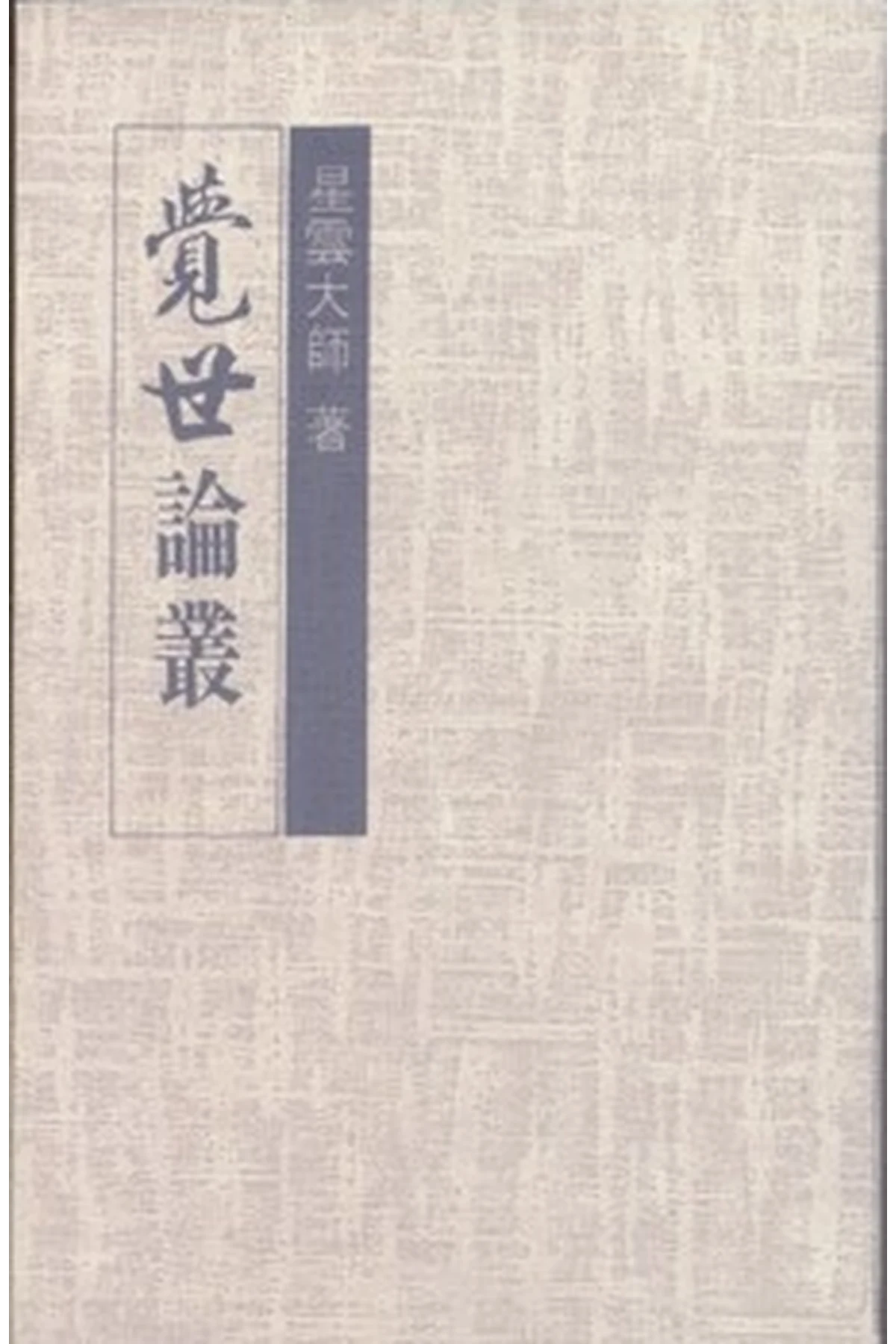
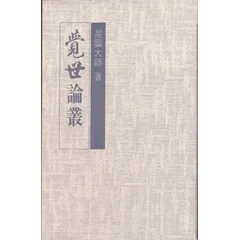
Awakening the World Series was compiled from the previously published "Our Words," "Sparse Rain Collection," and "Ten-Day Talks." It contains 60 short essays, many written with feeling at the time, intermittently over seven or eight years, offending quite a few people. Publishing this collection now is to leave behind a snapshot of Buddhism as he saw it during those seven or eight years.

August 1966

Bravely Defending Buddhism; The Military Command Rescinds the Order to Demolish Shou Shan Temple

In 1964, Venerable Master Hsing Yun built Shou Shan Temple in Kaohsiung. The five-story temple had just been completed when the Kaohsiung Fortress Headquarters ordered its demolition, citing that the building exceeded height limits. Military orders are like mountains, ordinary civilians dare not appeal, and even the city government could not resist, because military needs come first, and civilians must yield to all military requirements.

Venerable Master went alone to argue his case. Calmly, he told the colonel who had ordered the demolition: "You want to demolish Shou Shan Temple, but I must tell you the consequences. Shou Shan Temple was built with donations from countless Kaohsiung citizens. Not only will it cause public resentment, but if word gets out, international opinion may think the government disrespects religion too much! Not long ago, Vietnamese President Ngo Dinh Diem was overthrown precisely because he burned Buddhist flags, causing public outrage." The colonel immediately asked: "Then what should we do? He said: "You just need to send an official document to the Kaohsiung City Government telling them not to demolish, problem solved, isn't it? By standing firm on principle, Venerable Master got the Command to rescind the order, and the storm dissipated like smoke.

November 11, 1966

During the Medicine Buddha Dharma Service at Shou Shan Temple, Lamp Flower Relics Miraculously Appear

Kaohsiung Shou Shan Temple holds the Medicine Buddha Dharma Service every year without interruption. On November 11, 1966, during the service, due to the devotees' sincere devotion, tens of thousands of lamp flower relics miraculously formed, some lamp flowers even produced seven or eight relics each, in various colors. Venerable Master Hsing Yun and the devotees witnessed this with their own eyes.

Strangely, when people took lamp flowers home to light, they could not produce any relics no matter what. If someone spoke, or entered the Buddha hall wearing shoes, the lamp flowers would not produce relics. At that time, dozens of people took shifts day and night tending the hundreds of lamps in the temple. Under the influence of sincere reverence to the Buddha, more and more lamp flower relics formed, greatly increasing the devotees' faith.

Humanistic Buddhism should emphasize prosperity and happiness in this life. One should treasure this rare human birth, diligently cultivate merit and wholesome conditions, so that their future lives will be even better.