mobile menu button

1927-1936

Life of Growing Up

1927 (Age 1)

1928 (Age 2)

1929 (Age 3)

1930 (Age 4)

1931 (Age 5)

1932 (Age 6)

1933 (Age 7)

1934 (Age 8)

1935 (Age 9)

1936 (Age 10)

August 19, 1927
(Lunar 7/22)
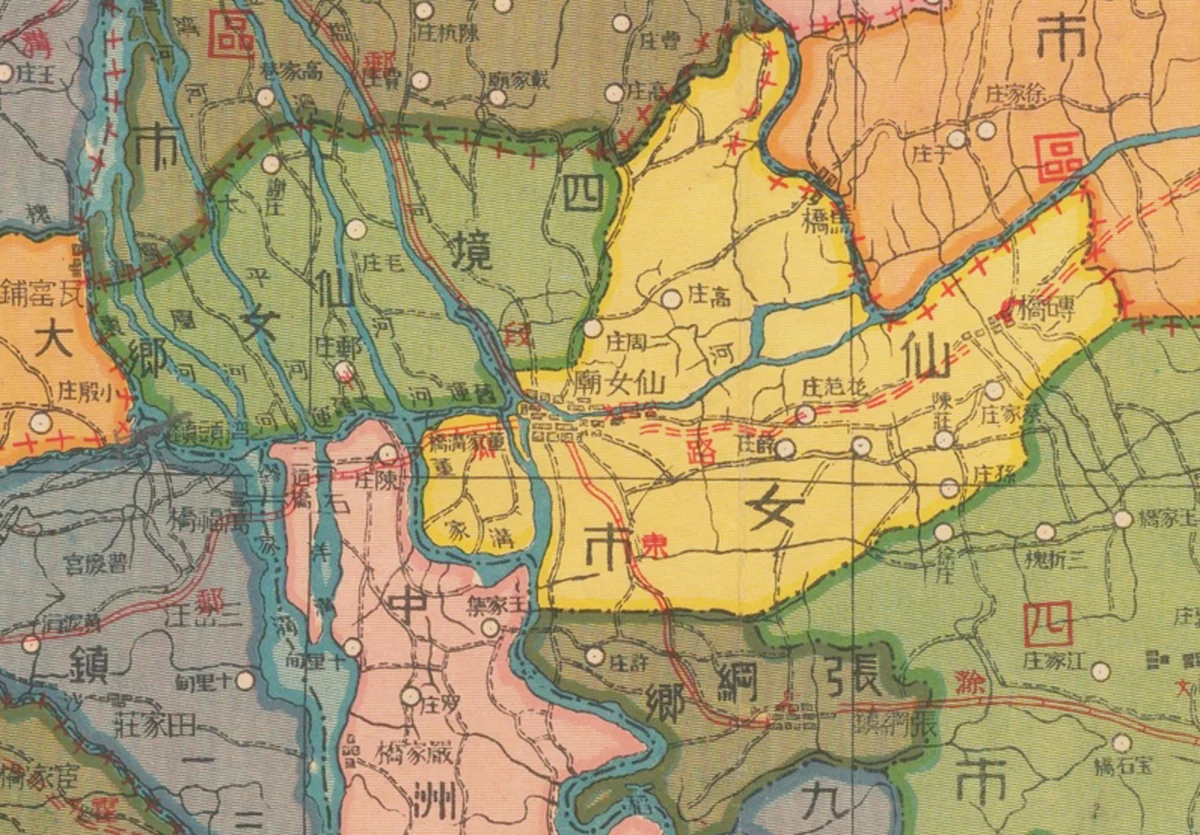
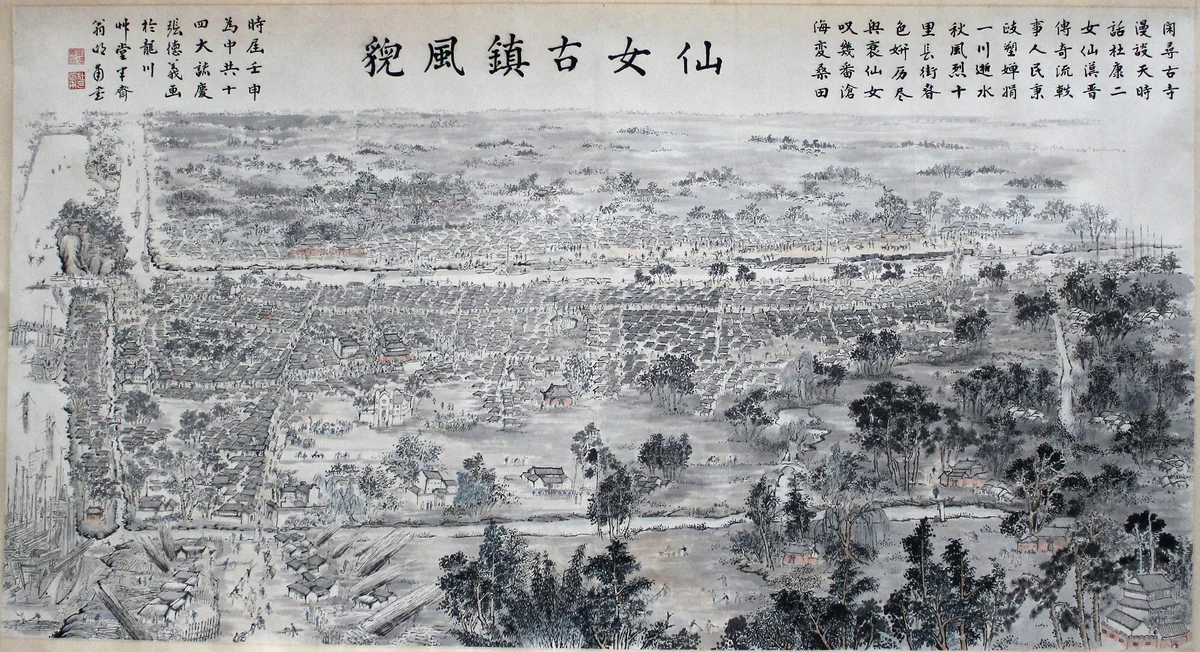
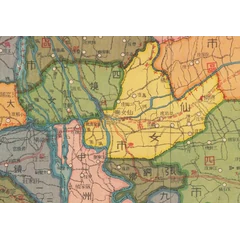
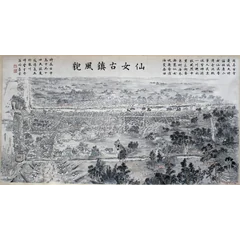
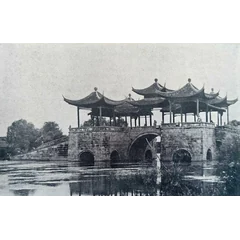
Born in Jiangdu, Jiangsu Province

Venerable Master Hsing Yun was the third of four children, with an older brother and sister, and a younger brother. Having grown up in a poor household with working parents, he was mostly left in the care of his maternal grandmother (Madam Liu Wang), who was a Buddhist and followed a vegetarian diet.

He developed a compassionate nature, protecting living beings and being diligent in his chores. He even collected cow dung and picked up iron nails to sell for small change to help his mother with household expenses. These experiences planted the wholesome roots and conditions for his future renunciation.

1930

"The Li family's tree, it all depends on this little plum turning red."

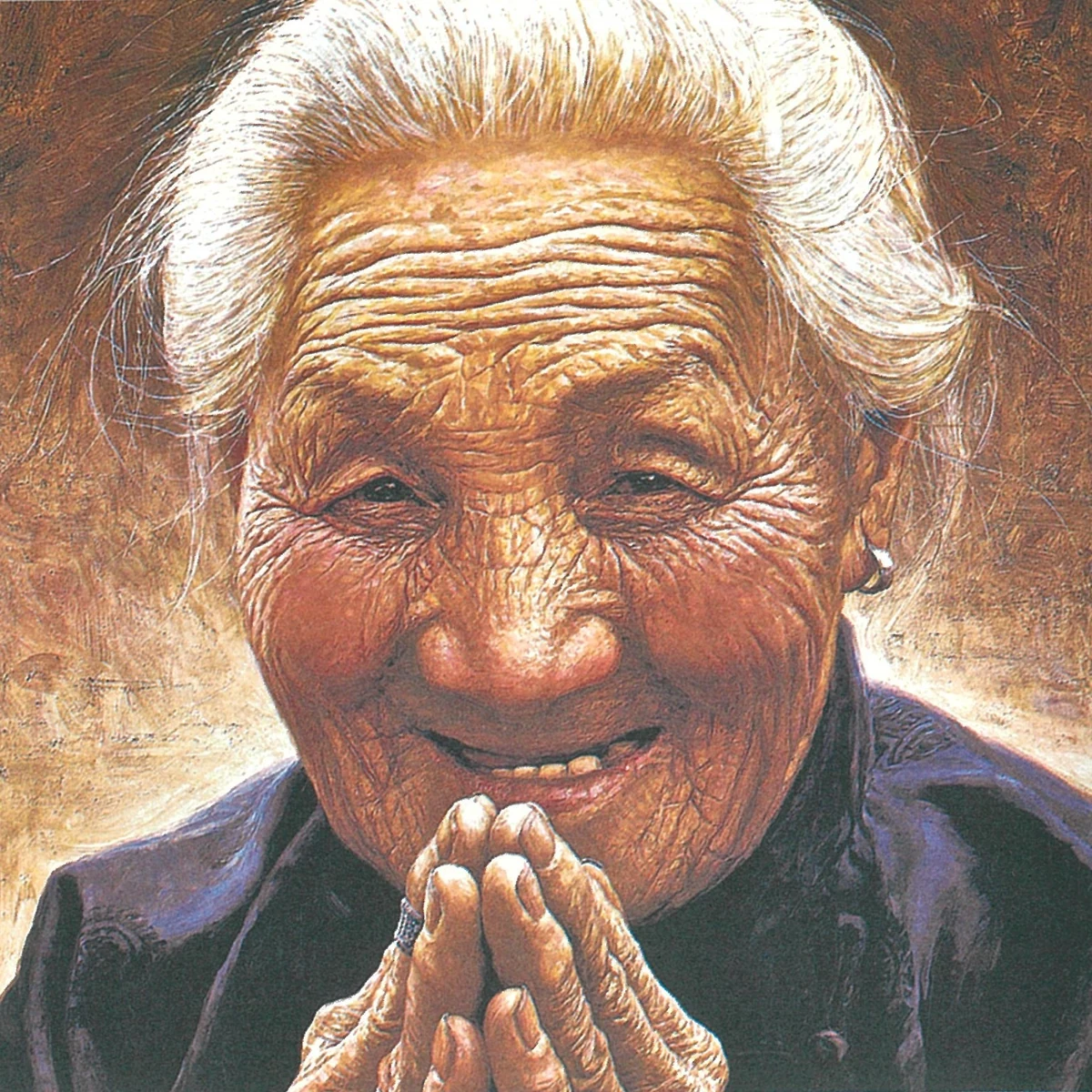
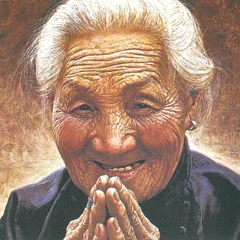
Venerable Master Hsing Yun remembered his maternal grandmother, Madam Liu Wang, as the person he respected most and as his lifelong model. Although she had never attended school and did not have a name, she was virtuous, diligent, honest, kind, helpful, and unwilling to gossip. Her example embodied the traditional virtues he cherished and became his warmest childhood memory. Several times each month, she attended devotees' gatherings at nunneries known as Offering Services. She deeply respected monastics and repeatedly taught him that the Triple Gem was most important, possessed boundless merit, and deserved respect. He sometimes accompanied her to Dharma services.

By four or five, he could recite the Heart Sutra and understood the importance of vegetarianism. From her he learned diligence, uprightness, courage, and generosity without being calculative. Though not the eldest son, his sensible and well-behaved character led his family to respect his opinions. His grandmother's sayings about recognizing future character in childhood, including the image of the Li family's little plum turning red, both praised and encouraged him to keep advancing.

1931

A strong sense of compassion from an early age

From childhood, Venerable Master Hsing Yun loved animals and valued their lives as his own. He recalled caring for two puppies and objecting inwardly to the unequal treatment by which people ate three meals daily while dogs received only one, or sometimes none. Even amid war and famine, he secretly fed cats and dogs. When adults scolded him because people themselves lacked food, he considered feeding the animals more important than the criticism. His compassion extended to smaller creatures: when ants were trapped in a roadside puddle, he built a bridge so they could cross, and he carefully raised tiny insects before releasing them.

He also enjoyed keeping chicks, ducklings, and especially pigeons. His attachment to the pigeons was intense. When one flew away and failed to return, he became so distressed that he lost his appetite and jumped into a river. Because he could swim well, he floated up on the opposite side, climbed ashore, and walked home in frustration. These incidents show the unusually strong concern for animals that guided his behavior from an early age.

1932

The chick with a broken beak

On his first day at private school, Venerable Master Hsing Yun learned the character "人," meaning person or human. It profoundly shaped his life, and he came to regard learning how to be human as life's most important subject. Students memorized works including the Three Character Classic, Hundred Family Surnames, and Thousand Character Classic. War repeatedly disrupted classes and teachers, textbooks were incomplete, and no adult helped him review, so memorization was difficult.

After fearing a recitation of material the teacher had not taught, he devised a sleep memorization method: before sleeping, he silently recalled his studies, then reviewed those thoughts again before rising. He said the method never failed. His education also developed at home. Because his mother was often ill, he read Yangzhou seven-character verse stories beside her bed, and she corrected his mispronounced characters. Although she was illiterate, he learned many characters from her and became interested in reading. The stories also deepened his understanding of loyalty, filial piety, integrity, and righteousness, joining literacy with the moral lesson first suggested by the character "人."

1933

Attending a private school: Learning to "be human" and learning to "read"

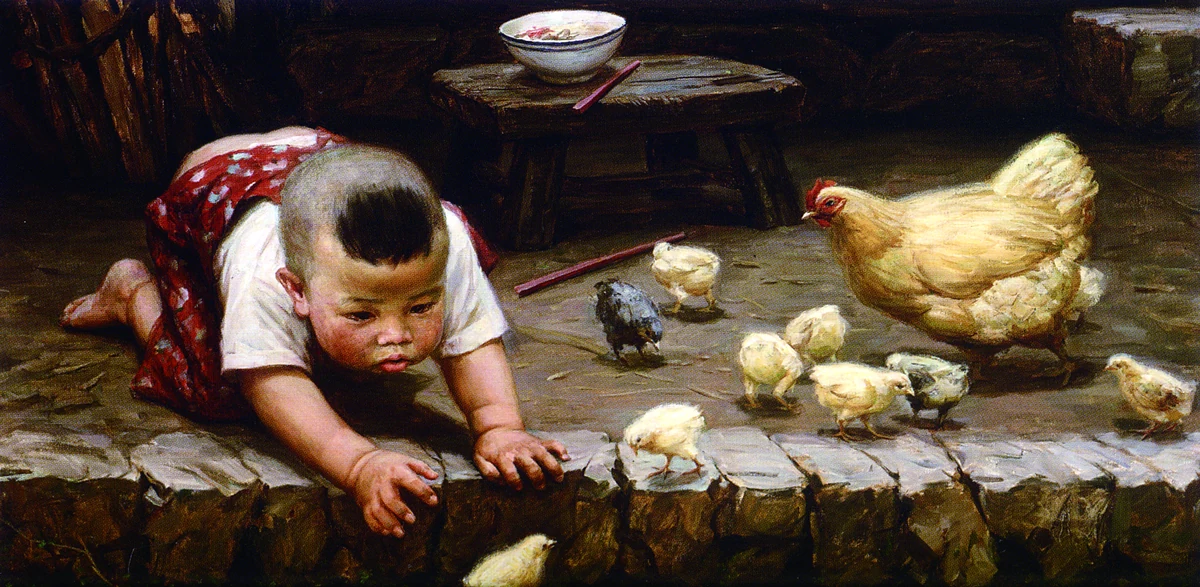
Encouraged by his grandmother, Venerable Master Hsing Yun cared for small animals. At about six or seven, he bought one black chick and one white chick. After the white chick became soaked in rain, he placed it near the stove to dry. Still very young and frightened, it suddenly ran into the blazing fire.

Without regard for the flames, he reached in and rescued it, burning himself in the process. The chick's feet were burned, and only the upper portion of its beak remained, though its eyes were unharmed. The burns left his right fingernails unable to grow properly and marked by flattened scars. He expected the chick to die because half its beak was gone and it could not eat, but he refused to abandon it.

Each day he filled a teacup with millet and patiently fed it one bite at a time. Though disabled and weaker than other chickens, it survived under his devoted care, matured, and eventually laid eggs as small as sparrow eggs. Proud that a fading life had revived, he became even more attentive in caring for small animals.

1934

Falling through the ice: A miraculous survival

When Venerable Master Hsing Yun was eight, near the end of winter and before the new year, his older brother Li Guohua returned home and said the river had frozen completely and that he had walked across it. Curious, Venerable Master decided to try walking on the ice himself. He went alone and happily made his way along the frozen river. In the distance, he noticed something that appeared to be a duck egg. Believing a duck had laid an egg on the ice without anyone finding it, he went to retrieve it. Suddenly, with a thunderous crash, the entire ice sheet broke, dropping him into an icy hole. No one was nearby to help, and he could not later remember how long he struggled in the freezing water.

His next clear memory was of knocking at his home's door with his clothes covered in pieces of ice. When Li Guohua opened the door and saw him, he was stunned. The family could not understand how he had survived the ordeal. Looking back, Venerable Master likewise found his survival incredible and could offer no explanation for it.

1935

Helping with household chores

Diligent by nature, Venerable Master Hsing Yun willingly helped with household work from childhood, taking the initiative to sweep, wash dishes, and wipe tables. At eight or nine, after observing his parents' struggle with everyday expenses, he began looking for ways to earn money for the family.

At dawn each morning, he collected dog droppings from the road and accumulated them for several days before selling them as fertilizer for a few copper coins. In the afternoons, he gathered cow dung. Following adults' methods, he chopped straw, mixed it with cow dung and water, spread the mixture on a wall to dry, and sold the finished dung cakes as fuel for a few cents each. He once felt ashamed of these tasks and avoided telling others about them.

Later, as awareness of environmental concerns increased, he recognized that his childhood work had served two purposes: it reduced his family's financial burden and also amounted to an environmental practice by putting waste to use. The experience strengthened his belief that any contribution to the public good is meaningful.

1936

Teaching my younger brother to read

Due to poverty and the unstable times, it was difficult to have a proper learning environment or make progress in studies. At that time in the countryside, Venerable Master Hsing Yun could only listen to the elderly tell stories like Investiture of the Gods, The Seven Heroes and Five Gallants, Water Margin, and other folk tales.

Occasionally, they would also discuss texts like Tales from the Children's Knowledge Treasury, as well as the Analects, Mencius, The Great Learning, and Doctrine of the Mean, but Venerable Master did not fully comprehend them.

However, during this period, in order to help his younger brother Li Guomin learn to read, Venerable Master studied the Hundred Family Surnames and the Three Character Classic with his brother, which greatly aided Venerable Master's own learning.